

 Overcast
  Sunny
Sunny  Partly Cloudy
  Cloudy
 This post may contain affiliate links. If you purchase through them, I may earn a small commission at no extra cost to you. Thanks for supporting our small business.
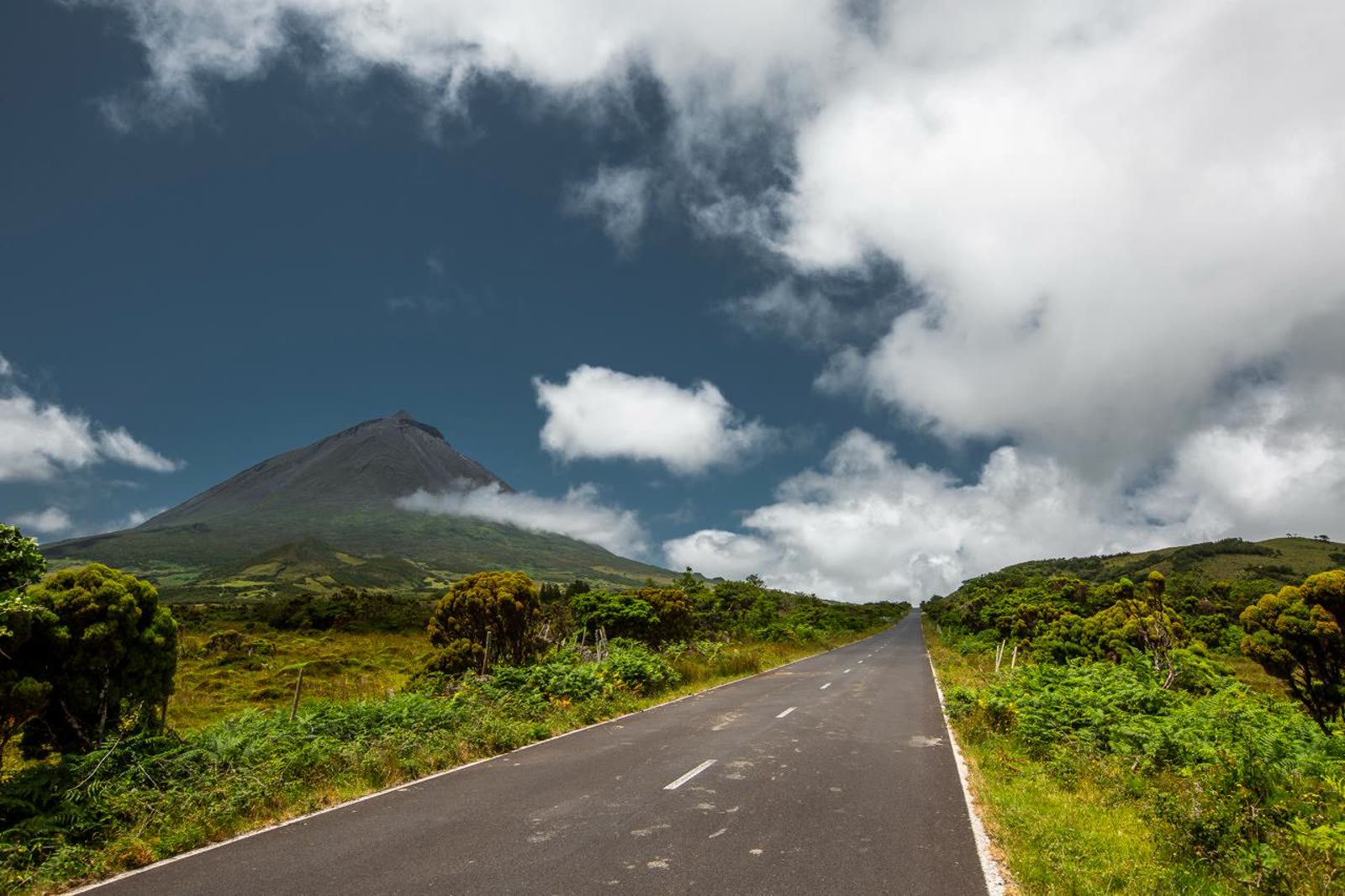
Pico is the second-largest island in the Azores at 447 km² and takes its name from Ponta do Pico, Portugal’s highest mountain at 2,351 metres (7,713 ft). Known as the “Mountain Island,” Pico was the historic centre of Azorean whaling and today draws hikers, whale watchers, and wine lovers to its UNESCO-listed vineyard landscapes. About 14,000 people live across three main municipalities: Madalena (the ferry gateway), São Roque, and Lajes do Pico. The climate is subtropical maritime with temperatures from 14°C (57°F) in winter to 26°C (79°F) in summer, though conditions on the mountain differ dramatically from the coast, with summit temperatures often 10°C lower and snow possible above 1,500m in winter.
Weather at a Glance
Coastal Pico enjoys the typical Azorean oceanic climate: mild year-round, humid, with rain possible in any month. Summer brings daytime highs of 24°C to 26°C (75°F to 79°F) from July through September, with August being the warmest and driest month (40mm rain). Winters see highs of 16°C to 17°C (61°F to 63°F) and 120-150mm of monthly rain from December to February. Sea temperatures range from 16°C (61°F) in March to 23°C (73°F) in August. The mountain creates its own weather: clouds frequently cap the summit even on sunny coastal days, and the best climbing window is mid-May through September when the trail is clear of snow and the summit views are unobstructed. Whale watching operates year-round, but sperm whale sightings peak from April to October.
Seasonal Snapshot
- Spring (March to May): Shoulder season with mild temperatures of 17°C to 21°C (63°F to 70°F), moderate rain, and fewer tourists. Baleen whales migrate through in April and May, making this the best time for whale watching. Vineyards come alive with new growth. The mountain climbing route typically opens by mid-May.
- Summer (June to September): Peak season for climbing Pico Mountain, with the most reliable summit weather and daylight until 9pm. Whale-watching boats run multiple daily departures from Madalena and Lajes. The Cais de Agosto festival in Madalena (August) brings concerts and food stalls to the harbourfront. Book accommodation and mountain guides 2-3 months ahead for July and August.
- Autumn (October to November): October is the last reliable climbing month with temperatures still at 21°C to 23°C (70°F to 73°F). November brings heavier rain (120mm) and the mountain trail becomes treacherous. Grape harvest (vindima) runs from late August through September: a great time to visit the adegas (wine cellars) and taste verdelho wines.
- Winter (December to February): The wettest season with 130-160mm of rain per month. Coastal temperatures stay mild at 16°C to 17°C (61°F to 63°F), but the mountain is off-limits to all but experienced winter mountaineers. Whale watching continues, and hotel rates drop 30-40% from summer peaks. The adegas in the lava-rock vineyards welcome visitors with fireside wine tastings.
Quick Facts
- Warmest month: August (average high 26°C / 79°F)
- Coolest month: February (average high 16°C / 61°F)
- Wettest month: December (160mm / 6.3 inches)
- Driest month: July (40mm / 1.6 inches)
- Best months for climbing Pico: June to September
- Whale watching peak: April to June (baleen whales), July to October (sperm whales)
- Sea temperature warmest: August (23°C / 73°F)
- Summit temperature (August): ~10°C / 50°F (bring layers)
Explore Pico
- Pico Weather by Month , Month-by-month climate data including coastal vs summit conditions, sea temperatures, rainfall, and wind patterns. Essential reading for planning a mountain climb.
- Best Time to Visit Pico , When to climb the mountain, the best whale-watching months, grape harvest season, and how to avoid crowds while getting reliable weather.
- Things to Do in Pico , Climbing Ponta do Pico, whale watching from Lajes, exploring the Gruta das Torres lava tube, visiting UNESCO vineyard adegas, and swimming in natural rock pools at São Roque.
- Where to Stay in Pico , Accommodation in Madalena, São Roque, and Lajes do Pico. From the Aldeia da Fonte eco-resort to simple vineyard cottages and the historic whale-watching lodges of Lajes.
- Pico Travel Tips & FAQ , How to book a mountain guide, ferry connections to Faial and São Jorge, Pico Airport (PIX) transfers, tap water safety, and what gear to bring for the climb.
- Pico Events & Festivals , Cais de Agosto (Madalena, August), Semana dos Baleeiros (Lajes, August), Festa do Divino Espírito Santo (spring), and verdelho wine harvest celebrations.
- Getting Around Pico , Car rental at Pico Airport, bus connections along the coastal road, taxi fares, and cycling the island’s quiet roads between vineyards and lava fields.
Suggested Hotels in Pico
Aldeia da Fonte
Boutique eco-resort built from volcanic stone on a clifftop near Lajes do Pico, with six rooms and suites overlooking the Atlantic. Whale-watching boats depart from the nearby harbour, and the restaurant uses organic island produce. Best for couples seeking a sustainable, romantic base for whale watching and hiking.
Hotel Caravelas
Modern four-star hotel on the Madalena waterfront, a 2-minute walk from the ferry terminal to Faial. Rooms face either Pico Mountain or the channel, and the rooftop pool has panoramic views. Best for travellers using Madalena as a base for inter-island ferry hopping and mountain access.
Pocinho Bay Hotel
Mid-range waterfront hotel in São Roque with direct access to the natural swimming pools. Simple, clean rooms with sea-view balconies, plus a restaurant famous for its limpets (lapas) and local fish. Best for families and swimmers wanting pool-and-ocean access without the Madalena prices.
