

 Sunny
 Smoky haze
 Light rain
This post may contain affiliate links. If you purchase through them, I may earn a small commission at no extra cost to you. Thanks for supporting our small business.
Datong, in northern Shanxi province, is a former Ming garrison capital best known for the UNESCO-listed Yungang Grottoes and the cliff-hanging Xuankong Temple. The city sits at about 1,000 metres on the Loess Plateau, which gives it a semi-arid continental climate: cold, dry winters and warm, wetter summers, with about 400mm of rain a year. Plan your trip with the guides below.
Welcome to Datong
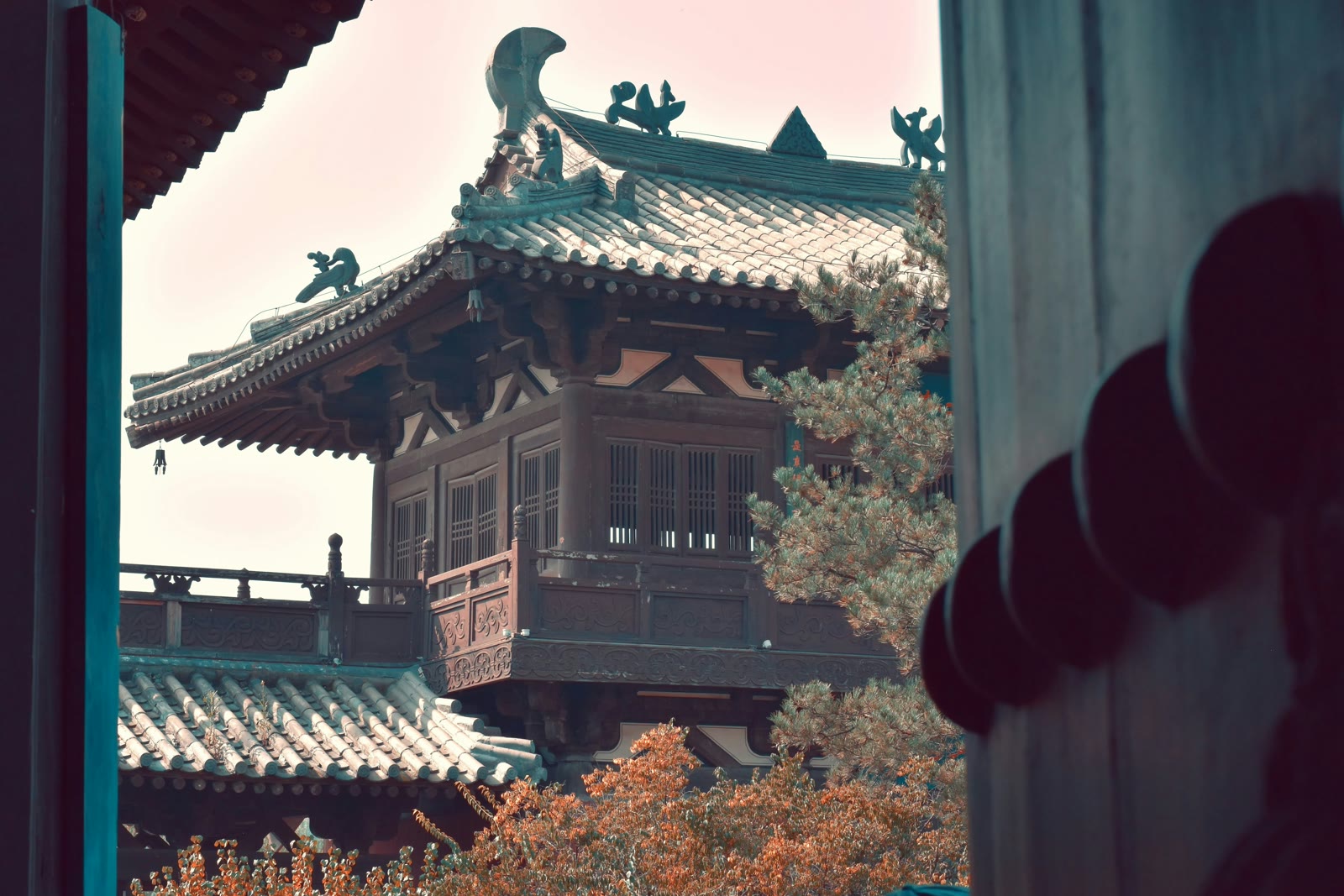
Datong rewards visitors who come for the history. The Yungang Grottoes, 16km west of the centre, hold about 51,000 Buddhist statues carved between 460 and 525 AD, while the Hanging Temple, 65km southeast, clings to a cliff face on wooden beams. Inside the rebuilt Ming walls, Huayan and Shanhua monasteries house some of the oldest wooden Buddhist halls in northern China. The city is a working coal town as well as a tourist stop, so expect a mix of heavy industry and restored heritage districts.
Weather at a Glance
January is the coldest month, averaging a high of -2°C and a low of -17°C, while July is the warmest and wettest at 29°C with 100mm of rain. Roughly 70 percent of the annual 400mm falls between June and August. Sunshine runs around 2,600 hours a year, and the air is dry in every season. Day-to-night swings of 10 to 15°C are normal, so layers matter year-round. The month-by-month table with rainfall and sunshine is in the weather by month guide below.
Seasonal Snapshot
- Spring (March to May): warms from 10°C to 24°C, dry with occasional Gobi dust storms in April and May.
- Summer (June to August): 27 to 29°C with afternoon thunderstorms, the wettest and busiest season.
- Autumn (September to November): clear, dry and mild, the best season for photography and sightseeing.
- Winter (December to February): below freezing by day, below -15°C at night, with coal-season haze.
Datong Guides
- Datong Weather by Month: temperatures, rainfall and sunshine for every month.
- Best Time to Visit Datong: the best months for weather, prices and crowds.
- Things to Do in Datong: the grottoes, Hanging Temple and day trips, with prices and hours.
- Datong Events and Festivals: the annual calendar, from New Year fairs to the balloon festival.
- Best Neighborhoods in Datong: where each district sits and who it suits.
- Where to Stay in Datong: recommended areas and hotels from luxury to budget.
- Datong Travel Tips and FAQ: transport, visa, safety and money essentials.
Location Context
Datong sits at the northern edge of Shanxi province, about 350km west of Beijing and 280km north of Taiyuan, on the old route between the North China Plain and the Mongolian steppe. Its 1,000-metre elevation and distance from the coast drive the dry, high-swing continental climate. The city is a gateway to the Hengshan range and the Yanmenguan Pass section of the Great Wall.
Quick Facts
- Best months to visit: May, June, September and October.
- Warmest month: July at 29°C high.
- Coldest month: January at -17°C low.
- Wettest month: July at 100mm.
- Annual rainfall: about 400mm.
- Sunshine: around 2,600 hours a year.
- Elevation: about 1,000 metres.
Where to Stay
Datong’s hotels cluster inside the old city and in Pingcheng district, with a second, cheaper band around Datong South Railway Station. Three solid picks are below.
Suggested Hotels in Datong
Yungang Jianguo Hotel
A five-star tower in the city centre with a fitness centre, sauna and spa, rated 9.2 by guests. Best for travellers who want five-star comfort with free private parking. Check rates and availability
Datong Hotel
A long-established central hotel with an indoor pool, sauna and an on-site restaurant and bar. Best for first-time visitors who want a reliable mid-range base. Check rates and availability
GreenTree Inn Datong West Xiangyang Street Express
A budget chain hotel offering air-conditioned rooms with free WiFi in a central location. Best for backpackers and budget travellers who just need a clean bed. Check rates and availability
