

 Overcast
 Light drizzle
 Sunny
 Cloudy
This post may contain affiliate links. If you purchase through them, I may earn a small commission at no extra cost to you. Thanks for supporting our small business.
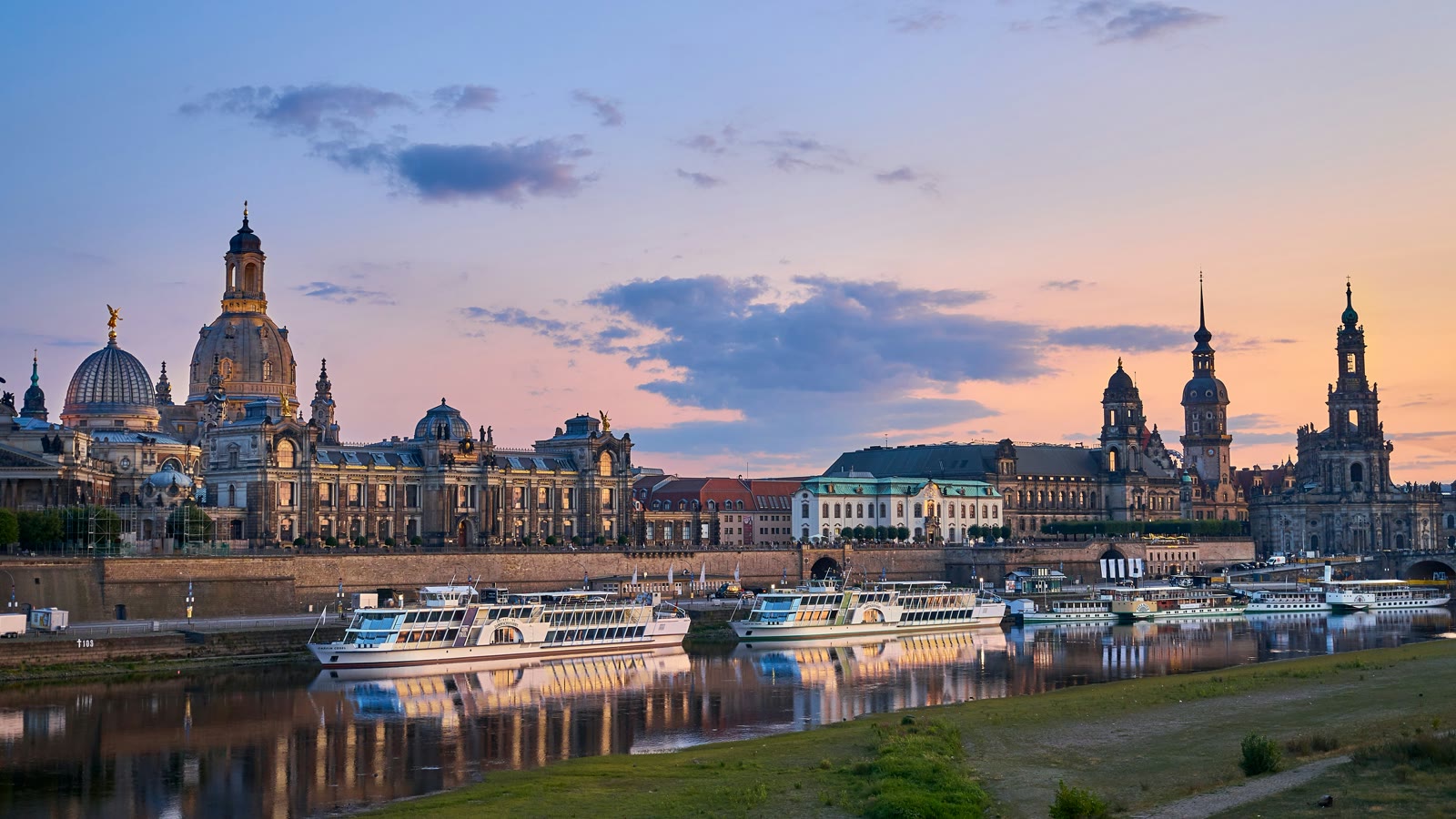
Dresden sits on the Elbe River in eastern Germany, the capital of Saxony and one of Europe’s great cultural comeback stories. The city was firebombed in February 1945 and spent the next 60 years meticulously rebuilding its Baroque Altstadt from rubble , the Frauenkirche alone took 11 years and 180 million EUR to reconstruct using original blackened stones alongside new pale sandstone. The result is a city that looks 18th-century but feels distinctly 21st-century, with a creative Neustadt district across the river that channels Berlin’s energy into its own Saxon version of café culture, street art, and independent shops. Dresden has 555,000 residents, draws 4.5 million overnight visitors annually, and combines one of the world’s densest museum clusters (the Zwinger, Green Vault, and Albertinum are within 500 metres of each other) with easy access to the bastei rock formations of Saxon Switzerland National Park 40km upstream.
Dresden Weather at a Glance
Dresden has a transitional climate between oceanic western Germany and continental eastern Europe. Summers are warm with July and August averaging 24°C (75°F) highs and 14°C (57°F) lows, with the most rainfall of the year (73-82mm per month). Winters are cold by German standards: January averages 3°C (37°F) highs and -2°C (28°F) lows, with 6-8 snow days per month and only 46-52 hours of sunshine for the entire month. Spring (April-May) and autumn (September-October) are the sweet spots , pleasant temperatures (14-19°C / 57-66°F), manageable rainfall (42-60mm), and far fewer tourists than summer or Christmas market season. The city receives 631mm of annual precipitation spread across roughly 145 rainy days, making it drier than Munich (967mm) or Cologne (798mm). The Elbe Valley effect gives Dresden slightly milder temperatures than the surrounding Saxon hills, particularly noticeable in winter when the river keeps the inner city 1-2 degrees warmer than the airport weather station 9km north.
Dresden Seasonal Snapshot
- Spring (March to May): The Grosser Garten park bursts into cherry blossom in mid-April, outdoor café tables appear by late March, and the Dresden Music Festival in late May fills the Frauenkirche and Zwinger with classical performances. Temperatures climb from 9°C (48°F) in March to 19°C (66°F) in May. Rainfall is moderate (42-60mm/month). The Easter weekend sees a spike in domestic tourists , book accommodation at least 4 weeks ahead.
- Summer (June to August): Peak tourist season with warm temperatures (22-24°C / 72-75°F highs) and long daylight (sunset around 9:20pm in June). The Elbe meadows fill with sunbathers and barbecues, the Filmnächte open-air cinema screens nightly on the riverbank, and the Canaletto Festival and Stadtfest pack the third weekend of August. This is also the wettest period (66-82mm/month) with frequent afternoon thunderstorms. Hotel rates are 20-30% above shoulder season.
- Autumn (September to November): September is the best-kept secret , 19°C (66°F) highs, 157 sunshine hours, and rainfall dropping to 50mm. The wine harvest in the Elbe valley vineyards and the Autumn Market on the Altmarkt make this a strong alternative to May. October cools to 14°C (57°F) with excellent foliage in the Grosser Garten. November turns grey and cold (7°C / 45°F) with only 58 sunshine hours , the Striezelmarkt at the end of the month is the reason to visit in November.
- Winter (December to February): Defined by the Striezelmarkt Christmas market (late November to December 23), Germany’s oldest at over 580 years. December temperatures hover around freezing (4°C / 39°F highs, -1°C / 30°F lows) with snow possible but unreliable. January and February are cold, grey, and quiet , the Dixieland jazz festival in mid-January is the one winter highlight outside December. Hotel rates in January-February can be 50% below Christmas market pricing.
Plan Your Dresden Trip
Our detailed Dresden guides cover everything from monthly weather data to neighbourhood-by-neighbourhood hotel recommendations. Each guide opens in a new tab and covers a specific aspect of planning your visit.
Dresden Quick Facts
- Population: 555,000 (city), 1.3 million (metropolitan area)
- Elevation: 113 metres (371 feet) above sea level
- Best weather months: May and September (warm, sunny, moderate rain, manageable crowds)
- Warmest month: July (24°C / 75°F average high)
- Coldest month: January (3°C / 37°F average high, -2°C / 28°F low)
- Wettest month: July (82mm rainfall, 13 rain days)
- Driest month: February (33mm rainfall)
- Sunniest month: July (222 hours of sunshine)
- Annual sunshine: Approximately 1,662 hours
- Annual rainfall: 631mm across 145 precipitation days
- Museum cluster: 8 major museums within 500 metres of the Zwinger courtyard
- UNESCO World Heritage: Dresden Elbe Valley (delisted 2009, but the cultural sites remain the same)
- Best day trips: Saxon Switzerland National Park (40km), Meissen (25km), Moritzburg Castle (15km)
Suggested Hotels in Dresden
Three hotels across price tiers, all in the Altstadt within 500 metres of the Frauenkirche. For a detailed breakdown by neighbourhood including the creative Neustadt and villa suburbs, see the Where to Stay guide.
Hotel Taschenbergpalais Kempinski
Dresden’s flagship five-star hotel in a reconstructed Baroque palace on Taschenberg, directly across from the Zwinger courtyard. The three-storey lobby atrium, 18-metre indoor pool, and Palais Bistro breakfast spread (with fresh Saxon Stollen in winter) make this the city’s definitive luxury stay. Best for a special-occasion trip with every major Altstadt sight within a 3-minute walk. Check rates and availability
Steigenberger Hotel de Saxe
Four-star hotel straddling the Altstadt and Neustadt on Neumarkt square, with the Frauenkirche 100 metres south and the Neustadt bar district 5 minutes north across the Augustus Bridge. The rooftop terrace bar (open May to September) has unobstructed Frauenkirche dome views. Best for travellers who want equal access to the historic centre and the creative quarter. Check rates and availability
Motel One Dresden am Zwinger
Germany’s best budget design chain, 200 metres from the Zwinger courtyard entrance on Postplatz. The 16-square-metre rooms pack in a high-quality bed, rainfall shower, and air conditioning , everything you need, nothing you don’t. Breakfast is 14.50 EUR at the turquoise-and-brown lobby bar. Best for travellers who want Altstadt proximity at a price that leaves budget for the Green Vault and the Semperoper. Check rates and availability
Where Is Dresden and What Influences Its Weather
Dresden lies at 51°N latitude in the Elbe River valley in the German state of Saxony, roughly 190km south of Berlin and 150km northwest of Prague. The city is sandwiched between the Ore Mountains (Erzgebirge) to the south, which form the Czech border and block some Mediterranean moisture, and the North German Plain to the north, which channels cold continental air masses from Russia and Poland in winter. The Elbe River runs northwest through the city, creating a microclimate in the valley floor that is typically 1-2°C warmer than the surrounding plateaus , the Dresden-Klotzsche airport weather station at 227m elevation consistently records lower temperatures than the city centre at 113m. Dresden’s climate classification sits at the transition between oceanic (Cfb) and humid continental (Dfb), meaning you get four distinct seasons with a summer rainfall maximum (thunderstorm-driven) rather than the year-round drizzle pattern of Hamburg or Cologne farther west.
