


 Patchy rain nearby
  Light drizzle
  Mist
Mist  Overcast
 Sendai is the largest city in Japan’s Tohoku region with 1.1 million residents, sitting in a coastal basin backed by the Ou Mountains at 50 meters (164 feet) elevation. Founded in 1600 by the samurai lord Date Masamune, the city is known as the “City of Trees” for its wide, zelkova-lined avenues and generous green spaces. Sendai’s climate is a humid subtropical-continental hybrid: summers are warm and humid with temperatures reaching 28 C (82 F), winters bring steady snowfall averaging 30 cm monthly, and spring and autumn deliver the most comfortable window for visitors with temperatures in the 15 to 20 C (59 to 68 F) range. The city’s food identity revolves around gyutan (charcoal-grilled beef tongue), a dish invented here in 1948 that has become synonymous with Sendai dining.
Welcome to Sendai
Sendai operates at a different pace from Tokyo, the streets are wider, the crowds thinner, and prices about 20 to 30% lower for hotels and meals. The city’s grid layout, designed in the early 1600s, makes navigation straightforward. The JR Sendai Station is the transport nucleus, connecting to Tokyo in 90 minutes via the Tohoku Shinkansen and serving as the gateway to the entire Tohoku region. Sendai works as both a standalone destination (2 to 3 days of attractions and food) and a base for exploring Matsushima Bay, Yamadera Temple, and Zao’s hot springs and ski slopes. Before planning your trip, check our detailed Sendai weather by month guide for month-by-month temperature and rainfall data.
Sendai Weather at a Glance
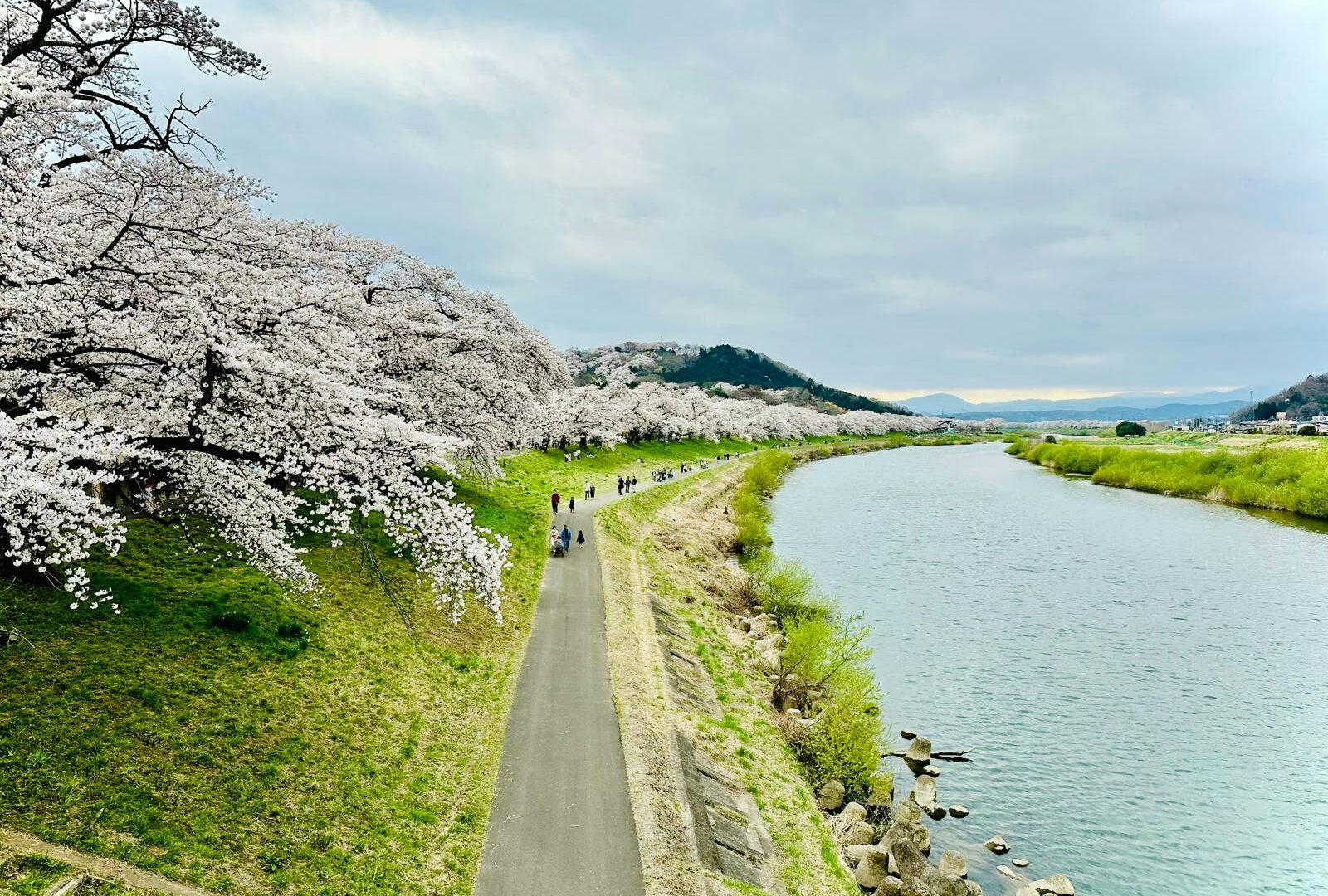
Sendai’s climate is defined by four distinct seasons with a Pacific coastal influence that moderates temperature extremes. Winter (December to February) brings temperatures of -2 C to 6 C (28 to 43 F) with 25 to 30 cm of monthly snowfall at city level, enough for a winter atmosphere without the deep accumulations of Hokkaido. Spring (March to May) warms from 10 C to 20 C (50 to 68 F) with cherry blossoms peaking around April 5 to 15, roughly two weeks after Tokyo. Summer (June to August) is the most challenging season with 80%+ humidity and highs of 28 C (82 F), compounded by the tsuyu rainy season through mid-July. Autumn (September to November) brings the most comfortable weather with temperatures dropping from 24 C to 13 C (75 to 55 F) and spectacular mountain foliage in late October. Average annual rainfall is 1,250 mm (49 inches) spread across 219 rain days, peaking in September (198 mm) and hitting a low in December (34 mm). For specific date ranges, read our best time to visit Sendai guide.
Sendai Seasonal Snapshot
- Winter (December to February): 25 to 30 cm monthly snowfall, -2 C to 6 C. Sendai Pageant of Starlight illuminates Jozenji-dori with 600,000 lights. Donto-sai fire festival January 14. Lowest hotel rates (30 to 50% below summer). Zao Snow Monsters peak in February, 90 minutes away. Strawberry picking season starts.
- Spring (March to May): Cherry blossoms April 5 to 15 at Tsutsujigaoka Park and Nishi Park. Temperatures climb from 10 C to 20 C. May is the most comfortable month with low humidity and fresh greenery. Aoba Festival third weekend of May with 1,200-person period costume parade. Book hotels 1 to 2 months ahead for cherry blossom week.
- Summer (June to August): Rainy season through mid-July (160 mm in June). Tanabata Festival August 6 to 8 draws 2 million visitors with 3,000 paper streamers. Fireworks on August 5 with 16,000 shells. Highs of 28 C with 80%+ humidity. Book Tanabata hotels by April. Matsushima Bay cruises and Akiu Onsen day trips offer escape from city heat.
- Autumn (September to November): Jozenji Street Jazz Festival in mid-September. October delivers ideal sightseeing weather (19 C, 71% humidity, low rain). Mountain foliage peaks late October to early November at Akiu and Sakunami. November is the driest month with low hotel rates. Michinoku Yosakoi dance festival second weekend of October. November 1 to 3 Autumn Festival at Osaki Hachiman Shrine with horse archery.
Sendai Location and Geography
Sendai occupies a coastal plain at 38 degrees 16 minutes N latitude (similar to Washington DC or Athens) on the Pacific coast of northeastern Honshu. The city center sits at 50 meters elevation in a basin formed by the Ou Mountains to the west and the Pacific Ocean to the east. The Hirose River flows north-south through the city center, splitting the urban grid into east and west zones. JR Sendai Station sits on the eastern side; the older historical areas and shopping districts lie west of the river. The city’s layout follows a logical grid designed in 1601. Mount Aoba (130 m) at the city’s western edge offers panoramic views and the castle ruins. Matsushima Bay, one of Japan’s Three Great Views, is 25 km northeast. Sendai Airport (SDJ) is 14 km southeast on the coastal plain. For exploring the city’s districts, see our Sendai neighborhoods guide.
Sendai Quick Facts
| Metric | Value |
|---|---|
| Best months to visit | May and October |
| Warmest month | August: 28.2 C (82.8 F) average high |
| Coldest month | January: -1.7 C (28.9 F) average low |
| Wettest month | September: 198 mm (7.8 in) |
| Driest month | November: 66 mm (2.6 in) |
| Annual rainfall | 1,250 mm (49 in) |
| Sea temperature range | 10 C (50 F) in Feb to 24 C (75 F) in Aug |
| Sunniest month | May: 6.8 hours/day |
| Cloudiest month | December: 4.3 hours/day |
| Cherry blossom peak | April 5 to 15 |
| Autumn foliage peak | Late October to early November |
| Tanabata Festival | August 6 to 8 (book hotels by April) |
| Snowiest months | January: 30 cm (12 in) monthly |
Sendai Travel Guide
- Sendai Weather by Month: Plan around the seasons with a month-by-month breakdown of temperatures, rainfall, snowfall, and sunshine hours including a comparison table. Read the full weather guide
- Best Time to Visit Sendai: Identify the best weeks for cherry blossoms, festivals, autumn foliage, and winter illuminations, plus which months to avoid for rain and humidity. See the best time to visit
- Things to Do in Sendai: Discover Zuihoden Mausoleum, Aoba Castle, Matsushima Bay, Osaki Hachiman Shrine, and the city’s gyutan and zunda food culture. Explore things to do
- Sendai Events and Festivals: Plan around Tanabata in August, the Jozenji Jazz Festival in September, the Pageant of Starlight in December, and the Aoba Festival in May. Browse events and festivals
- Sendai Neighborhoods: Compare the station area, Ichibancho shopping district, Jozenji-dori cultural corridor, Kokubuncho nightlife, and suburban Izumi. Read the neighborhoods guide
- Where to Stay in Sendai: Find the best hotels near JR Sendai Station, in the shopping arcades, and at Akiu Onsen and Sakunami Onsen ryokan outside the city. Find where to stay
- Sendai Travel Tips and FAQ: Navigate Sendai Airport, Shinkansen connections, subway passes, tipping culture, safety, WiFi, and the best day trips. Get travel tips and FAQs
Suggested Hotels in Sendai
The Westin Sendai
Sendai’s premier luxury hotel occupies floors 28 to 36 of the city’s tallest skyscraper, offering floor-to-ceiling Pacific Ocean views, a full-service Flow Spa, and two restaurants including a teppanyaki counter. Best for couples and travelers seeking a landmark stay with generous 37-square-meter rooms. Check rates and availability
Dormy Inn Sendai Annex
A well-reviewed mid-range hotel a 6-minute walk from JR Sendai Station West Exit, featuring a natural hot spring bath on the top floor and complimentary late-night ramen (21:30 to 23:00). Best for solo travelers and couples who value the onsen experience and a central location without the luxury price tag. Check rates and availability
APA Hotel Sendai Eki Itsutsubashi
The best budget option within walking distance of the station, offering compact but efficiently designed rooms at rates typically under 9,000 yen/night, just 2 minutes from Itsutsubashi Subway Station. Best for solo travelers and budget-conscious visitors who prioritize location and value. Check rates and availability
City Articles
Best Time to Visit Sendai
Sendai works well as a year-round destination, but the best window for most travelers is May and October when temperatures sit in the 18 to 20 C (64 to 68 F) range, humidity is low, and rainfall is moderate. Cherry blossom season in early to mid-April brings the city’s most photogenic weeks, while the Tanabata […]
Read MoreSendai Events and Festivals
Sendai’s festival calendar revolves around Tanabata in August, one of Japan’s largest summer festivals, but the city maintains a steady rhythm of events throughout the year from winter illuminations to autumn jazz. Most events cluster in the city center along Jozenji-dori, Kotodai Park, and the Hirose River, all within walking distance of the subway Tozai […]
Read MoreSendai Neighborhoods Guide
Sendai’s neighborhoods radiate from JR Sendai Station in a logical grid pattern laid out by Date Masamune in 1601. The city splits naturally into the station area (transport hub and business district), the central shopping arcades (Ichibancho and Clis Road), the tree-lined Jozenji-dori cultural corridor, and quieter residential pockets to the north and west. Unlike […]
Read MoreSendai Travel Tips and FAQ
Sendai is one of Japan’s most straightforward cities to navigate, with a logical grid layout, efficient public transit, and English signage at all major stations and attractions. The city served as a model for urban planning in the Edo period and that grid-based design makes orientation intuitive. Here is everything you need to know for […]
Read MoreSendai Weather by Month
Sendai has a humid subtropical climate (Koppen Cfa) with warm, humid summers and cool, snowy winters, moderated by its position on the Pacific coast of northeastern Japan. The city sits at 50 meters (164 feet) above sea level in a basin surrounded by the Ou Mountains to the west and the Pacific Ocean to the […]
Read MoreThings to Do in Sendai
Sendai packs enough attractions for 2 to 3 full days of sightseeing, anchored by the mausoleum of Date Masamune, the one-eyed samurai lord who founded the city in 1600. The city’s wide tree-lined avenues, castle ruins with panoramic views, and food culture centered on gyutan (grilled beef tongue) give it a distinct identity separate from […]
Read MoreWhere to Stay in Sendai
Sendai offers Japan’s full hotel spectrum from international luxury brands in high-rise towers to compact business hotels and traditional ryokan in the surrounding hot spring towns. The JR Sendai Station area concentrates the most options and is the logical base for first-time visitors, but staying one or two subway stops away cuts rates by 30 […]
Read More