


 Sunny
Sunny  Cloudy
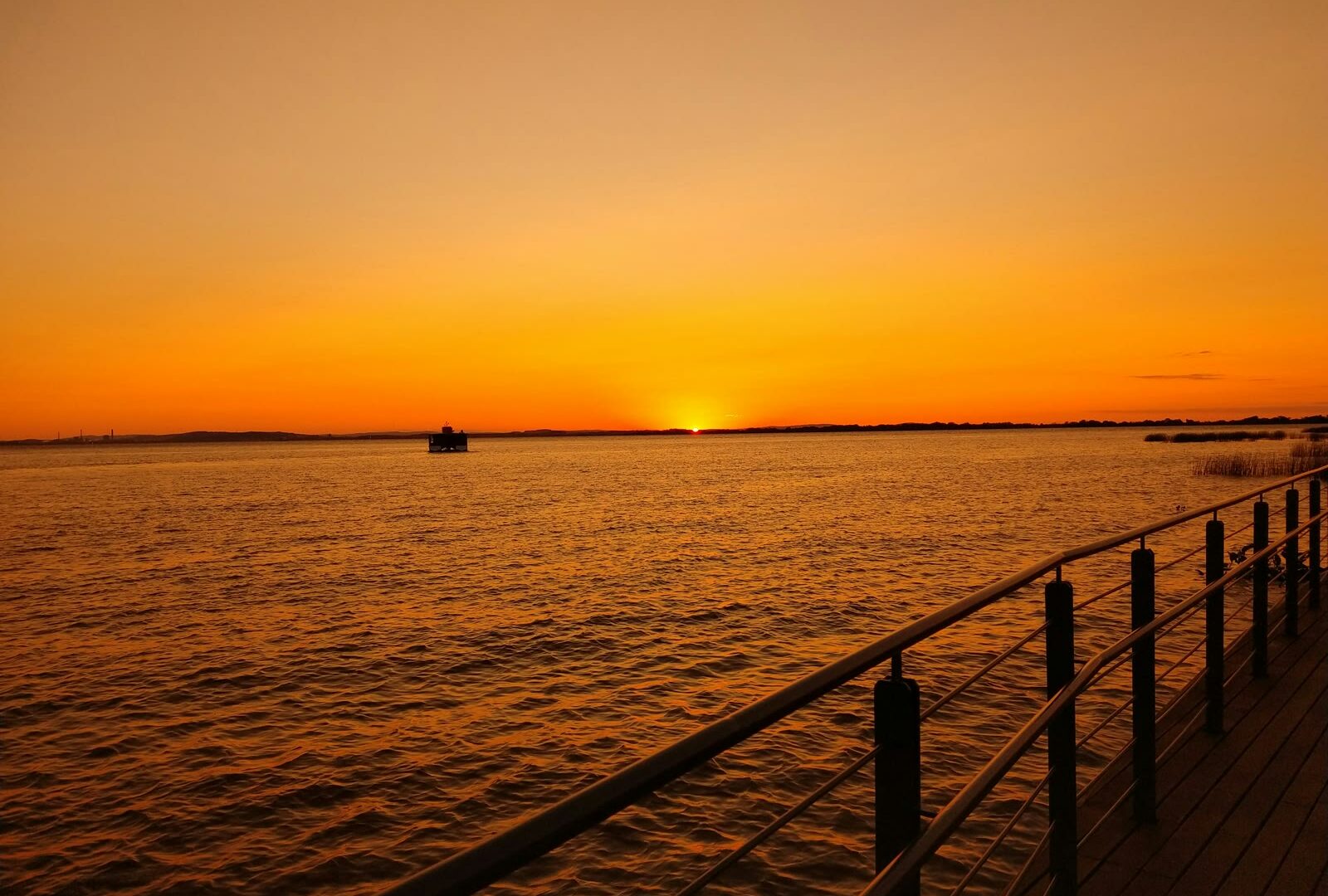
 Porto Alegre, the capital of Brazil’s southernmost state Rio Grande do Sul, sits at the confluence of five rivers where they empty into the enormous Lagoa dos Patos. The city’s humid subtropical climate (Köppen Cfa) delivers four genuine seasons , hot, sticky summers with afternoon thunderstorms, crisp autumns with purple jacaranda blooms, mild winters that can drop to 2°C (36°F) during cold fronts, and windy springs that turn the city’s parks lush green. Unlike Brazil’s tropical northeast, Porto Alegre gives you a climate closer to Buenos Aires or Montevideo, with annual rainfall of 1,300mm (51 inches) spread evenly across all 12 months. The pampero wind, a cold southwesterly that sweeps up from Patagonia, can knock 10°C off the temperature in minutes , locals call it the minuano and it is as much a part of the city’s character as churrasco and chimarrão.
Welcome to Porto Alegre
Founded in 1772 by Portuguese colonists from the Azores, Porto Alegre grew into a major port and commercial hub, today home to 1.5 million people in the city and 4.3 million in the metro area. The city’s distinct gaúcho identity , shaped by its position at the crossroads of Brazil, Argentina, and Uruguay , shows up everywhere: in the barbecue-first restaurant culture, the mate tea (chimarrão) carried by locals in leather-wrapped gourds, and the traditionalist music and dance of the CTGs (Centros de Tradições Gaúchas). Porto Alegre is not on the standard Brazil backpacker circuit, which is precisely its appeal. You get a real, functioning Brazilian capital with a strong food scene, excellent museums, sprawling parks, and a manageable scale , most attractions sit within a 20-minute radius of the Mercado Público.
Seasonal Snapshot
- Summer (December to February): Hot and humid, average highs 30°C (86°F), frequent afternoon thunderstorms. Parks and outdoor bars are busy. Hotel prices peak. The best time if you want long daylight hours (14 hours in December) and don’t mind the heat.
- Autumn (March to May): The sweet spot. Temperatures drop to 22°C to 29°C (72°F to 84°F), humidity falls below 70 percent, and jacaranda trees bloom purple. Hotel rates drop 15 to 25 percent from summer peaks. April is the single best month for comfortable sightseeing.
- Winter (June to August): Mild but damp. Daytime highs around 19°C (66°F), overnight lows as low as 2°C (36°F) during cold fronts. June is the wettest month (140mm). The pampero wind chill makes it feel colder than the numbers suggest. Hotel prices are at their lowest , you can get Hilton rooms for R$350 to R$450.
- Spring (September to November): Warming rapidly, windy, and occasionally stormy. The Semana Farroupilha in September is the city’s biggest cultural event. October is rainy (130mm) but the parks are at their greenest. By November, temperatures climb back to summer-like levels (28°C / 82°F).
Explore Porto Alegre
- Porto Alegre Weather by Month , Month-by-month breakdown of temperatures, rainfall, humidity, and sunshine hours with a detailed climate data table.
- Best Time to Visit Porto Alegre , When to visit for the best weather, lowest hotel prices, and can’t-miss events like Semana Farroupilha and the Book Fair.
- Things to Do in Porto Alegre , The 10 best attractions from the Mercado Público and Fundação Iberê Camargo to Parque Farroupilha, with hours, ticket prices, and transport tips.
- Porto Alegre Events and Festivals , Annual events calendar covering Carnival, Semana Farroupilha, the Porto Alegre Book Fair, and music festivals with dates and locations.
- Best Neighborhoods in Porto Alegre , A guide to Centro Histórico, Moinhos de Vento, Cidade Baixa, Bom Fim, Bela Vista, and Rio Branco with hotel price ranges and dining recommendations.
- Where to Stay in Porto Alegre , Recommended hotels by neighbourhood at luxury, mid-range, and budget price points with Booking.com links.
- Porto Alegre Travel Tips and FAQ , Airport transfers (POA), metro and Uber tips, safety advice, visa requirements, money and tipping, and Portuguese phrases you will actually use.
Quick Facts
- Best months for weather: April and October (22°C to 25°C / 72°F to 77°F, manageable humidity)
- Warmest month: January (average high 30°C / 86°F)
- Coldest month: July (average low 10°C / 50°F)
- Wettest month: June (140mm / 5.5 inches)
- Annual rainfall: 1,300mm (51 inches)
- Airport: Salgado Filho International (POA), 7 km from Centro
- Time zone: BRT (UTC-3), no daylight saving
- Language: Portuguese (English not widely spoken outside hotels)
- Currency: Brazilian Real (R$), roughly R$5 = US$1 (mid-2026)
Suggested Hotels in Porto Alegre
Hilton Porto Alegre, Brazil
The Hilton Porto Alegre connects directly to the Moinhos Shopping mall with a rooftop pool, fitness centre, and on-site restaurant. Best for couples and business travelers who want full-service luxury and direct mall access. Check rates and availability
DoubleTree by Hilton Porto Alegre
The DoubleTree features an outdoor pool, private parking, and a restaurant, located an 8-minute walk from the Praia do Ibere waterfront. Best for families and mid-range travelers wanting Hilton standards at a gentler price. Check rates and availability
ibis budget Porto Alegre
The ibis budget sits 700 metres from the Mercado Público with 24-hour reception and a business centre, offering the most affordable branded-hotel experience in central Porto Alegre. Best for solo travelers and backpackers who prioritize location and reliability over frills. Check rates and availability
City Articles
Best Neighborhoods in Porto Alegre
Porto Alegre’s neighbourhoods span from the historic downtown grid to tree-lined upscale districts with boutique shopping and a nightlife-heavy student quarter. The city is compact enough that you can explore three or four bairros in a single day on foot or by short Uber rides (most trips within the central area cost R$8 to R$15). […]
Read MoreBest Time to Visit Porto Alegre
Porto Alegre has two optimal visiting windows: autumn (March to May) and spring (September to November). These shoulder seasons give you daytime temperatures in the 22°C to 25°C (72°F to 77°F) range, manageable humidity below 70%, and fewer tourists than the peak summer months. You will also find hotel rates 15% to 25% lower than […]
Read MorePorto Alegre Events and Festivals
Porto Alegre’s event calendar is anchored by the largest gaúcho cultural celebration in Brazil — the Semana Farroupilha — plus a major international book fair, Carnival parades, and seasonal music festivals. Most events are concentrated in September through November, though there are worthwhile happenings scattered year-round. Plan your visit around one of these for a […]
Read MorePorto Alegre Travel Tips and FAQ
Porto Alegre is a manageable, mid-sized capital with good infrastructure for visitors. This guide covers the practical details: airport transfers, public transport, safety, money, and local customs that will save you time and stress. Read through before you land at Salgado Filho Airport (POA) so you hit the ground running. Porto Alegre Travel Tips: Arrival […]
Read MorePorto Alegre Weather by Month
Porto Alegre has a humid subtropical climate (Köppen Cfa) with four distinct seasons. Summers are hot and humid, winters are mild to cool, and rainfall is spread evenly throughout the year at around 1,300mm (51 inches) annually. The city sits at only 10 metres above sea level on the Guaíba River, which moderates temperatures slightly […]
Read MoreThings to Do in Porto Alegre
Porto Alegre packs a surprising amount of culture, green space, and gaúcho tradition into Brazil’s southernmost capital. The city rewards travelers who explore beyond the Centro Histórico — you will find a top-tier contemporary art museum, a restored power plant turned cultural hub, and one of Brazil’s best public parks, all connected by a manageable […]
Read MoreWhere to Stay in Porto Alegre
Porto Alegre’s accommodation ranges from international chain hotels in the upscale Moinhos de Vento district to budget-friendly options in Centro Histórico and hostels in the nightlife quarter of Cidade Baixa. The city is compact enough that your choice of neighbourhood shapes your experience more than your commute times — you will rarely be more than […]
Read More