
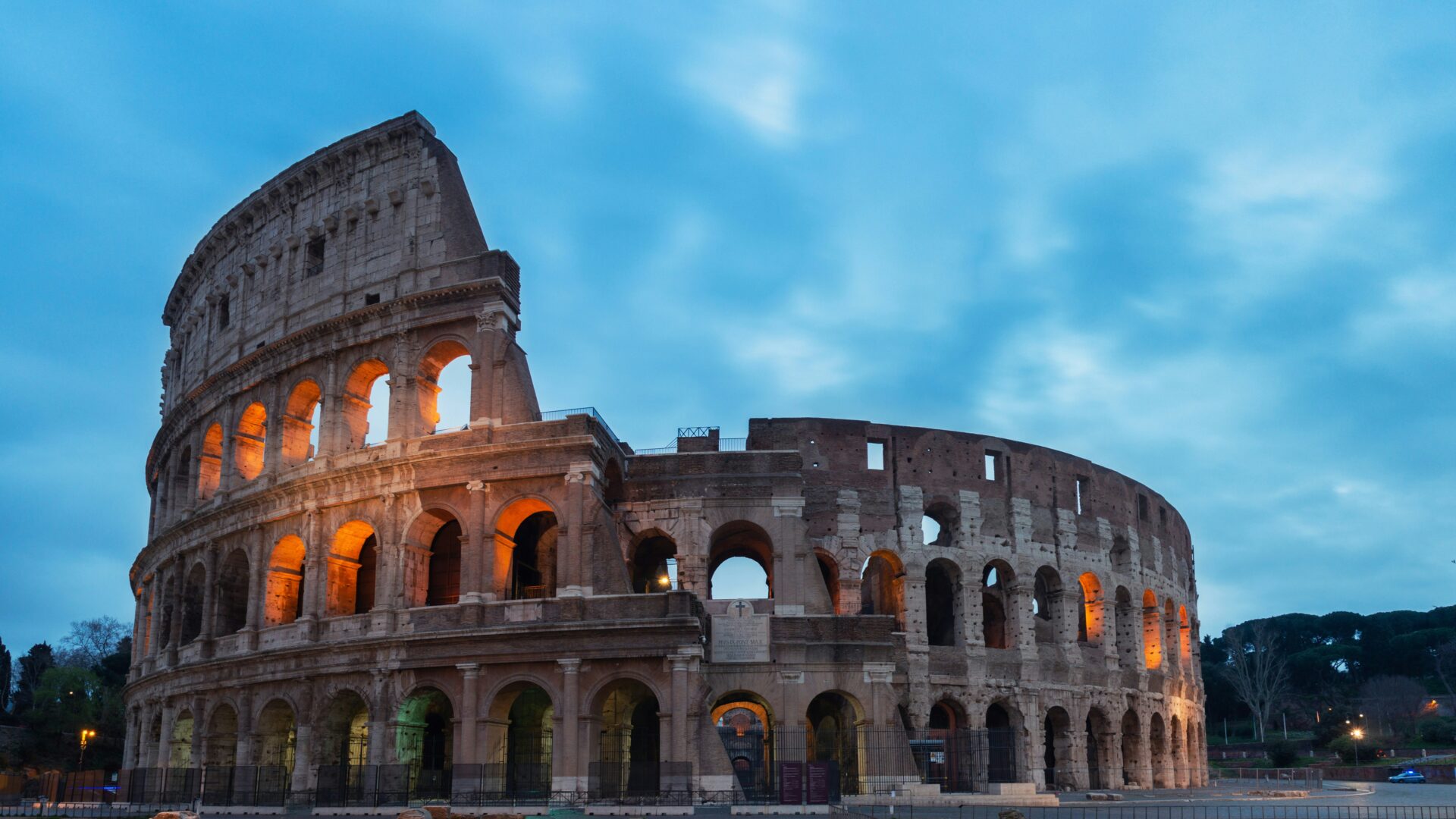
At 35°C (95°F) your body starts to struggle to shed heat, and the gap between a good day and heat exhaustion narrows to a few degrees. What you pack decides how much of the trip you actually see, because at these temperatures the wrong fabric, weak sunscreen, or a missing water bottle ends your afternoon. Below is a packing system built for real heat, using the actual July and August numbers from six cities where 35°C is the summer baseline. If part of your trip runs cool and wet, the list flips completely, so check our guide to packing for a rainy week in Europe before you finalize the other half of your itinerary.
What to Wear in Extreme Heat: The Fabrics That Work at 35°C and Above
- Linen and loose cotton. Linen dries fast and lets air move against your skin, which is why it stays standard summer wear in Seville and Rome even when highs hit 36°C (97°F). Choose relaxed cuts, because anything snug traps a layer of hot air against your body.
- Moisture-wicking synthetics for anything you sweat in. Running-shirt blends pull sweat off your skin and dry in minutes, which matters in humid cities such as Dubai, where morning humidity runs 80 to 90 percent in summer.
- Light colours. A white or pale shirt reflects sunlight and stays noticeably cooler than black, which absorbs it; at 35°C that difference is the gap between uncomfortable and dangerous in direct sun.
- Leave denim and heavy knits at home. Jeans hold moisture and dry slowly, and within an hour of walking in real heat they turn heavy and damp. One pair for the flight is enough; do not make it daily wear.
Sun Protection for a UV Index of 10 or 11
- Sunscreen at SPF 50 or higher, reapplied every two hours. Cairo’s UV index reaches 11 in June, the top of the extreme band, and at that level sunscreen alone is not enough.
- A wide-brim hat and UV400 sunglasses. Seville gets 12 hours of sun a day in July, and the steep midday angle defeats a baseball cap; you need coverage on your ears and the back of your neck.
- Light long sleeves for the middle of the day. In New Delhi, where April sun totals 285 hours for the month, the local advice is loose long sleeves between late morning and late afternoon instead of bare arms.
- A scarf for shoulders and knees. Rome requires covered shoulders and knees inside churches, and a linen scarf weighs almost nothing and gets you through the door.
Hydration Gear Worth the Weight
- A one-litre insulated bottle. In Seville the streets empty between 14:00 and 18:00 in July because of the heat, and you will want cold water through those hours rather than lukewarm plastic.
- Electrolyte tablets or sachets. At 35°C you sweat out more than water, and a single sachet in your bottle replaces the salts you lose and heads off the afternoon headache.
- Plan refills around your route. In New Delhi the pattern that works is sightseeing early, a long midday break, then going back out after 5 PM, so you are never far from shade and water when it matters.
When to Stop Sightseeing and Go Inside
- In Cairo, June sun runs 12 hours a day, and the local pattern is outdoor sightseeing before 10:00 and after 16:00.
- In Seville in July, the workable windows are 9:00 to 13:00 and 19:00 to 22:00, with a pool or air conditioning in between.
- In Marrakech, July sunshine peaks at 350 hours for the month, and the medina streets act as heat traps, so schedule the souks for early morning or after 17:00.
Six Cities Where 35°C Is the Summer Baseline
- Rome, Italy: July highs average 30°C (86°F) but regularly push past 35°C (95°F) during heatwaves, with near-zero rain at about 15mm for the month. The full table is in the Rome weather by month guide.
- Seville, Spain: July and August both average 36°C (97°F), days above 40°C (104°F) are common, and the all-time record is 46.6°C set in July 2023.
- Cairo, Egypt: June through September hold at 35°C (95°F) highs with heatwaves past 40°C (104°F), and the city averages only 25mm of rain across the whole year.
- New Delhi, India: May averages 40°C (104°F) and June 39°C (102°F), but the last week of April already touches 40 to 42°C.
- Marrakech, Morocco: July and August average 37°C (99°F), some days exceed 45°C (113°F), and the record is 49.6°C.
- Dubai, UAE: July and August average 41°C (106°F), and August nights only drop to 30°C (86°F), so the city can stay above 35°C around the clock. See the Dubai weather by month table for every month.
Humid Heat vs Dry Heat: Why 35°C Is Not One Thing
The same 35°C feels completely different depending on humidity. In Dubai, morning humidity of 80 to 90 percent pushes a 41°C day to a heat index of 45 to 50°C, which is why the city moves everything indoors in summer. In New Delhi, May humidity sits near 30 percent, so 40°C is a dry heat where shade genuinely helps. Seville (47 percent in July) and Marrakech (37 percent) sit between the two. Pack for humidity, not just temperature: a dry 38°C in Marrakech is more manageable than a humid 33°C in a Gulf city.

