

 Sunny
Sunny  Overcast
 This post may contain affiliate links. If you purchase through them, I may earn a small commission at no extra cost to you. Thanks for supporting our small business.
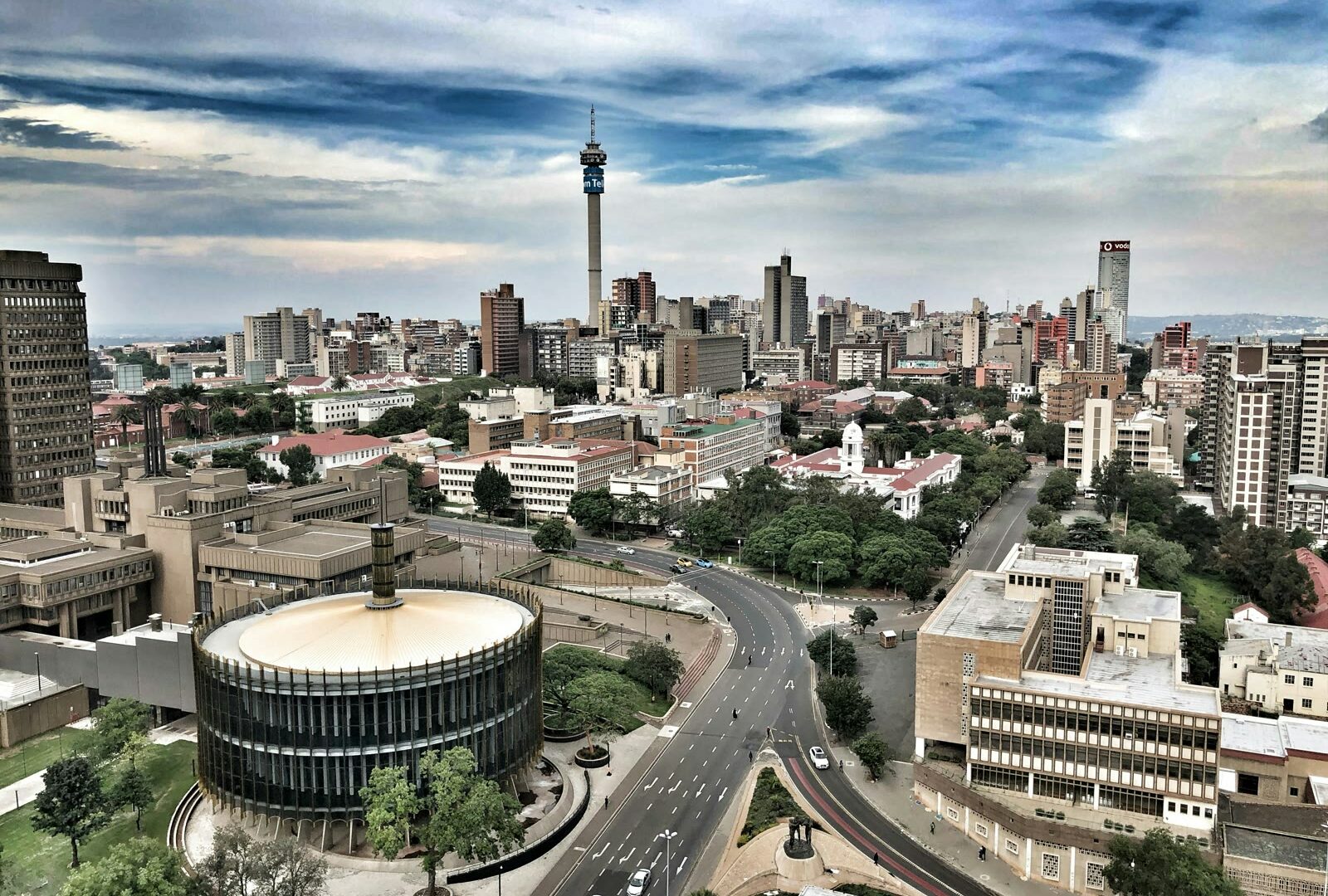
Johannesburg, South Africa’s largest city at 5.6 million people, sits on the Highveld plateau at 1,753m elevation. The city records temperatures from 4°C (39°F) on winter nights to 26°C (79°F) on summer days, with 713mm of annual rainfall concentrated in afternoon thunderstorms October through March. Founded on gold in 1886, Johannesburg grew from a mining camp into Africa’s wealthiest city, a sprawling metropolis of glass towers in Sandton, jacaranda-lined streets in the northern suburbs, and the dense, layered history of Soweto and the inner city.
Welcome to Johannesburg
Johannesburg does not sell itself easily. It is a city you have to work for, but the rewards are substantial. The Apartheid Museum and Constitution Hill tell the story of 20th-century South Africa with power no textbook can match. Soweto’s Vilakazi Street is the only street in the world to have produced two Nobel Peace Prize winners. Maboneng’s warehouses have become galleries. Melville’s 7th Street serves Ethiopian coffee next to vintage bookshops. Johannesburg is Africa’s most culturally productive city, and the energy in its streets, markets, and rooftop bars is palpable.
Johannesburg Climate Overview
Johannesburg’s high-altitude subtropical climate produces two sharply different seasons. The dry winter (May-September) brings cloudless skies, daytime highs of 17-23°C (63-73°F), and cold nights dropping to 4°C (39°F) with frost. The wet summer (October-April) delivers 25-26°C (77-79°F) highs, daily afternoon thunderstorms, and 85% of annual rainfall. The city records over 3,200 sunshine hours annually, making it one of the world’s sunniest major cities. The altitude (1,753m/5,751 ft) means UV levels are extreme year-round and visitors burn faster than at the coast.
Johannesburg Seasonal Snapshot
- Summer (October-April): 12-26°C, afternoon thunderstorms, lush green landscape. October is jacaranda season. Best mornings for outdoor activities.
- Winter (May-September): 4-23°C, cloudless blue skies, no rain. Best for safari and photography. Cold nights require warm layers.
Quick Facts About Johannesburg
- Best months to visit: March-May and September-October (dry, 19-25°C)
- Warmest month: January (26°C/79°F high)
- Coolest month: June and July (4°C/39°F low)
- Wettest month: January (125mm, 15 rain days)
- Driest month: July (5mm, 1 rain day)
- Annual sunshine: ~3,200 hours
Johannesburg Travel Guides
- Johannesburg Weather by Month – Monthly breakdown with exact temperatures, rainfall, humidity, and sunshine hours. Includes complete climate data table.
- Best Time to Visit Johannesburg – Best months for weather, safari, jacarandas, and budget. Seasonal guide with monthly recommendations.
- Things to Do in Johannesburg – Apartheid Museum, Soweto, Maboneng, Cradle of Humankind, and more with hours, prices in Rand, and tips.
- Johannesburg Events and Festivals – Joy of Jazz, Arts Alive, 94.7 Cycle Challenge, Market on Main, and more with dates and ticket prices.
- Johannesburg Neighborhoods – Sandton, Rosebank, Melville, Maboneng, and Braamfontein with who each area suits and hotel prices.
- Where to Stay in Johannesburg – Hotels by area and budget tier with specific recommendations and Booking.com links.
- Johannesburg Travel Tips and FAQ – Safety advice, OR Tambo Airport transport, visas, getting around, and money tips.
Suggested Hotels in Johannesburg
The Michelangelo Hotel
Sandton’s most iconic luxury hotel on Nelson Mandela Square with Italian Renaissance architecture, a grand atrium, and 242 rooms with marble bathrooms. Best for luxury travelers and couples celebrating a special occasion. Check rates and availability
54 on Bath
A 75-room luxury boutique hotel in Rosebank with a champagne bar, terrace with skyline views, and walking distance to art galleries. Best for couples and art-focused travelers. Check rates and availability
Once in Joburg
A converted warehouse hostel in Braamfontein with dorm beds and private rooms, industrial-chic design, and a rooftop bar. Best for backpackers and solo travelers on a budget. Check rates and availability
