
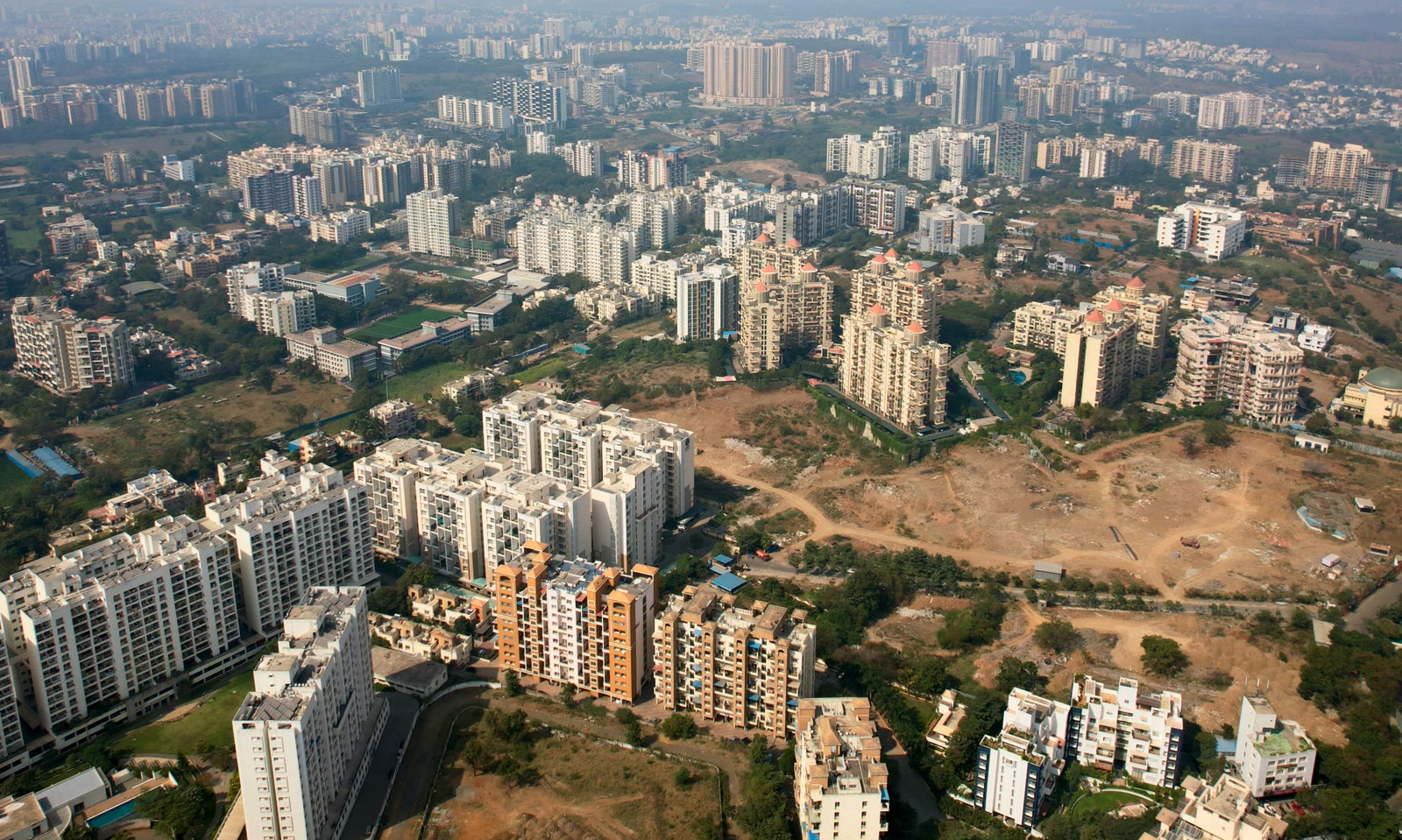


Pune is Maharashtra’s cultural and educational heart, a city of 7 million people perched at 560 metres (1,840 feet) on the Deccan Plateau. It was the seat of the Peshwa rulers of the Maratha Empire for a century, the city where the public celebration of Ganesh Chaturthi was born in the 1890s, and today functions as one of India’s largest IT and manufacturing hubs. The city splits neatly into three zones: the atmospheric 18th-century Peth areas of the old city, the leafy British-era cantonment with its wide avenues, and the modern IT-driven suburbs spreading northwest toward Mumbai. Pune’s climate is a moderate tropical wet-and-dry variety: hot, dry summers from March to May that top out at 38 degrees Celsius (100 degrees Fahrenheit) in April, a drenching monsoon from June through September that delivers 690 mm (27 inches) of annual rainfall, and cool, clear winters from November to February when night temperatures dip to 11 degrees Celsius (52 degrees Fahrenheit). The city sits just 150 km (93 miles) southeast of Mumbai, connected by a 3-hour expressway drive, making it a popular weekend escape from the coastal megacity.
Welcome to Pune
Unlike the coastal chaos of Mumbai or the tourist saturation of Goa, Pune rewards travellers who take their time. Its best experiences are not ticketed attractions but rhythms: the morning ritual of misal pav at a century-old eatery in Sadashiv Peth, the sunset climb up Parvati Hill’s 103 steps, the monsoon transformation of the Sahyadri hills from brown scrub to electric green in two weeks flat. The city’s student population (over 400,000 across its universities and colleges) injects a young, intellectual energy most visible along FC Road and JM Road after 7 PM, when the street food stalls fire up and the bookshops stay open late. This guide covers everything you need, from the monthly weather data to specific hotel recommendations with verified booking links.
Pune Weather at a Glance
Pune sits high enough on the Deccan Plateau to escape the oppressive humidity that defines Mumbai’s climate. Summers (March to May) are hot but dry: April peaks at 38 degrees Celsius (100 degrees Fahrenheit) with just 10 mm of rain. The monsoon (June to September) drops 550 mm of the city’s 690 mm annual rainfall in four months, with July the wettest at 180 mm. Winters (November to February) are gloriously mild: daytime highs of 29 to 32 degrees Celsius (84 to 90 Fahrenheit), nights dipping to 11 degrees Celsius (52 degrees Fahrenheit) in December and January, and nearly zero rain. The full breakdown with monthly tables lives in the Pune weather by month guide.
Pune Seasonal Snapshot
- Winter (November to February): Peak tourist season. Days are sunny and 29 to 32 degrees Celsius, nights cool to 11 to 14 degrees Celsius. Book hotels 3 to 4 weeks ahead. The Sawai Gandharva classical music festival runs in November or December.
- Summer (March to May): Hot and dry, April hottest at 38 degrees Celsius. Hotel rates drop 40 to 50 percent. Mango season peaks in May (Alphonso and Kesar, INR 300 to 600 per dozen). Schedule outdoor activity for before 11 AM.
- Monsoon (June to September): The landscape turns spectacularly green. July is wettest (180 mm). Waterfalls near Lonavala and the Sahyadri forts are at their best. Ganesh Chaturthi (late August or early September) is Pune’s biggest cultural event.
- Post-Monsoon (October): The greenest month. Skies are clearing, the dust is washed away, and temperatures ease to 32 degrees Celsius. Navratri and Diwali celebrations fill October and November. A brief sweet spot before winter peak pricing.
Pune Travel Guides
Our complete Pune guide collection covers every aspect of planning your trip, from the monthly climate data to where you should stay:
- Pune Weather by Month , Monthly temperatures, rainfall, sunshine hours, and humidity data for every month of the year, with a detailed comparison table.
- Best Time to Visit Pune , Season-by-season breakdown of weather, crowds, hotel prices, and key events to help you pick the right dates.
- Things to Do in Pune , The essential attractions: Shaniwar Wada, Aga Khan Palace, Sinhagad Fort, Osho Meditation Resort, and the best street food on FC Road, with ticket prices and opening hours.
- Pune Events and Festivals , Ganesh Chaturthi, Sawai Gandharva classical music festival, Diwali, Holi, PIFF film festival, and more, with specific dates for 2026.
- Best Neighborhoods in Pune , Koregaon Park, Viman Nagar, Deccan Gymkhana, Kalyani Nagar, and the old Peth areas compared by atmosphere, price, and suitability.
- Where to Stay in Pune , Area-by-area hotel recommendations at luxury, mid-range, and budget tiers with verified Booking.com links.
- Pune Travel Tips and FAQ , Airport transport, visas, currency, SIM cards, safety, tipping, what to pack, and answers to common questions.
Where Is Pune and What Affects Its Weather?
Pune sits on the western edge of the Deccan Plateau at 18.5 degrees north latitude, roughly 150 km (93 miles) southeast of Mumbai as the crow flies. Its 560-metre elevation is the defining factor in its climate: it is consistently 5 to 7 degrees Celsius cooler than coastal Mumbai at the same latitude. The Western Ghats mountain range, running north-to-south about 60 km west of the city, acts as a rain shadow: they wring most of the monsoon moisture out of the clouds before they reach Pune, giving the city a relatively moderate 690 mm of annual rainfall compared to 2,200 mm in Mumbai. The city’s location also means it serves as a natural gateway between the Arabian Sea coast and the interior Deccan, a strategic position that the Maratha Empire exploited for over a century.
Pune Quick Facts
- Best months for good weather: November, December, January, February
- Warmest month: April (high 38 degrees Celsius, low 21 degrees Celsius)
- Coolest month: December (high 29 degrees Celsius, low 11 degrees Celsius)
- Wettest month: July (180 mm)
- Driest months: January, February (1 mm each)
- Annual rainfall: approximately 690 mm (27 inches)
- Sunniest months: February and April (10 hours per day)
- Elevation: 560 metres (1,840 feet)
- Population: approximately 7 million (metropolitan area)
- Language: Marathi (local), Hindi and English widely spoken
- Airport: Pune International Airport (PNQ), 10 km northeast of city centre
- Railway station: Pune Junction (PUNE), central location in old city
- Currency: Indian Rupee (INR). Approximately INR 85 = US$1 as of mid-2026.
Where to Stay in Pune
For the full area-by-area breakdown with specific hotel recommendations at every budget level, see our where to stay in Pune guide. Here is a quick overview of the five main areas: Koregaon Park is the top pick for first-time visitors (cosmopolitan, great dining, INR 4,000 to 20,000 per night). Viman Nagar suits business travellers and airport transit (convenient but less character, INR 2,500 to 10,000 per night). Deccan Gymkhana and Shivajinagar are the budget-friendly student zone (INR 800 to 3,000 per night). Kalyani Nagar offers a family-friendly alternative to Koregaon Park at slightly lower prices (INR 3,000 to 12,000 per night). The Peth areas of the old city are for history buffs who prioritise character over comfort (INR 600 to 3,000 per night).
Suggested Hotels in Pune
If you want a quick recommendation without reading the full guide, here are three hotels at three budget levels, each with a verified Booking.com link.
Conrad Pune (Luxury)
The Conrad brought genuine international five-star standards to Pune. Rooms start at 40 square metres with floor-to-ceiling windows, the rooftop pool has panoramic city views, and the breakfast buffet is exceptional. Located on Mangaldas Road in Koregaon Park, a 5-minute walk from the Osho resort. Best for luxury travellers and business executives. Check rates and availability
Hyatt Pune (Mid-Range)
A reliable upper-upscale option 10 minutes from the airport with spacious rooms, a pool surrounded by landscaped gardens, and one of the best breakfast buffets in Viman Nagar. The Grand Beds are genuinely comfortable. Best for business travellers and families. Check rates and availability
Hotel Shreyas (Budget)
A beloved Pune institution offering basic but clean rooms from INR 800 per night in Deccan Gymkhana. The real draw is the attached vegetarian thali restaurant, serving unlimited meals since 1950 (INR 250). A 5-minute walk from FC Road’s street food and bookshops. Best for solo backpackers and budget travellers. Check rates and availability
City Articles
Best Neighborhoods in Pune
Pune’s neighbourhoods split broadly into three zones: the old city (Peth areas) with its narrow lanes and 300-year-old wadas (courtyard mansions), the leafy cantonment east of the Mula-Mutha River built by the British, and the modern IT-driven suburbs spreading northwest. Each area has its own character, price point, and reason to stay. Here is a […]
Read MoreBest Time to Visit Pune
Pune has a split tourism calendar with two distinct sweet spots. The winter months from November to February offer the most comfortable weather: daytime highs of 29 to 32 degrees Celsius (84 to 90 degrees Fahrenheit), cool nights, and nearly zero rain. The post-monsoon window from October to early November gives you green landscapes without […]
Read MorePune Events and Festivals
Pune’s festival calendar runs year-round with a rhythm that follows both the Hindu lunar calendar and the city’s own cultural traditions. From the spectacle of Ganesh Chaturthi (which originated in Pune in the 1890s) to the classical strains of the Sawai Gandharva festival, here are the specific events worth planning a trip around, with dates […]
Read MorePune Travel Tips and FAQ
Pune rewards travellers who arrive prepared. The city is not as tourist-tuned as Goa or Rajasthan, which means fewer touts and less English signage but also a more authentic experience. Here are the practical answers to the questions you will actually have on the ground, from airport logistics to tipping customs and tap-water safety. Pune […]
Read MorePune Weather by Month
Pune sits at 560 metres (1,840 feet) above sea level on the Deccan Plateau, giving it a moderate tropical wet and dry climate (Koppen Aw) that avoids the oppressive humidity of coastal Mumbai, just 150 km (93 miles) away. The city receives about 690 mm (27 inches) of rain annually, almost entirely during the June-to-September […]
Read MoreThings to Do in Pune
Pune packs more historical, cultural, and outdoor punch into one mid-sized Indian city than seems fair. It was the seat of the Peshwa rulers of the Maratha Empire, the birthplace of Indian badminton, and today serves as Maharashtra’s education and IT hub. You can explore an 18th-century fortress in the morning, eat vada pav at […]
Read MoreWhere to Stay in Pune
Pune’s accommodation landscape covers everything from INR 600-a-night budget lodgings in the old city to INR 20,000 suites in Koregaon Park. The right area depends entirely on why you are here: business near the airport in Viman Nagar, culture and history in the Peth areas, or a cosmopolitan food-and-drink base in Koregaon Park. Below we […]
Read More