

 Fog
Fog  Patchy rain nearby
  Partly Cloudy
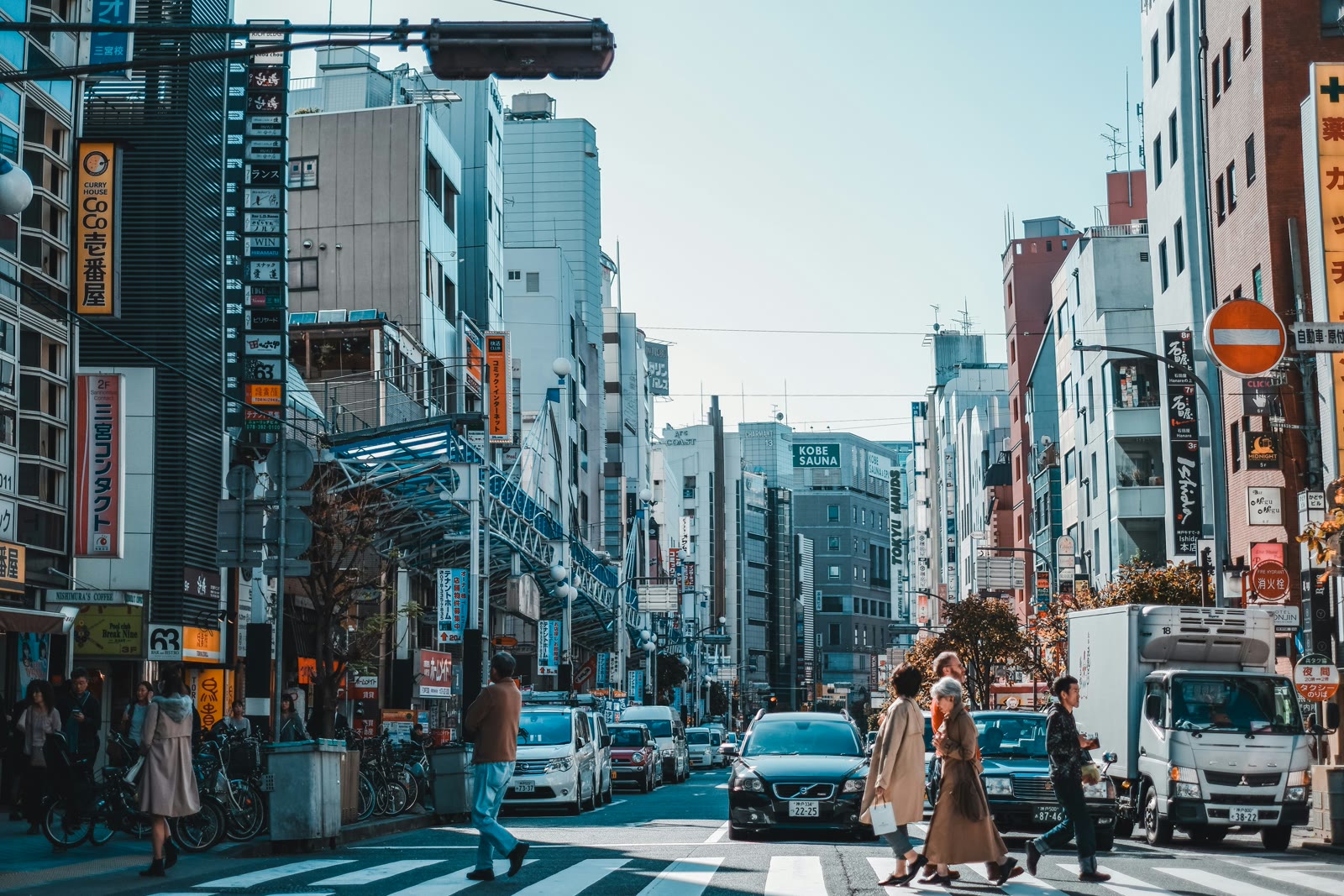
 Kobe is a port city of about 1.5 million people squeezed between the Rokko mountains and Osaka Bay in Japan’s Kansai region. It’s best known for its namesake beef, but the city rewards visitors with more than just a steak dinner: a historic foreign quarter on a hillside, one of Japan’s oldest hot spring towns 30 minutes away, a sake-brewing district that produces more sake than anywhere else in the country, and a waterfront that has been rebuilt into one of Japan’s most pleasant urban promenades. Kobe sits just 25 minutes by train from Osaka and 50 minutes from Kyoto, making it an easy day trip from either city. But with a dozen distinct attractions, excellent food at every budget level, and a more relaxed pace than its neighbors, Kobe earns a stay of two to three nights.
Welcome to Kobe
Kobe was one of the first Japanese ports to open to foreign trade in 1868, and the international influence still shapes the city. The foreign merchants who settled here built Western-style houses on the Kitano hillside, many of which are now museums. The port itself remains a working harbor, with cruise ships docking at Meriken Park and ferries connecting to Awaji Island, Shikoku, and Kyushu. The city’s most defining event is the 1995 Great Hanshin Earthquake, which killed over 6,000 people and destroyed much of the port area. Kobe rebuilt with remarkable speed, and the waterfront that was devastated is now the city’s most attractive public space. Today, Kobe feels like a city that has earned its confidence: polished but not pretentious, modern but rooted in a deep trading history that goes back centuries.
Kobe Weather at a Glance
Kobe has a humid subtropical climate with four distinct seasons. Summers (June to August) are hot and sticky, with daytime highs reaching 32°C (90°F) and humidity above 80%. The tsuyu rainy season runs from early June to mid-July, dropping about 200mm of rain per month. Winters (December to February) are mild by Japanese standards, with daytime highs of 9°C to 12°C (48°F to 54°F) and little snow. Spring (March to May) and autumn (October to November) are the sweet spots, with temperatures in the 15°C to 23°C range, low humidity, and clear skies. Typhoon season runs from August through October, with September typically the wettest month at 190mm of rainfall. For a detailed month-by-month breakdown with temperature and rainfall data, see the Weather By Month.
Kobe Seasonal Snapshot
- Spring (March to May): Cherry blossoms peak in late March to early April. Temperatures climb from 13°C (55°F) to 23°C (73°F). The Kobe Matsuri festival fills the streets on the third weekend of May. This is the best season overall for walking and outdoor sightseeing, though Golden Week (April 29 to May 5) spikes hotel prices by 40 to 60%.
- Summer (June to August): The rainy season dominates June and early July with heavy humidity and overcast skies. Late July through August clears up but hits 32°C (90°F) with stifling humidity. The Minato Kobe Fireworks display lights up the port on the first Saturday of August. Sea temperatures peak at 27°C (81°F).
- Autumn (September to November): September is typhoon season, the second-wettest month at 190mm. October brings a dramatic shift to pleasant 22°C (72°F) days and crisp evenings. Fall foliage on Mt. Rokko peaks in mid to late November. The Kobe Jazz Street festival runs in early October.
- Winter (December to February): Mild and dry, with daytime highs of 9°C to 12°C (48°F to 54°F) and minimal rain (40 to 55mm monthly). The Kobe Luminarie light festival draws millions in early December. Hotel rates hit their annual low in January and February, making this the budget season.
Kobe Quick Facts
- Best months for weather: Mid-April to May and mid-October to November
- Cheapest months: February and June (hotel rates 35 to 50% lower than peak)
- Warmest month: August (avg high 32°C / 90°F)
- Coolest month: January (avg high 9°C / 48°F)
- Wettest months: June (197mm) and September (190mm)
- Sea temperature range: 15°C (59°F) in February to 27°C (81°F) in August
- Annual sunshine: Approximately 2,000 hours
- Time zone: JST (UTC+9), no daylight saving
Complete Kobe Travel Guides
Plan every aspect of your Kobe trip with our detailed guides. The Weather By Month covers temperatures, rainfall, and what to pack for each month. For help choosing your travel dates, Best Time To Visit breaks down the seasons by weather quality, crowd levels, and budget. Our Things To Do rounds up 12 can’t-miss attractions from Kitano-cho to the Nada sake district. The Events Festivals tracks major festivals year-round including the Kobe Luminarie and Kobe Matsuri. To choose the right place to stay, Neighborhoods compares six areas and Where To Stay matches hotels to your budget in each one. Finally, Travel Tips Faq covers airport transfers, transport passes, day trips, and practical FAQs.
- Weather By Month – Monthly temperature and rainfall data with seasonal advice on what to expect and pack.
- Best Time To Visit – When to visit Kobe for the best weather, smallest crowds, lowest prices, and biggest festivals.
- Things To Do – The 12 best attractions: historic foreign houses, Kobe beef restaurants, Mt. Rokko hikes, Arima Onsen hot springs, and Nada sake breweries.
- Events Festivals – Annual festival calendar: Kobe Luminarie, Kobe Matsuri, Minato fireworks, Jazz Street, and cherry blossom dates.
- Neighborhoods – Area guide to Sannomiya, Kitano-cho, Harborland, Nada, Arima Onsen, and the man-made islands.
- Where To Stay – Hotel recommendations for every budget in Sannomiya, Kitano-cho, and Harborland.
- Travel Tips Faq – Airport transfers from KIX, ITM, and UKB, transport passes, day trip ideas, safety, and FAQs.
Where Is Kobe?
Kobe sits on the northern shore of Osaka Bay in central Japan’s Kansai region, about 30km west of Osaka and 65km southwest of Kyoto. The city is the capital of Hyogo Prefecture and stretches for roughly 30km along a narrow coastal strip between the Rokko mountain range and the sea. Its location between mountains and water limits east-west land availability, which is why the city built two artificial islands (Port Island and Rokko Island) to expand. Mount Rokko (931m) forms a natural backdrop, creating a microclimate that is slightly milder than inland Osaka but more humid than the Seto Inland Sea coast to the west. The Akashi Kaikyo Bridge connects Kobe to Awaji Island, which in turn links to Shikoku via the Onaruto Bridge.
Suggested Hotels in Kobe
Kobe Kitano Hotel
A European-style boutique hotel with individually decorated rooms, a French restaurant sourcing local Hyogo produce, and a quiet hillside location in the Kitano-cho historic district. Best for couples and travelers seeking character and excellent on-site dining. Check rates and availability
Daiwa Roynet Hotel Kobe Sannomiya
A dependable mid-range chain with clean, modern rooms averaging 18 to 22 square meters, a 3-minute walk from Sannomiya Station. Best for business travelers and first-time visitors wanting a central, reliable stay. Check rates and availability
APA Hotel Kobe Sannomiya
Compact budget rooms (11 to 14 square meters) with a rooftop public bath and a 4-minute walk to Sannomiya Station. Best for solo travelers and short-stay visitors. Check rates and availability
City Articles
Best Neighborhoods in Kobe
Kobe stretches in a narrow east-west band between the Rokko mountains and Osaka Bay, and its neighborhoods reflect this geography. The central districts cluster around Sannomiya Station, the historic foreign quarter climbs the hillside to the north, the port and shopping areas line the waterfront to the south, and suburban sake-brewing towns spread east toward […]
Read MoreBest Time to Visit Kobe
Kobe works well as a year-round destination, but the experience changes sharply with the seasons. Late April to early May and late October to November deliver the best weather for walking, hiking, and outdoor dining. July and August bring festivals and beach days but also punishing humidity. December offers the Kobe Luminarie light festival but […]
Read MoreKobe Events and Festivals
Kobe’s event calendar reflects its dual identity as a historic port city and a modern cultural hub. The two heavyweights are the May Kobe Matsuri (street festival) and the December Kobe Luminarie (earthquake memorial light display). Between them, you’ll find cherry blossom picnics in spring, jazz performances in autumn, and one of Japan’s most famously […]
Read MoreKobe Travel Tips and FAQ
Kobe is an easy city to navigate, but a few practical details make the difference between a smooth trip and a frustrating one. Here is everything you need to know about getting to Kobe from the airport, using public transport, tipping customs, safety, visa requirements, and the practical questions travelers ask most often. Kobe Travel […]
Read MoreKobe Weather by Month
Kobe has a humid subtropical climate with four distinct seasons. The city sits between the Seto Inland Sea and the Rokko mountain range, creating a microclimate that is slightly milder than inland Osaka but more humid than coastal towns further west. Summers are hot and sticky, with July and August averaging 31°C (88°F) daytime highs […]
Read MoreThings to Do in Kobe
Kobe packs a surprising amount into its narrow strip between mountains and sea. You can start the morning in a 1,200-year-old shrine, eat world-famous beef for lunch, soak in a hot spring by mid-afternoon, and end the day with waterfront cocktails at Harborland. The city rebuilt itself after the devastating 1995 earthquake, and that resilience […]
Read MoreWhere to Stay in Kobe
Kobe’s accommodation spans business hotels near the station, boutique properties on the hillside, traditional ryokan in the mountains, and resort-style hotels on the artificial islands. Your choice of neighborhood shapes your entire trip: Sannomiya for convenience and nightlife, Kitano-cho for character and views, Harborland for families, and Arima Onsen for a traditional escape. This guide […]
Read More