

 Sunny
Sunny  Overcast
  Light drizzle
  Patchy rain nearby
 This post may contain affiliate links. If you purchase through them, I may earn a small commission at no extra cost to you. Thanks for supporting our small business.
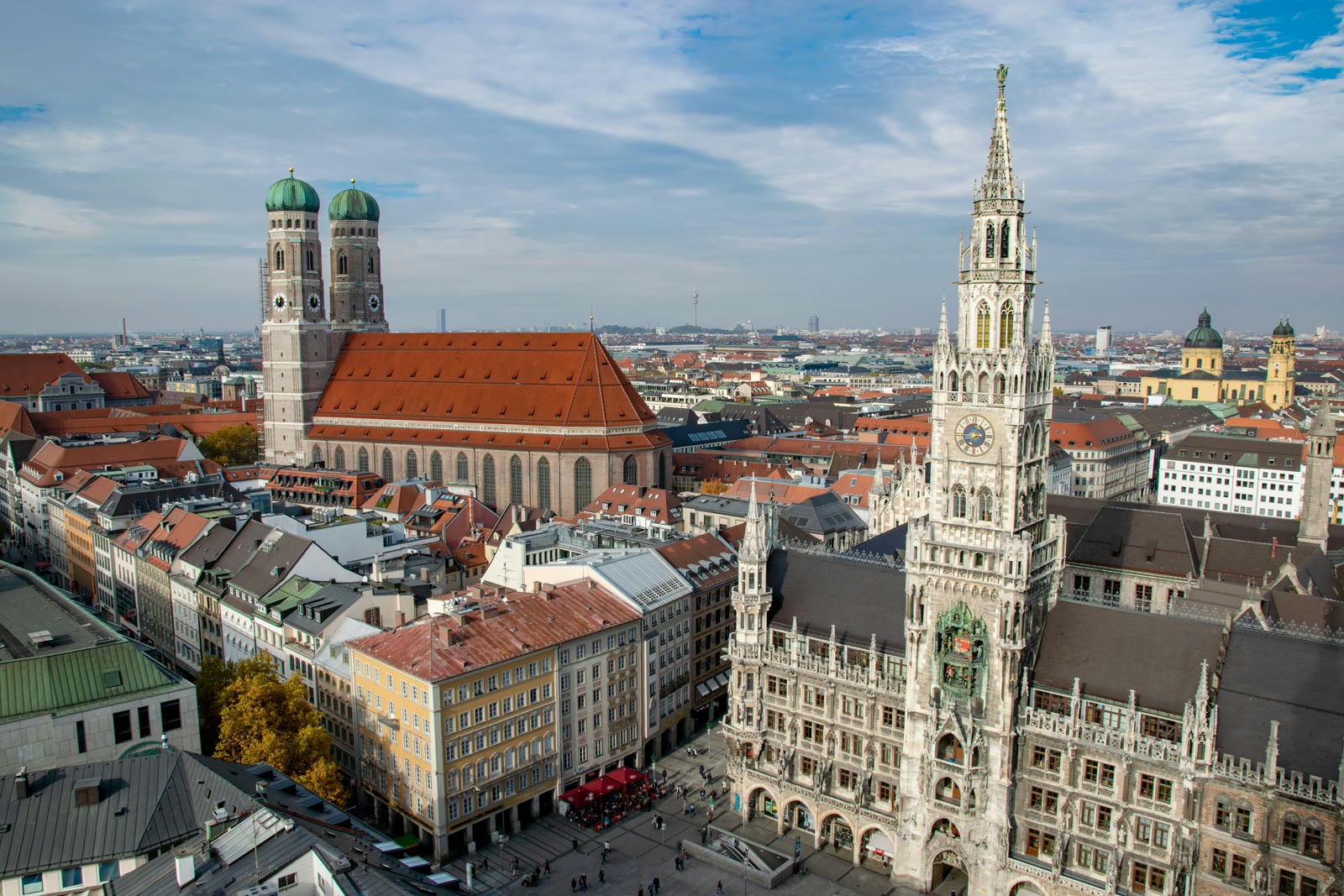
Munich (München) is the capital of Bavaria and Germany’s third-largest city, home to 1.5 million people on the Bavarian plateau 70km north of the Alps. The city balances high-tech industry (BMW, Siemens, Allianz) with deeply rooted traditions: beer gardens under chestnut trees, the world’s largest folk festival (Oktoberfest), and a cultural scene anchored by world-class museums and the Bavarian State Opera.
Munich’s climate brings cold, snowy winters and warm, thunderstorm-prone summers with no dry season. This guide covers everything from Munich weather patterns to where to stay, what to do, and when to visit.
Munich Weather and Climate Overview
Munich has a temperate oceanic climate (Köppen Cfb) with continental influences from its inland location and altitude (520m). Winters are cold: January averages 3°C (37°F) highs and -4°C (25°F) lows with snow on about 8 days. Summers are mild to warm: July and August average 24°C (75°F) highs with lows around 13°C (55°F).
Precipitation is year-round at roughly 960mm annually. June and July are the wettest months (120mm each) due to frequent afternoon thunderstorms. The Föhn wind can produce dramatic warm spells in winter. The detailed Munich weather by month guide provides complete temperature, rainfall, snow, and sunshine data.
Munich Seasons at a Glance
- Spring (March-May): Unpredictable transition from 10°C (50°F) in March to 19°C (66°F) in May. Rain increases through the season. Beer gardens open when weather permits.
- Summer (June-August): Warm (22-24°C / 72-75°F) with frequent thunderstorms. Peak tourism and peak hotel prices. Long daylight (sunset 21:30 in June).
- Autumn (September-November): September brings Oktoberfest and 19°C (66°F) highs. Rapid cooling afterward. The best time to visit Munich for pleasant weather without Oktoberfest crowds is early September or the two weeks after the festival ends.
- Winter (December-February): Cold (3-5°C / 37-41°F), snowy, grey. Christmas markets in December. Cheapest hotel rates in January and February. Good base for Alpine skiing.
Plan Your Munich Trip
Start with the monthly climate breakdown to choose travel dates, then consult the best time to visit guide for balancing weather against Oktoberfest, Christmas markets, and pricing.
Browse things to do in Munich for attractions, beer halls, and day trips. Check the events and festivals calendar for Oktoberfest dates and seasonal markets.
Use the neighborhoods guide and where to stay recommendations to find the right area. The
travel tips and FAQ covers logistics from airport to beer etiquette.
