
This post may contain affiliate links. If you purchase through them, I may earn a small commission at no extra cost to you. Thanks for supporting our small business.
🏔️ Aspen Area Weather Differences
Elevation-Based Temperature Variations
Elevation creates dramatic temperature differences across Aspen’s terrain. The town sits at 8,000 feet, while nearby peaks reach 12,000-14,000 feet. Temperature drops roughly 3-5°F per 1,000 feet of elevation gain, meaning summit temperatures can be 15-25°F colder than town.
Sun exposure dramatically affects temperature, south-facing slopes receive direct sunlight and can be 10-20°F warmer than north-facing aspects at the same elevation. Morning inversions can trap cold air in valleys while higher elevations are warmer, a reversal of normal patterns. When hiking or skiing, always pack layers for significantly colder conditions at higher elevations.
Mountain Passes vs. Valley Weather
Independence Pass (12,095 feet) and other mountain passes experience extreme weather compared to Aspen valley. Passes receive more snow, stronger winds, and colder temperatures. Even when Aspen enjoys pleasant conditions, passes can have whiteout blizzards or dangerous wind.
Independence Pass closes mid-October through late May due to snow accumulation. When open, conditions change rapidly, morning sunshine can become afternoon snowstorms within hours. Always check pass conditions before traveling and carry emergency supplies (blankets, food, water, flashlight) when crossing high-elevation routes.
Windward vs. Leeward Slopes
Mountain weather creates microclimates based on wind patterns. Windward slopes (facing prevailing winds) receive more precipitation and snow, while leeward (downwind) slopes stay drier. Aspen’s location in the Roaring Fork Valley means weather patterns vary between different mountain faces.
Wind speeds increase with elevation, calm conditions in town can coincide with 40-50 mph gusts on exposed ridges. Ski areas like Aspen Highlands and Aspen Mountain experience different conditions based on their orientation to storms. Check specific mountain forecasts rather than relying solely on town weather.
Urban Core vs. Surrounding Areas
Downtown Aspen’s buildings create slight sheltering from wind and can be a few degrees warmer than open areas. The Roaring Fork River corridor channels wind and creates cooler temperatures along the water. Snowmass Village, 10 miles away at different elevation, often experiences different conditions than Aspen itself.
Surrounding communities like Basalt (lower elevation) and Crested Butte (higher elevation) can have vastly different weather on the same day. When planning activities across the region, check localized forecasts for each specific area.
⚠️ Extreme Weather in Aspen
Summer Afternoon Thunderstorms
Mountain thunderstorms are Aspen’s most frequent weather hazard during summer months, typically developing between 2-4 PM from July through August. These storms can be intense and dangerous, featuring lightning, heavy rain, hail, and dramatic temperature drops. Lightning poses serious risk on exposed ridges and peaks, dozens of people are struck annually in Colorado mountains.
Safety tips: Start hikes early (by 7-8 AM) to reach summits and return below treeline by noon. Monitor cloud development, puffy cumulus clouds building vertically signal storm formation. If caught above treeline during a storm, descend immediately, avoid isolated trees and high points, and crouch low (don’t lie flat) if lightning is imminent. Wait 30 minutes after the last thunder before resuming activities.
Winter Storms and Avalanches
Winter storms can dump 1-2 feet of snow in 24 hours, creating whiteout conditions, road closures, and dangerous avalanche conditions. Mountain passes close regularly during storms, potentially stranding travelers. Avalanches pose serious risk in backcountry areas, Colorado averages 6-8 avalanche fatalities annually.
Safety tips: Check Colorado Department of Transportation road conditions before traveling during winter. Never venture into backcountry without avalanche education, proper equipment (beacon, shovel, probe), and checking the Colorado Avalanche Information Center forecast. Ski resorts control avalanche danger within boundaries, but all backcountry terrain is uncontrolled. During major storms, stay at lower elevations and avoid steep terrain.
Extreme Cold and Frostbite
Winter temperatures can drop to -20°F (-29°C) or below, especially during clear nights, with wind chill making exposed skin dangerous. Frostbite can occur within minutes at extreme temperatures, particularly on fingers, toes, nose, and ears.
Safety tips: Layer properly with moisture-wicking base layers, insulating mid-layers, and windproof outer shells. Cover all exposed skin during extreme cold. Carry extra layers, hand warmers, and emergency supplies when skiing or traveling. Recognize frostbite signs (numbness, white or grayish skin) and hypothermia symptoms (shivering, confusion, drowsiness). The thin air at 8,000+ feet elevation compounds cold stress, stay hydrated and watch for altitude sickness symptoms.
Altitude Sickness
At 8,000-12,000+ feet elevation (base to summits), altitude sickness affects many visitors, causing headaches, nausea, fatigue, and shortness of breath. Severe cases can develop into life-threatening conditions.
Safety tips: Ascend gradually, stay hydrated (drink 3-4 liters daily), limit alcohol first day, and avoid overexertion until acclimated. Sleep at lower elevations if possible, “climb high, sleep low.” If symptoms worsen or include confusion, difficulty walking, or severe headache, descend immediately and seek medical help. Most people acclimate within 24-48 hours.
🏔️ Aspen Area Weather Differences
Elevation-Based Temperature Variations
Elevation creates dramatic temperature differences across Aspen’s terrain. The town sits at 8,000 feet, while nearby peaks reach 12,000-14,000 feet. Temperature drops roughly 3-5°F per 1,000 feet of elevation gain, meaning summit temperatures can be 15-25°F colder than town.
Sun exposure dramatically affects temperature, south-facing slopes receive direct sunlight and can be 10-20°F warmer than north-facing aspects at the same elevation. Morning inversions can trap cold air in valleys while higher elevations are warmer, a reversal of normal patterns. When hiking or skiing, always pack layers for significantly colder conditions at higher elevations.
Mountain Passes vs. Valley Weather
Independence Pass (12,095 feet) and other mountain passes experience extreme weather compared to Aspen valley. Passes receive more snow, stronger winds, and colder temperatures. Even when Aspen enjoys pleasant conditions, passes can have whiteout blizzards or dangerous wind.
Independence Pass closes mid-October through late May due to snow accumulation. When open, conditions change rapidly, morning sunshine can become afternoon snowstorms within hours. Always check pass conditions before traveling and carry emergency supplies (blankets, food, water, flashlight) when crossing high-elevation routes.
Windward vs. Leeward Slopes
Mountain weather creates microclimates based on wind patterns. Windward slopes (facing prevailing winds) receive more precipitation and snow, while leeward (downwind) slopes stay drier. Aspen’s location in the Roaring Fork Valley means weather patterns vary between different mountain faces.
Wind speeds increase with elevation, calm conditions in town can coincide with 40-50 mph gusts on exposed ridges. Ski areas like Aspen Highlands and Aspen Mountain experience different conditions based on their orientation to storms. Check specific mountain forecasts rather than relying solely on town weather.
Urban Core vs. Surrounding Areas
Downtown Aspen’s buildings create slight sheltering from wind and can be a few degrees warmer than open areas. The Roaring Fork River corridor channels wind and creates cooler temperatures along the water. Snowmass Village, 10 miles away at different elevation, often experiences different conditions than Aspen itself.
Surrounding communities like Basalt (lower elevation) and Crested Butte (higher elevation) can have vastly different weather on the same day. When planning activities across the region, check localized forecasts for each specific area.
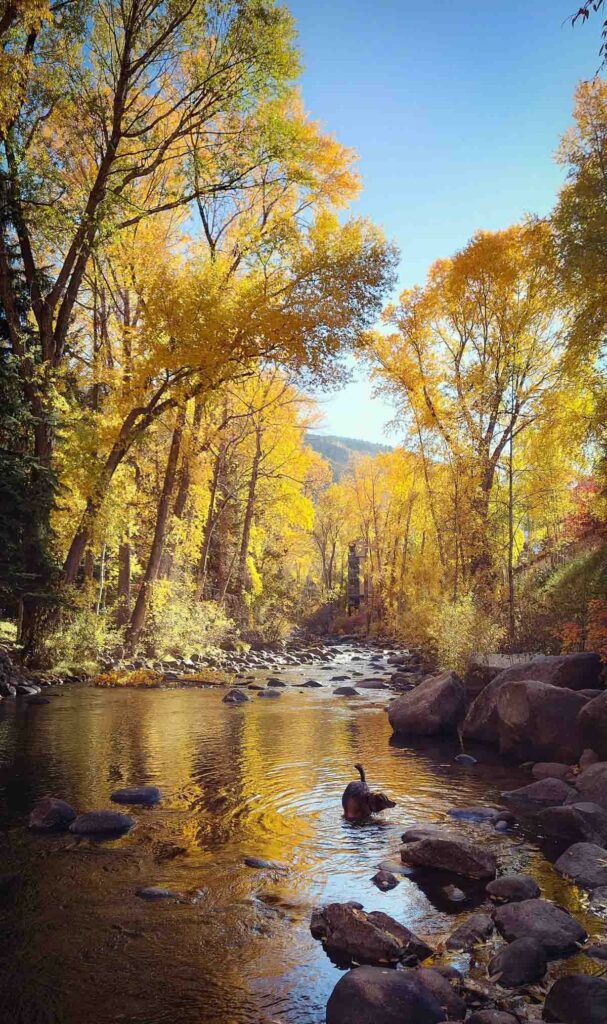
Aspen’s high-alpine climate at 8,000 feet produces four sharply distinct seasons, each with its own character and appeal. Winters are cold and snowy , ideal for skiing. Summers are warm and sunny with afternoon thunderstorms common in July and August. Spring is a messy shoulder season of melting snow and mud, while autumn delivers crisp, golden days that many consider Aspen’s finest season. This month-by-month weather guide breaks down temperatures, snowfall, sunshine, and what each month actually feels like.
⛰️ Aspen Climate Overview
Aspen sits at a breathtaking 8,000 feet elevation in the heart of the Colorado Rockies, which means cool temperatures year-round and serious winter snowfall. The town receives about 170 inches of snow annually, that’s over 14 feet of the fluffy white stuff that makes Aspen a skiing paradise. You’ll experience cold, snowy winters perfect for powder days, pleasant summers ideal for hiking and biking, and stunning shoulder seasons that showcase Colorado’s natural beauty at its finest.
The high altitude creates thinner air and stronger UV rays, so sun protection is essential even on cloudy days. Geographic factors like mountain terrain create microclimates, valley bottoms can be significantly cooler than sunny slopes, while wind patterns shift dramatically based on location.
Temperature swings are dramatic in the mountains. You might experience a 30-40°F difference between daytime highs and nighttime lows, especially in spring and fall. The dry climate means less humidity than East Coast cities, making cold feel crisper and heat more bearable.
❄️ January Weather in Aspen
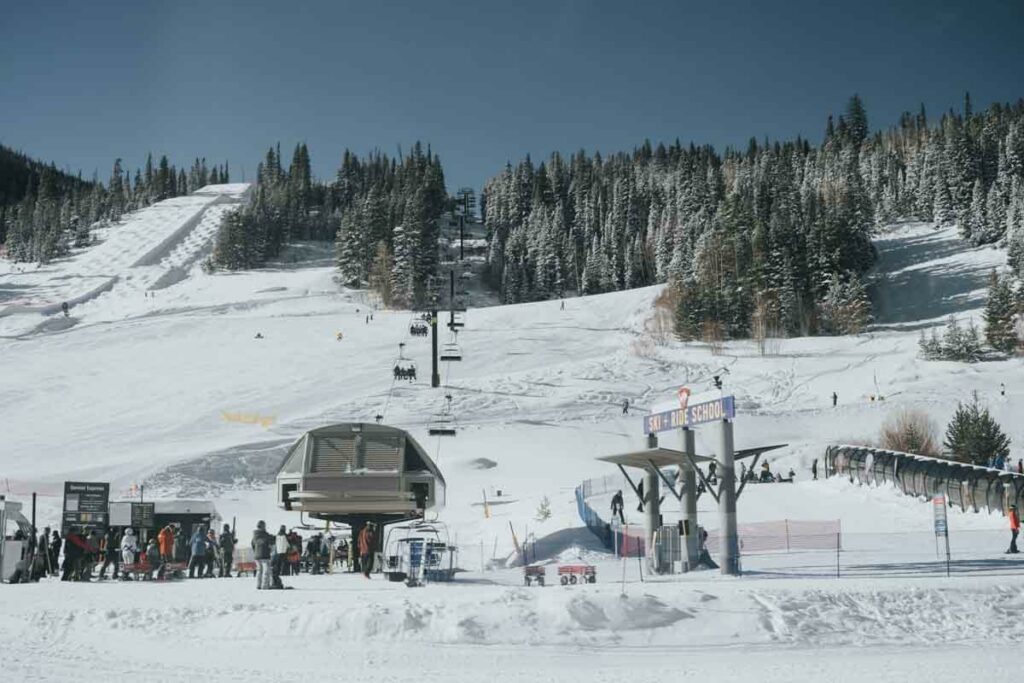
January is peak winter in Aspen, and the mountains wear their snow like a crown. Average high temperatures hover around 34°F (1°C), while nighttime lows plunge to 8°F (-13°C). But don’t let those numbers tell the full story, brilliant sunshine on bluebird days makes it feel warmer than expected, while wind chill on exposed peaks can drop temperatures dramatically.
Temperature: Daytime highs rarely climb above freezing, typically staying in the low to mid-30s°F (0-2°C). Nighttime temperatures dip into single digits, with cold snaps occasionally reaching well below zero. The dry mountain air makes the cold feel different than humid climates, it’s sharp and crisp rather than penetrating. Expect wide temperature swings between sunny slopes and shaded valleys.
Snowfall & Conditions: January delivers an average of 28 inches of fresh powder across 12 snowy days. This is prime skiing season with consistent snowfall maintaining excellent conditions on the mountains. Snow depths on the ground average over 30 inches throughout the month, creating that legendary deep powder Aspen is famous for. Storm cycles bring regular fresh snow, keeping conditions pristine for skiers and snowboarders.
Sunshine & Daylight: Despite heavy snowfall, Aspen enjoys plenty of sunny days between storms. You’ll get about 10 hours of daylight, with the sun rising around 7:30 AM and setting around 5:00 PM. Colorado’s famous 300+ days of sunshine mean you’ll likely experience more bluebird days than overcast ones, even in winter.
What to Pack for January 🎒
A serious winter coat is absolutely essential, along with insulated snow pants, waterproof boots rated for extreme cold, warm gloves or mittens, a neck gaiter or balaclava, and a warm hat that covers your ears. Layering is critical, thermal base layers, fleece mid-layers, and waterproof outer shells. Don’t forget ski-specific gear if hitting the slopes, plus sunglasses and high-SPF sunscreen (mountain sun is intense even in winter!).
Things to Do in Aspen in January ⛷️
- Skiing and snowboarding at Aspen’s four legendary mountains: Snowmass, Aspen Mountain, Aspen Highlands, and Buttermilk
- Winterskol Festival (mid-January) featuring snow sculptures, parades, live music, and après-ski parties
- Ice skating at the Silver Circle Ice Rink in downtown Aspen
- Snowshoeing and winter hiking through snow-covered trails
- Luxury spa treatments to warm up after a day in the cold
- Après-ski at iconic spots with crackling fireplaces and mountain views
- Dog sledding experiences through pristine winter landscapes
🌨️ February Weather in Aspen
February continues winter’s reign over Aspen, delivering some of the season’s best powder conditions. The weather in Aspen in February remains cold but shows Colorado’s characteristic sunny disposition, with average highs of 37°F (3°C) and lows of 12°F (-11°C). This is still peak ski season territory, with fresh snow and ideal winter sports conditions.
Temperature: While marginally warmer than January, February still brings genuine winter cold. Daytime temperatures on sunny slopes can feel quite pleasant, sometimes pushing into the 40s°F (4-7°C), while shaded areas and nighttime hours remain frigidly cold. The month shows increasing daylight, which lifts spirits even as cold persists.
Snowfall & Conditions: February matches January’s snowfall with about 28 inches across 12 snowy days. Snow accumulation remains deep, often 30+ inches on the ground throughout the month. This is when Aspen’s ski season hits its stride, with deep bases, consistent conditions, and regular powder refreshes from passing storms.
Sunshine & Daylight: Sunshine becomes more abundant, with brilliant blue skies between storm systems. Daylight increases noticeably to about 11 hours by month’s end. The strengthening sun makes outdoor activities more pleasant, though UV protection remains critical at high altitude.
What to Pack for February 🧥
Keep that heavy winter gear handy, conditions mirror January closely. Full winter clothing including insulated layers, waterproof outer shells, warm accessories, and proper snow boots. If skiing, ensure all gear is in good condition. Lip balm and moisturizer combat the dry mountain air.
Things to Do in Aspen in February 🎿
- Valentine’s Day romantic getaways with luxury dining and mountain ambiance
- Skiing and snowboarding during peak season with excellent conditions
- Snowmobile tours through backcountry terrain
- Helicopter tours over the stunning Maroon Bells
- Winter X Games events if timing aligns (typically late January/early February)
- Gourmet dining experiences at Aspen’s world-class restaurants
- Snowcat dining at mountain lodges for unique culinary adventures
🌬️ March Weather in Aspen
March ushers in late-season skiing and the first hints of spring, though Aspen’s weather doesn’t follow the calendar. The weather in Aspen in March brings warmer temperatures but still delivers plenty of snow. Average highs climb to 47°F (8°C), with lows around 21°F (-6°C). This is “spring skiing” season when longer days and stronger sun create varying snow conditions throughout each day.
Temperature: Early March feels like winter’s continuation, with cold mornings and snowy weather. By late March, genuine warmth appears during midday hours, with temperatures sometimes reaching the 50s°F (10-15°C) on sunny days. Mornings remain frosty, but afternoons can feel downright pleasant on sun-exposed slopes. Temperature swings between day and night become more pronounced.
Snowfall & Conditions: March delivers about 27 inches of snow across 9-10 snowy days. While still significant, snowfall decreases compared to mid-winter. Snow accumulation remains deep early in the month (25-30 inches on the ground) but begins decreasing as spring progresses. Conditions vary from powder in the morning to corn snow in the afternoon as sun softens the surface.
Sunshine & Daylight: Daylight expands beautifully to 12 hours by month’s end, with the spring equinox bringing equal day and night. Sunshine is abundant, creating those famous Colorado bluebird days. The strengthening sun significantly affects snow conditions, creating a freeze-thaw cycle that transforms powder to slush and back.
What to Pack for March 🌤️
Transitional layering becomes essential. You’ll need winter gear for cold mornings and spring layers for warm afternoons. Pack a lighter jacket for midday warmth, but keep heavier insulation for mornings and evenings. Waterproof gear handles melting snow and slush. Sunglasses and very high-SPF sunscreen are critical, spring sun at altitude is intense!
Things to Do in Aspen in March 🎿☀️
- Spring skiing with longer days and excellent snow conditions
- Après-ski on sunny patios becomes more appealing
- Late-season powder days when storms still roll through
- Winter photography as changing light creates stunning conditions
- Indoor activities like visiting the Aspen Art Museum
- Planning summer adventures as warmer weather approaches
- Wine tasting at cozy venues
🌸 April Weather in Aspen
April is Aspen’s true transition month, swinging between winter holdouts and spring’s arrival. The weather in Aspen in April is notoriously unpredictable, you might ski powder one week and hike in sunshine the next. Average highs reach 53°F (12°C), with lows around 27°F (-3°C). Ski resorts begin closing (typically mid-April), while hiking trails start emerging from snowmelt.
Temperature: Early April still delivers wintry days with snow and freezing temperatures, especially at higher elevations. Mid to late April brings genuine warmth, sunny days can reach the 60s°F (15-18°C), though nighttime freezes persist. The temperature range between daytime and nighttime remains dramatic, often spanning 30-40 degrees.
Snowfall & Conditions: April sees about 21 inches of snow across 8-9 days. While still substantial, this represents a significant decrease from winter months. Snow depth on the ground drops quickly as melting accelerates, from about 18 inches early in the month to minimal coverage by month’s end. Higher elevations retain snow longer than valleys.
Sunshine & Daylight: Daylight extends to 13 hours, giving you substantial time for activities. Sunshine is abundant, accelerating snowmelt and creating muddy conditions on trails. The angle of sunlight changes, warming south-facing slopes while north-facing aspects remain snowbound.
What to Pack for April 🎒
Maximum versatility required! Pack for both winter and spring, waterproof hiking boots, layers ranging from t-shirts to warm fleeces, a rain/snow jacket, and sun protection. Mud season means waterproof gear is essential. Bring both winter accessories for cold mornings and lighter options for warm afternoons.
Things to Do in Aspen in April 🌲
- Late-season skiing (early April before resorts close)
- Spring bargains on lodging as shoulder season begins
- Wildlife watching as animals emerge from winter
- Planning hiking routes for the season ahead
- Indoor activities during unpredictable weather
- Local events as the town transitions between seasons
- Hot springs visits to warm up on chilly days
🌼 May Weather in Aspen
May sees Aspen shake off winter completely and embrace spring. The weather in Aspen in May delivers consistently warmer temperatures, though snow remains possible at higher elevations. Average highs reach a pleasant 63°F (16°C), with lows around 35°F (2°C). The snow has melted in town, wildflowers are beginning to bloom, and outdoor activities shift from skiing to hiking and biking.
Temperature: May’s afternoons are remarkably pleasant, regularly reaching the 60s°F (15-18°C) and occasionally hitting 70°F (21°C) on warm days. Mornings and evenings remain cool, often dipping below freezing overnight, frost is common. Dress in layers, as temperature swings throughout the day remain significant.
Snowfall & Conditions: May receives about 7 inches of snow across 2-3 days. This represents the season’s last snowfall, typically occurring early in the month at higher elevations. The town itself is snow-free, though mountain peaks retain white caps. Snow depth drops to minimal levels, with most trails accessible by late May.
Sunshine & Daylight: Daylight extends to nearly 14 hours, with sunrise before 6:00 AM and sunset around 8:00 PM. Abundant sunshine creates perfect conditions for outdoor exploration. UV radiation is intense at this altitude, sunscreen and sun protection are critical.
What to Pack for May 🌿
Spring clothing dominates: lightweight layers, hiking pants, t-shirts, fleece or light down jacket for cool mornings/evenings, sturdy hiking boots, rain jacket (afternoon showers possible), sun hat, and high-SPF sunscreen. Bring both short- and long-sleeve options for temperature flexibility.
Things to Do in Aspen in May 🚴
- Hiking as trails become increasingly accessible
- Mountain biking as routes dry out
- Wildflower viewing as meadows begin blooming
- Fly fishing as rivers swell with snowmelt
- Off-season rates for accommodations
- Exploring town without winter or summer crowds
- Scenic drives through awakening landscapes
☀️ June Weather in Aspen
June marks the beginning of summer in Aspen, and the weather transitions from pleasant spring warmth to genuine summer conditions. The weather in Aspen in June delivers comfortable temperatures with average highs of 73°F (21°C) and lows around 42°F (6°C). Mountain meadows explode with wildflowers, hiking trails are fully accessible, and Aspen’s summer season begins in earnest.
Temperature: June offers some of the year’s most comfortable weather. Daytime temperatures regularly reach the low to mid-70s°F (21-24°C), with warm spells pushing into the upper 70s or even 80°F (27-29°C). Nights remain refreshingly cool in the 40s°F (4-9°C), perfect for sleeping. The temperature range between day and night can span 30+ degrees, so layers remain important.
Rainfall & Conditions: June receives minimal precipitation, though afternoon thunderstorms become increasingly common later in the month. These mountain storms typically develop in mid-afternoon, bring brief heavy rain and lightning, then clear quickly. Mornings are usually dry and sunny. Humidity remains low compared to lower elevations.
Sunshine & Daylight: Daylight peaks near the summer solstice (around June 21), giving you nearly 15 hours of sun. Sunrise occurs before 5:45 AM, with sunset after 8:30 PM. The extended daylight allows packing multiple activities into each day. Sunshine is abundant, though afternoon cloud buildup precedes thunderstorms.
What to Pack for June 🎒
Summer clothing with layering capability: t-shirts, shorts, hiking pants, a light fleece or jacket for cool mornings/evenings, sturdy hiking boots, a rain jacket for afternoon storms, a sun hat, sunglasses, and very high-SPF sunscreen (50+ recommended). A daypack for hiking with extra layers and rain protection.
Things to Do in Aspen in June 🏔️
- Hiking through wildflower-filled meadows
- Mountain biking on world-class trails
- Fly fishing in pristine mountain streams
- Whitewater rafting on snowmelt-swollen rivers
- Scenic drives through mountain passes (Independence Pass typically opens late May/early June)
- Festival events as summer season launches
- Exploring Maroon Bells, Colorado’s most photographed peaks
- Wildlife watching for elk, deer, and marmots
🌻 July Weather in Aspen
July is peak summer in Aspen, bringing the warmest temperatures and the busiest visitor season. The weather in Aspen in July is simply spectacular, with average highs of 78°F (24°C) and lows around 48°F (9°C). This is when outdoor enthusiasts flock to the mountains for hiking, biking, fishing, and every conceivable mountain activity.
Temperature: Expect consistent warmth throughout July, with temperatures regularly in the mid-to-upper 70s°F (24-26°C). Warm days push into the low 80s°F (27-29°C), though temperatures above 85°F (29°C) are rare at this elevation. Nights remain pleasantly cool in the upper 40s to low 50s°F (9-12°C), perfect sleeping weather. The dry mountain air makes the warmth comfortable rather than oppressive, nothing like humid summer heat at lower elevations.
Rainfall & Conditions: July brings frequent afternoon thunderstorms, a classic mountain weather pattern. Mornings typically start clear and sunny, clouds build through midday, and storms develop 2-4 PM. These can be dramatic with lightning, heavy rain, and even hail, but usually pass within 30-60 minutes. Plan outdoor activities for morning hours, seek shelter during afternoon storms, and enjoy beautiful post-storm evenings.
Sunshine & Daylight: Daylight remains long at 14+ hours, though slightly less than June. Sunrise occurs around 5:50 AM, with sunset around 8:30 PM. Mornings offer the most reliable sunshine before afternoon cloud buildup. The strong summer sun at high altitude creates intense UV exposure, protection is essential.
What to Pack for July ☀️
Lightweight, breathable summer clothing: t-shirts, shorts, hiking pants, long-sleeve shirts for sun protection, a fleece or light jacket for cool mornings and high-altitude hiking, a rain jacket (essential for afternoon storms), sturdy hiking boots, a sun hat with a brim, sunglasses, and SPF 50+ sunscreen. Moisture-wicking layers help manage sweat during strenuous hikes.
Things to Do in Aspen in July 🚵
- High-altitude hiking to alpine lakes and mountain peaks
- Mountain biking on extensive trail networks
- Food & Wine Classic (typically late June/early July), Aspen’s premier culinary event
- Fly fishing in world-renowned streams
- Whitewater rafting and kayaking
- Outdoor concerts and music festivals
- Scenic gondola rides for stunning views without the hike
- Camping in nearby national forests
- Rock climbing and via ferrata routes
- Wildflower photography at peak bloom
🌤️ August Weather in Aspen
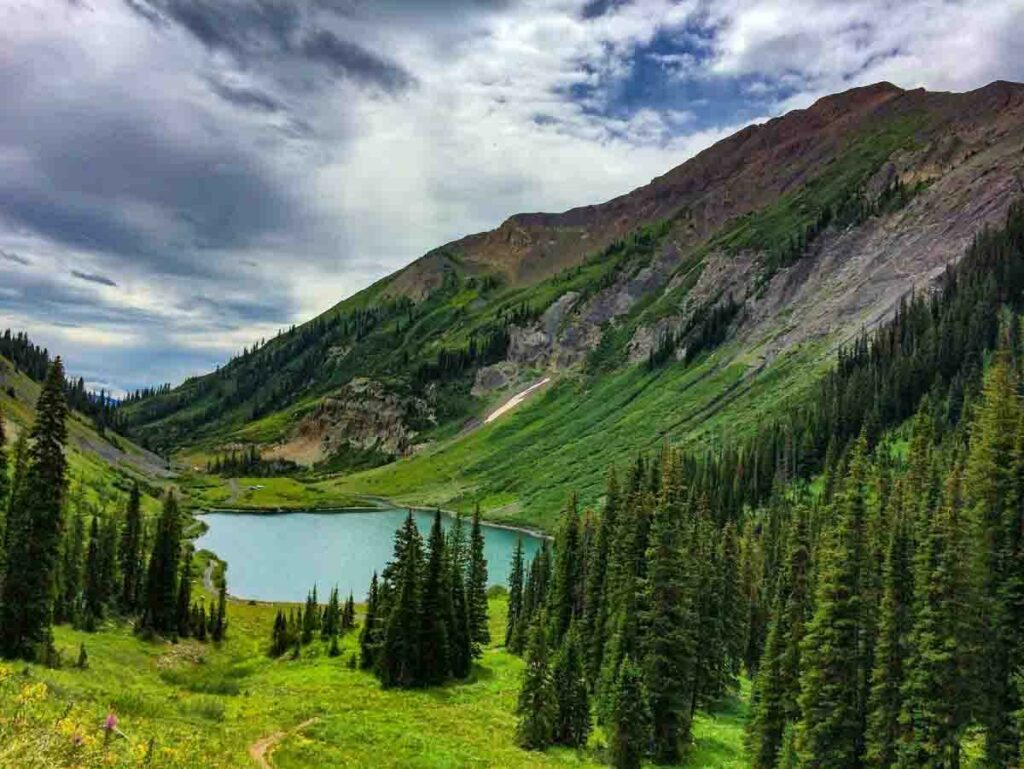
August continues July’s summer warmth but adds hints of approaching autumn. The weather in Aspen in August remains beautiful, with average highs around 76°F (24°C) and lows near 48°F (9°C). This is still prime summer season, offering excellent conditions for outdoor activities with slightly fewer crowds as families return to school routines.
Temperature: While technically slightly cooler than July, August often feels just as warm. Daytime temperatures consistently reach the mid-70s°F (23-25°C), with warm spells pushing into the low 80s°F (27-29°C). Late August occasionally hints at autumn with cooler days in the upper 60s°F (19-20°C), especially following storm systems. Nights remain cool and comfortable in the upper 40s°F (8-10°C).
Rainfall & Conditions: Afternoon thunderstorms continue as July’s pattern persists. Expect morning sunshine, midday cloud development, and afternoon storms that bring brief heavy rain and lightning. Late August sometimes sees weather patterns shift as autumn approaches, with occasional longer-duration storms. Wildfire smoke from regional fires can affect visibility some years, though this varies dramatically year to year.
Sunshine & Daylight: Daylight decreases noticeably to about 13 hours by month’s end. Sunrise shifts toward 6:15 AM, with sunset around 7:45 PM. You can feel summer waning even as warmth persists. Morning light changes angle, creating that beautiful late-summer glow photographers love.
What to Pack for August 🎒
Pack similarly to July, summer clothing with layers for cool mornings, rain protection for afternoon storms, and sun protection. Add one warmer layer (fleece or light down) for late August evenings. Comfortable hiking boots, moisture-wicking clothes, hat, sunglasses, and high-SPF sunscreen remain essential.
Things to Do in Aspen in August 🏞️
- Hiking continues with excellent trail conditions
- Mountain biking races and events
- Fly fishing as rivers stabilize from snowmelt
- Music festivals and outdoor concerts
- Exploring alpine lakes before autumn arrives
- Foraging for wild mushrooms (with proper knowledge)
- Photography as late-summer light becomes stunning
- Scenic drives through mountain passes
- Last summer adventures before fall arrives
🍂 September Weather in Aspen
September is when Aspen becomes truly magical. The weather in Aspen in September transitions from summer warmth to autumn crispness, and the famous aspen trees begin their golden transformation. Average highs drop to a comfortable 69°F (17°C), with lows around 39°F (4°C). This is what many consider Aspen’s best weather of the year, comfortable temperatures, stunning colors, and fewer crowds.
Temperature: Early September extends summer’s warmth, with temperatures in the upper 60s to low 70s°F (19-22°C). Mid-month brings noticeable cooling, and by late September, true autumn arrives with daytime highs in the 50s-60s°F (12-18°C). Mornings turn frosty, freezing temperatures are common, especially at higher elevations. The temperature spread between day and night becomes dramatic, often 30-40 degrees.
Snowfall & Conditions: September can bring the season’s first snowfall, particularly late in the month and at higher elevations. The town itself rarely sees snow, but mountain peaks often receive light dustings that melt quickly. Average snowfall is about 1 inch for the month. This “termination dust” on peaks signals winter’s eventual return.
Sunshine & Daylight: Daylight continues decreasing to about 12 hours by month’s end. Sunrise shifts toward 6:40 AM, with sunset around 7:00 PM. The changing angle of sunlight creates that famous autumn golden light that makes aspen trees glow. Clear, crisp days dominate, perfect for photography.
What to Pack for September 🍁
Transitional layering is essential: long-sleeve shirts, fleece mid-layers, warm jacket for mornings/evenings, hiking pants, light gloves and hat for cold mornings, rain jacket, sturdy hiking boots, and sun protection. Pack for both 70°F (21°C) afternoons and 30°F (-1°C) mornings, temperature swings are dramatic.
Things to Do in Aspen in September 🌲
- Fall foliage viewing as aspen trees turn brilliant gold
- Hiking through golden aspen groves
- Mountain biking with stunning autumn scenery
- Photography at peak fall colors (typically mid to late September)
- Scenic drives through mountain passes
- Aspen Saturday Market showcasing local produce and crafts
- Fewer crowds compared to summer and winter peaks
- Wildlife watching as elk enter rutting season
- Fly fishing with beautiful autumn backdrops
🎨 October Weather in Aspen
October delivers classic autumn in Aspen with spectacular foliage and crisp mountain air. The weather in Aspen in October is beautiful but cooling rapidly, with average highs settling at 58°F (12°C) and lows around 30°F (-1°C). This is when Aspen’s namesake trees reach peak gold, creating one of Colorado’s most photographed landscapes.
Temperature: Early October often extends September’s pleasant weather, with temperatures in the 50s-60s°F (12-18°C). By mid-month, true autumn dominates, with most days in the 40s-50s°F (6-12°C) range. Late October brings winter’s approach, temperatures can struggle to reach 40°F (4°C), and nighttime freezes are standard. Snow becomes increasingly likely, especially at higher elevations.
Snowfall & Conditions: October receives about 10 inches of snow across 4 snowy days. Early month snowfalls typically melt quickly, but late October snow can stick around, especially at higher elevations. Snow depth on the ground averages 3-5 inches by month’s end, signaling winter’s approach. Hiking conditions shift from dry trails to potentially snowy conditions at higher elevations.
Sunshine & Daylight: Daylight shrinks to about 11 hours by month’s end. Sunrise occurs around 7:15 AM, with sunset moving back to 6:15 PM. The changing sunlight creates stunning photography conditions, with low-angle light illuminating golden aspen groves beautifully. Clear days dominate, though storm systems become more frequent.
What to Pack for October 🧥
Warm layers become necessary: fleece or down jacket, long-sleeve base layers, warm hat and gloves, insulated vest, waterproof hiking boots, rain/snow jacket, and sun protection. Early October might need only moderate layers, while late October requires winter-lite gear. Pack for both 60°F (16°C) and 25°F (-4°C) possibilities.
Things to Do in Aspen in October 🍂
- Peak fall foliage viewing (early to mid-October)
- Hiking through golden aspen forests before snow arrives
- Photography at peak colors around Maroon Bells
- Scenic drives on Independence Pass (closes mid-October for winter)
- Mountain biking during shoulder season
- Aspen Saturday Market for local goods
- Wine tasting at cozy venues as weather cools
- Preparing for ski season with equipment shopping
- Fewer crowds and lower prices than peak seasons
🌨️ November Weather in Aspen
November brings winter’s return to Aspen with dropping temperatures and increasing snowfall. The weather in Aspen in November transitions from autumn to full winter conditions, with average highs of 44°F (3°C) and lows around 16°F (-9°C). Ski season typically begins mid-to-late November, and the town shifts its energy from hiking to skiing.
Temperature: Early November can still deliver pleasant autumn days in the 50s°F (10-12°C), but mid-month brings noticeable cooling. By late November, winter has arrived with daytime highs in the 30s°F (0-4°C) and nighttime temperatures regularly dropping into the teens or single digits Fahrenheit (-12 to -7°C). Thanksgiving week often brings genuine winter cold, though occasional warm spells can surprise.
Snowfall & Conditions: November receives about 20.5 inches of snow across 8 snowy days. This represents a significant increase from October, with snow accumulating and sticking around rather than melting. By month’s end, snow depth averages 14-20 inches on the ground. Ski resorts prepare for opening, typically launching operations mid-to-late November depending on snow conditions.
Sunshine & Daylight: Daylight shrinks noticeably to just under 10 hours by month’s end. Sunrise moves toward 7:00 AM, with sunset around 4:45 PM, the short days feel jarring after summer’s extended light. Sunshine remains abundant between storm systems, creating beautiful pre-winter scenes.
What to Pack for November ❄️
Winter gear becomes necessary: warm insulated coat, snow pants, waterproof winter boots, warm gloves, hat, and scarf. Layering is critical, thermal base layers, fleece mid-layers, and waterproof outer shells. Early November might allow lighter gear, but late November requires full winter equipment. If planning to ski during Thanksgiving week, bring all ski gear.
Things to Do in Aspen in November ⛷️
- Early-season skiing (typically begins mid-to-late November)
- Thanksgiving celebrations in a mountain setting
- Preparing for winter season with gear shopping
- Indoor activities as weather turns cold
- Lower shoulder-season rates before holiday rush
- Quieter town between autumn and winter tourist peaks
- Scenic photography of early winter landscapes
- Hot springs visits to warm up
🎿 December Weather in Aspen
December transforms Aspen into a winter wonderland and holiday destination. The weather in Aspen in December is cold and snowy, with average highs around 35°F (-2°C) and lows near 9°F (-13°C). This is peak ski season beginning, and the town fills with festive energy, twinkling lights, and celebratory atmosphere.
Temperature: December brings genuine winter cold throughout the month. Daytime highs typically stay in the 30s°F (0-4°C), rarely climbing above freezing. Nighttime temperatures drop into single digits or below zero Fahrenheit (-12 to -18°C), especially during clear nights. Wind chill on mountain peaks can be brutal. However, dry mountain air makes the cold feel more tolerable than humid climates at similar temperatures.
Snowfall & Conditions: December delivers about 27.5 inches of snow across 11 snowy days. This significant snowfall builds the base for ski season, with snow depth on the ground averaging 22-29 inches by month’s end. A white Christmas is virtually guaranteed in Aspen, the town and mountains are deeply snow-covered throughout December. Storm cycles bring regular powder refreshes.
Sunshine & Daylight: December marks the year’s shortest days, the winter solstice (around December 21) brings only about 9 hours of daylight. Sunrise occurs around 7:30 AM, with sunset around 4:40 PM. The early darkness is compensated by holiday lights illuminating the town and mountain villages. Sunshine between storms is frequent, Colorado’s famous bluebird days.
What to Pack for December 🎁
Serious winter gear is mandatory: heavy insulated parka, insulated snow pants, winter boots rated for extreme cold, warm gloves or mittens (bring both!), neck gaiter or balaclava, warm hat covering ears, thermal base layers, fleece mid-layers, and ski-specific gear if hitting slopes. Sunglasses and SPF 50+ sunscreen (mountain sun reflects off snow intensely). Pack hand and toe warmers for extra cold days.
Things to Do in Aspen in December 🎄
- World-class skiing and snowboarding at four mountains
- Holiday celebrations with festive decorations and events
- New Year’s Eve celebrations in a mountain paradise
- Ice skating at outdoor rinks
- Luxury shopping on Galena Street
- Gourmet dining at renowned restaurants
- Snowshoeing through winter wonderlands
- Spa treatments and wellness experiences
- Sleigh rides through snowy landscapes
- Holiday markets and festive atmosphere
- Après-ski culture at its finest
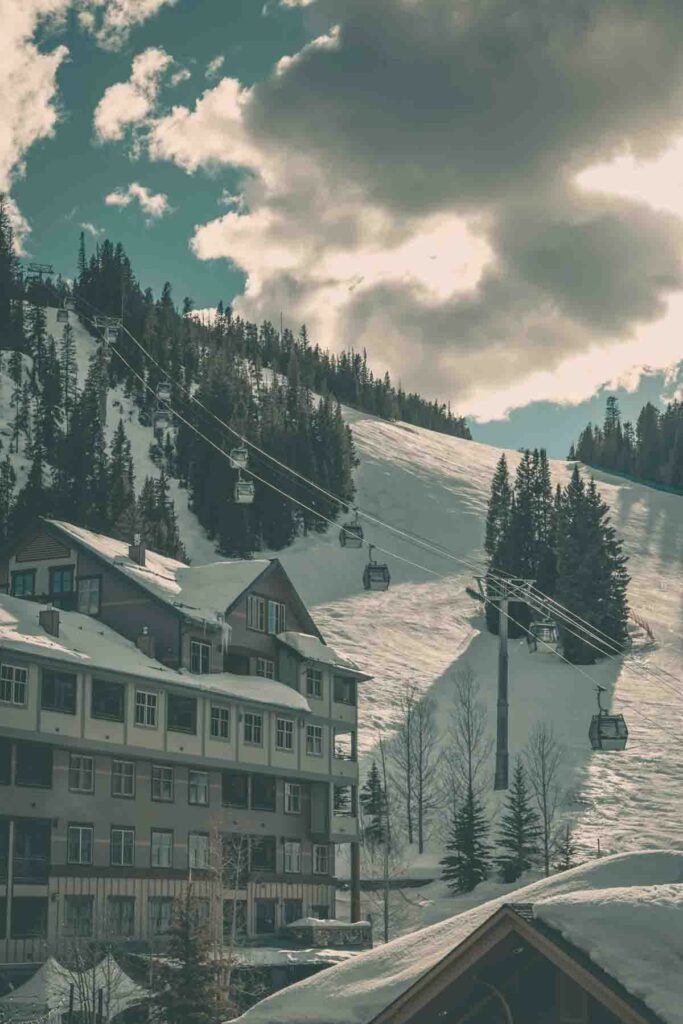
📊 Aspen Weather Comparison Table
| Month | Avg High | Avg Low | Snowfall | Snowy Days | Daylight Hours | Best For |
|---|---|---|---|---|---|---|
| January | 34°F (1°C) | 8°F (-13°C) | 28.1″ | 12 | 10 hrs | Peak skiing, Winterskol |
| February | 37°F (3°C) | 12°F (-11°C) | 28.3″ | 12 | 11 hrs | Powder skiing, Winter X |
| March | 47°F (8°C) | 21°F (-6°C) | 26.9″ | 10 | 12 hrs | Spring skiing |
| April | 53°F (12°C) | 27°F (-3°C) | 20.9″ | 8 | 13 hrs | Late skiing, transition |
| May | 63°F (16°C) | 35°F (2°C) | 7.0″ | 3 | 14 hrs | Hiking begins, wildflowers |
| June | 73°F (21°C) | 42°F (6°C) | 0.4″ | 0 | 15 hrs | Hiking, biking, festivals |
| July | 78°F (24°C) | 48°F (9°C) | 0″ | 0 | 14.5 hrs | Peak summer activities |
| August | 76°F (24°C) | 48°F (9°C) | 0″ | 0 | 13 hrs | Hiking, biking, fishing |
| September | 69°F (17°C) | 39°F (4°C) | 1.0″ | 1 | 12 hrs | Fall colors, best weather |
| October | 58°F (12°C) | 30°F (-1°C) | 10.2″ | 4 | 11 hrs | Peak foliage, photography |
| November | 44°F (3°C) | 16°F (-9°C) | 20.5″ | 8 | 10 hrs | Early skiing, Thanksgiving |
| December | 35°F (-2°C) | 9°F (-13°C) | 27.5″ | 11 | 9 hrs | Holidays, peak ski season |
⚠️ Extreme Weather in Aspen
Summer Afternoon Thunderstorms
Mountain thunderstorms are Aspen’s most frequent weather hazard during summer months, typically developing between 2-4 PM from July through August. These storms can be intense and dangerous, featuring lightning, heavy rain, hail, and dramatic temperature drops. Lightning poses serious risk on exposed ridges and peaks, dozens of people are struck annually in Colorado mountains.
Safety tips: Start hikes early (by 7-8 AM) to reach summits and return below treeline by noon. Monitor cloud development, puffy cumulus clouds building vertically signal storm formation. If caught above treeline during a storm, descend immediately, avoid isolated trees and high points, and crouch low (don’t lie flat) if lightning is imminent. Wait 30 minutes after the last thunder before resuming activities.
Winter Storms and Avalanches
Winter storms can dump 1-2 feet of snow in 24 hours, creating whiteout conditions, road closures, and dangerous avalanche conditions. Mountain passes close regularly during storms, potentially stranding travelers. Avalanches pose serious risk in backcountry areas, Colorado averages 6-8 avalanche fatalities annually.
Safety tips: Check Colorado Department of Transportation road conditions before traveling during winter. Never venture into backcountry without avalanche education, proper equipment (beacon, shovel, probe), and checking the Colorado Avalanche Information Center forecast. Ski resorts control avalanche danger within boundaries, but all backcountry terrain is uncontrolled. During major storms, stay at lower elevations and avoid steep terrain.
Extreme Cold and Frostbite
Winter temperatures can drop to -20°F (-29°C) or below, especially during clear nights, with wind chill making exposed skin dangerous. Frostbite can occur within minutes at extreme temperatures, particularly on fingers, toes, nose, and ears.
Safety tips: Layer properly with moisture-wicking base layers, insulating mid-layers, and windproof outer shells. Cover all exposed skin during extreme cold. Carry extra layers, hand warmers, and emergency supplies when skiing or traveling. Recognize frostbite signs (numbness, white or grayish skin) and hypothermia symptoms (shivering, confusion, drowsiness). The thin air at 8,000+ feet elevation compounds cold stress, stay hydrated and watch for altitude sickness symptoms.
Altitude Sickness
At 8,000-12,000+ feet elevation (base to summits), altitude sickness affects many visitors, causing headaches, nausea, fatigue, and shortness of breath. Severe cases can develop into life-threatening conditions.
Safety tips: Ascend gradually, stay hydrated (drink 3-4 liters daily), limit alcohol first day, and avoid overexertion until acclimated. Sleep at lower elevations if possible, “climb high, sleep low.” If symptoms worsen or include confusion, difficulty walking, or severe headache, descend immediately and seek medical help. Most people acclimate within 24-48 hours.
🏔️ Aspen Area Weather Differences
Elevation-Based Temperature Variations
Elevation creates dramatic temperature differences across Aspen’s terrain. The town sits at 8,000 feet, while nearby peaks reach 12,000-14,000 feet. Temperature drops roughly 3-5°F per 1,000 feet of elevation gain, meaning summit temperatures can be 15-25°F colder than town.
Sun exposure dramatically affects temperature, south-facing slopes receive direct sunlight and can be 10-20°F warmer than north-facing aspects at the same elevation. Morning inversions can trap cold air in valleys while higher elevations are warmer, a reversal of normal patterns. When hiking or skiing, always pack layers for significantly colder conditions at higher elevations.
Mountain Passes vs. Valley Weather
Independence Pass (12,095 feet) and other mountain passes experience extreme weather compared to Aspen valley. Passes receive more snow, stronger winds, and colder temperatures. Even when Aspen enjoys pleasant conditions, passes can have whiteout blizzards or dangerous wind.
Independence Pass closes mid-October through late May due to snow accumulation. When open, conditions change rapidly, morning sunshine can become afternoon snowstorms within hours. Always check pass conditions before traveling and carry emergency supplies (blankets, food, water, flashlight) when crossing high-elevation routes.
Windward vs. Leeward Slopes
Mountain weather creates microclimates based on wind patterns. Windward slopes (facing prevailing winds) receive more precipitation and snow, while leeward (downwind) slopes stay drier. Aspen’s location in the Roaring Fork Valley means weather patterns vary between different mountain faces.
Wind speeds increase with elevation, calm conditions in town can coincide with 40-50 mph gusts on exposed ridges. Ski areas like Aspen Highlands and Aspen Mountain experience different conditions based on their orientation to storms. Check specific mountain forecasts rather than relying solely on town weather.
Urban Core vs. Surrounding Areas
Downtown Aspen’s buildings create slight sheltering from wind and can be a few degrees warmer than open areas. The Roaring Fork River corridor channels wind and creates cooler temperatures along the water. Snowmass Village, 10 miles away at different elevation, often experiences different conditions than Aspen itself.
Surrounding communities like Basalt (lower elevation) and Crested Butte (higher elevation) can have vastly different weather on the same day. When planning activities across the region, check localized forecasts for each specific area.
