
This post may contain affiliate links. If you purchase through them, I may earn a small commission at no extra cost to you. Thanks for supporting our small business.
San Francisco’s weather operates on its own logic. The city’s unique geography , squeezed between the cold Pacific and the warmer bay, with hills creating wind tunnels and fog corridors , means you can experience three seasons in a single afternoon. This guide explains San Francisco’s microclimates in detail and provides a practical packing strategy so you arrive prepared for whatever Karl the Fog decides to do.
Understanding San Francisco’s Microclimates
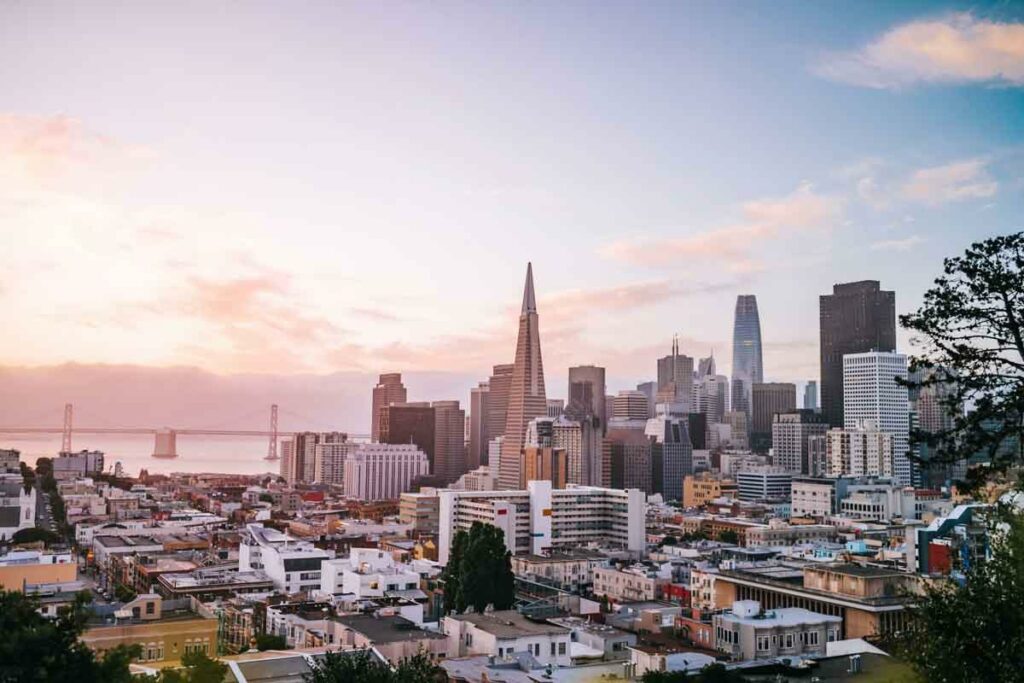
San Francisco’s microclimates are legendary and create dramatic weather variations within the city. Understanding these patterns helps you choose neighborhoods and plan activities strategically.
The Fog Zone
Western and northern neighborhoods, the Sunset, Richmond, Twin Peaks, and areas near Ocean Beach, experience the most fog. These areas sit directly in the path of marine layer flowing through the Golden Gate, keeping them cool and foggy, particularly during summer months (June-August). Temperatures can be 10-20 degrees cooler than sunny areas just miles away.
If you’re staying in fog-prone neighborhoods, expect cool, gray conditions in summer. However, these areas offer authentic San Francisco character, proximity to Ocean Beach and Golden Gate Park, and significantly lower accommodation costs than sunnier districts.
The Sun Zone
The Mission District, Potrero Hill, Noe Valley, South of Market (SOMA), and Mission Bay enjoy the most sunshine. These neighborhoods are sheltered from fog by hills and geography, allowing them to stay sunny and warm when western areas sit in fog. Temperature differences of 15-25 degrees Fahrenheit are common during summer.
The Mission District particularly stands out as consistently warm and sunny, it’s where locals go when they want sunshine during foggy summer days. During heat waves, the Mission can reach 95°F (35°C) while Ocean Beach stays at 70°F (21°C).
The Mixed Zone
The Castro, Haight-Ashbury, Cole Valley, Marina, and some other neighborhoods experience variable conditions, sometimes foggy, sometimes sunny, often transitioning throughout the day. These areas sit in fog’s path but aren’t completely engulfed like western districts.
Morning fog often burns off by afternoon in mixed zones, providing diverse weather within a single day. These neighborhoods offer compromise, some fog experience without persistent grayness.
Strategic Planning
Use microclimates strategically. Check current conditions and head to sunny neighborhoods (Mission, Potrero Hill) when fog dominates your area. Plan indoor activities (museums, shopping, dining) in foggy zones while saving outdoor activities for sunnier microclimates.
This flexibility allows you to experience San Francisco’s weather diversity while maintaining comfort. Don’t let fog at your hotel dictate your entire day, drive or take transit to sunny areas and enjoy completely different conditions just miles away.
What to Pack for San Francisco
San Francisco’s unique climate requires thoughtful packing regardless of season. The famous Mark Twain quote captures the challenge: visitors consistently underestimate how cool San Francisco stays, particularly in summer.
Year-Round Essentials
Layers are the golden rule for San Francisco. You’ll experience temperature variations throughout each day and between microclimates, making layering essential. Pack items that combine well:
- T-shirts and tank tops for base layers
- Long-sleeve shirts for moderate warmth
- Sweaters or fleeces for additional warmth
- Jacket or windbreaker for outer protection
Comfortable walking shoes are non-negotiable. San Francisco is a walking city with hills that challenge footwear. Bring shoes with good support, traction for steep hills, and comfort for miles of daily walking. Closed-toe shoes provide more versatility than sandals except during warmest months.
Wind protection matters year-round. A windproof jacket or windbreaker handles San Francisco’s persistent breezes, particularly near the Golden Gate Bridge, Ocean Beach, and waterfront areas.
Sunglasses and sunscreen are necessary even on cool or foggy days. UV exposure remains significant, and when sun breaks through, it’s intense.
Summer Packing (June-August)
Pack for cool weather, not beach weather. This is the most common packing mistake visitors make.
- Warm jacket or hoodie (you’ll wear it daily)
- Long pants (jeans are perfect)
- Long-sleeve shirts and sweaters
- Windproof outer layer
- Closed-toe shoes
- Scarf or warm accessories
- One or two lighter options for sunny microclimates
Do not pack shorts, tank tops, and flip-flops as your primary clothing. You’ll be cold and miserable. Summer in San Francisco requires fall-weight clothing from most other destinations.
Fall Packing (September-October)
Finally, you can pack for warm weather ! These months allow lighter packing:
- T-shirts and light tops
- One or two long-sleeve shirts
- Light sweater for cool mornings/evenings
- Light jacket or windbreaker
- Comfortable walking shoes (sandals viable)
- Pants and/or shorts
- Sunglasses and sunscreen
Layers remain useful for temperature variations, but overall you can pack significantly lighter than summer months.
Winter/Spring Packing (November-April)
Rain gear becomes essential:
- Waterproof jacket with hood
- Umbrella
- Waterproof footwear with good traction
- Warm layers (sweaters, fleeces)
- Long pants
- Warm accessories (scarf, gloves, hat)
- Mix of clothing for variable conditions
Winter packing requires preparing for rain, cool temperatures, and variable conditions. Waterproof gear prevents misery during extended rain periods.
Packing Tips
- Check microclimates and pack for both foggy and sunny conditions
- Bring a small day pack for carrying layers as you move between temperature zones
- Pack neutral colors that mix and match easily
- Choose moisture-wicking fabrics when possible
- Bring reusable water bottle for staying hydrated while walking
- Include dressy-casual outfit for upscale dining or theater
- Download weather apps and check forecasts daily to plan clothing
Perfect! Now I can see all the missing sections from the NYC article. Let me complete the San Francisco guide with all the remaining sections following the same comprehensive structure:
