

 Overcast
  Sunny
Sunny This post may contain affiliate links. If you purchase through them, I may earn a small commission at no extra cost to you. Thanks for supporting our small business.
Pisa sits on the Arno River in western Tuscany, about 10 km inland from the Ligurian Sea. Best known for its Leaning Tower, the city has a Mediterranean climate with mild, wet winters and hot, dry summers. July averages 30 degrees C (86 degrees F) with just 25 mm of rain, while January sees highs of 11 degrees C (52 degrees F) and 74 mm of rain. The sea breeze from Marina di Pisa moderates summer extremes, and the flat terrain around the Arno plain makes the city easy to explore on foot. Pisa’s university population of 50,000 students gives the city an energy that lasts year-round, even when the day-trippers have boarded their trains back to Florence.
Welcome to Pisa
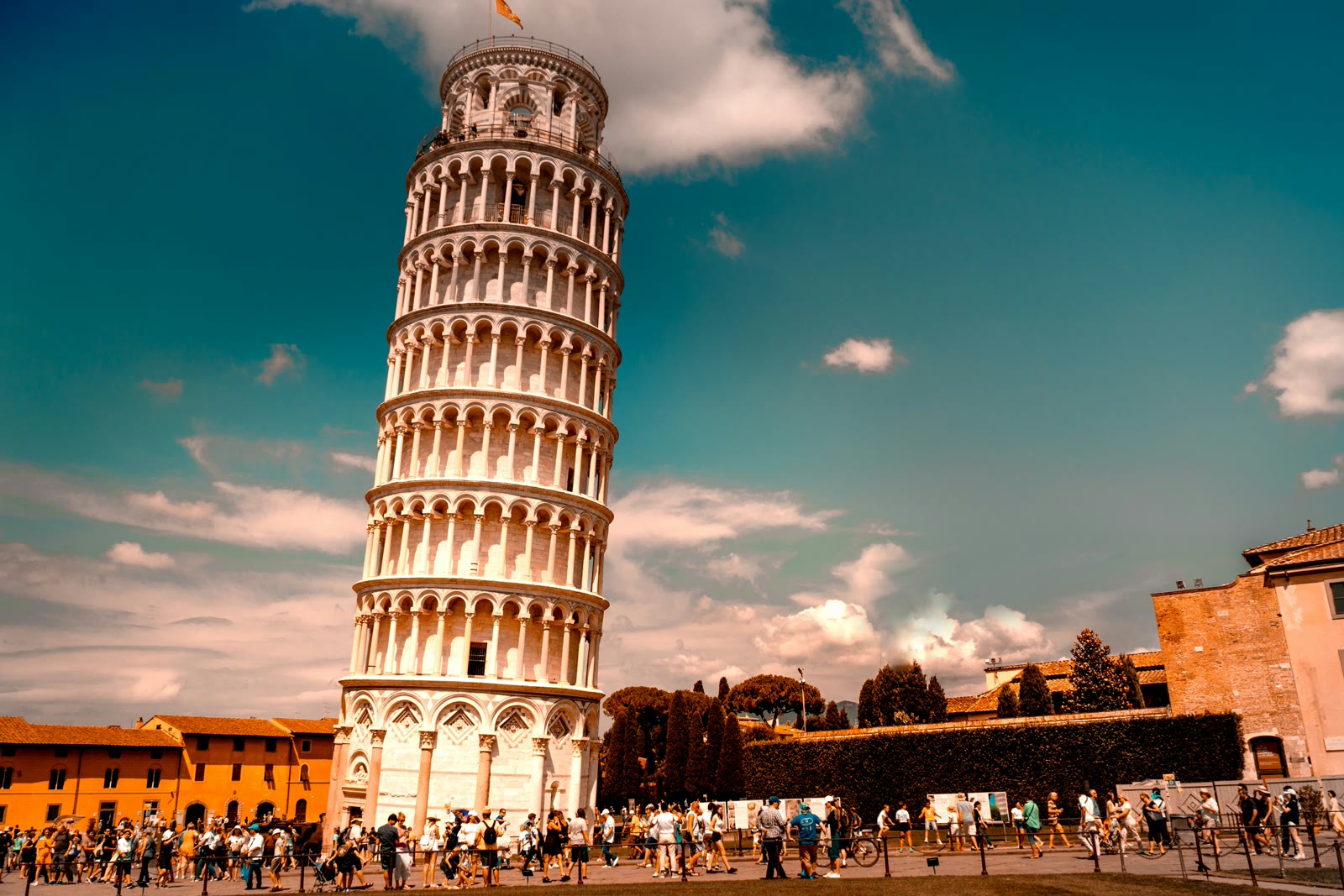
Founded as a maritime republic alongside Venice, Genoa, and Amalfi, Pisa was a Mediterranean naval power from the 11th to 13th centuries. The wealth from that era funded the Piazza dei Miracoli, the UNESCO-listed square that contains the Leaning Tower, Cathedral, Baptistery, and Camposanto. The city today mixes architectural grandeur around the Tower with a lived-in university town south of the Arno, where the best food and drink hide in the alleys around Piazza delle Vettovaglie. With the airport 2 km away and frequent trains to Florence (50 minutes), Lucca (25 minutes), and the Cinque Terre coast, Pisa works as both a destination and a Tuscan base for day trips.
Pisa Climate at a Glance
Pisa’s Mediterranean climate brings four distinct seasons. Summers are hot, with July and August averaging 29 to 30 degrees C (84 to 86 degrees F) and just 25 to 45 mm of monthly rain. Winters are mild but wet: January highs average 11 degrees C (52 degrees F) with 74 mm of rain over 11 days. Spring (April to May) and autumn (September to early October) are the best seasons for sightseeing, with temperatures between 18 and 25 degrees C (64 to 77 degrees F). The wettest months are October and November, each receiving over 110 mm. Snow is extremely rare, occurring perhaps once per decade. The full breakdown by month is in the detailed Pisa weather by month guide.
Pisa Through the Seasons
- Spring (March to May): 15 to 22 degrees C (59 to 72 degrees F). Green countryside, Easter crowds in April, beautiful light on the marble monuments. The best season for photography and walking.
- Summer (June to August): 26 to 30 degrees C (79 to 86 degrees F). The Luminara festival on June 16 is the year’s highlight. July and August are hot, busy, and expensive. The sea at Marina di Pisa reaches 25 degrees C (77 degrees F) in August.
- Autumn (September to November): 14 to 25 degrees C (57 to 77 degrees F). September is excellent, October and November are wet (110+ mm monthly). The Internet Festival in October draws tech crowds.
- Winter (December to February): 10 to 12 degrees C (50 to 54 degrees F). Low crowds, low prices, Christmas markets in December. The Tower without queues and hotel rates from 60 euros per night. Museums are free on the first Sunday of each month.
Complete Pisa Travel Guides
- Pisa Weather by Month: detailed monthly breakdown with temperatures, rainfall, sun hours, humidity, and a comparison table. Includes practical advice on what to pack and how the weather affects sightseeing.
- Best Time to Visit Pisa: optimal windows for weather, budget, and avoiding crowds. Date ranges for events, price comparisons by season, and which months to avoid.
- Things to Do in Pisa: the Leaning Tower, Cathedral, Baptistery, Camposanto, San Matteo museum, Keith Haring mural, botanical gardens, and riverside walks. Ticket prices, hours, and booking tips for each.
- Pisa Events and Festivals: Luminara di San Ranieri (June 16), Gioco del Ponte (last Saturday of June), Regata di San Ranieri, Internet Festival, Christmas markets, and the Pisan New Year in March.
- Pisa Neighborhoods: Piazza dei Miracoli area, the university quarter around Sant’Anna, the commercial centre south of the Arno, the nightlife hub of Piazza delle Vettovaglie, and the practical station district.
- Where to Stay in Pisa: area-by-area breakdown with 3 specific hotel recommendations per district (luxury, mid-range, budget). All Booking.com links verified for 2026.
- Pisa Travel Tips and FAQ: airport transport, getting around, tipping, tap water, Tower booking strategy, dress codes, safety, day trips to Lucca and Cinque Terre, and the most common visitor questions answered.
Pisa Quick Facts
- Warmest month: July, average high 30 degrees C (86 degrees F)
- Coldest month: January, average low 2 degrees C (36 degrees F)
- Wettest month: October, 120 mm over 12 days
- Driest month: July, 25 mm over 4 days
- Best months for sightseeing: April to mid-June and September
- Cheapest months: January and February (hotels from 60 euros/night)
- Annual sunshine: Approximately 2,400 hours
- Nearest beach: Marina di Pisa, 12 km (20 minutes by bus), sea temperature 25 degrees C in August
Suggested Hotels in Pisa
Grand Hotel Duomo
A 4-star hotel with a rooftop terrace offering direct views of the Leaning Tower and cathedral dome. The 82 rooms are classic Italian style with marble bathrooms, located a 2-minute walk from the Piazza dei Miracoli. Best for couples and first-time visitors who want the Tower view from their breakfast table. Check rates and availability
Hotel Bologna
A family-run 4-star hotel in a historic palazzo with a courtyard garden for breakfast. Located between the station and the Arno, a 12-minute walk from the Tower, with 68 rooms blending antique Tuscan furniture and modern bathrooms. Best for families and couples wanting personal service and a quiet central location. Check rates and availability
Royal Victoria Hotel
Pisa’s oldest hotel (opened in 1837) on the Arno riverfront. Antique furniture, high ceilings, and historic character at budget-friendly rates. A 10-minute walk to the Tower along the riverside. Best for travelers who value character and central location over modern luxury. Check rates and availability
