
This post may contain affiliate links. If you purchase through them, I may earn a small commission at no extra cost to you. Thanks for supporting our small business.
San Francisco’s weather is defined by its geography: cold ocean currents generate persistent fog, hills create microclimates, and the Mediterranean pattern means wet, mild winters and dry summers that are cooler than most visitors expect. This month-by-month guide breaks down temperatures, rainfall, fog patterns, and what each month actually feels like on the ground so you can plan accordingly.
San Francisco Climate Overview
San Francisco’s climate is honestly unlike anywhere else in California, or most of America, for that matter. While cities just 30 miles inland experience scorching 95°F (35°C) summer days, San Francisco sits comfortably in the mid-60s°F (18-19°C), wrapped in its signature fog. The city experiences long, comfortable, dry summers and short, cool, wet winters. Yes, you read that right, summer is the dry season here, which feels backward if you’re coming from most other places.
The secret to San Francisco’s unusual weather? The Pacific Ocean’s cold California Current flows right past the city, functioning like a massive natural air conditioner. This cold water keeps temperatures moderate year-round but also creates the famous fog that rolls through the Golden Gate and blankets neighborhoods, especially during summer months.
Temperature ranges are remarkably stable, the average low is around 45°F (7°C) in winter and 57°F (14°C) in summer, while highs range from 57°F (14°C) in winter to 72°F (22°C) in September. If you’re expecting typical California beach weather with hot, sunny days, you might be disappointed. San Francisco is cool and often foggy, especially in summer.
Rainfall patterns follow a Mediterranean schedule, wet winters and bone-dry summers. The city receives about 19 inches (490mm) of precipitation annually, with nearly all of it falling between November and March. From June through September, rain is essentially nonexistent. You’re far more likely to need a jacket for fog and wind than an umbrella during summer visits.
The city’s microclimates create dramatic weather variations within just a few miles. The western neighborhoods near Ocean Beach can be 10-15 degrees cooler and foggier than the Mission District or other inland areas. Understanding these patterns helps you plan better and pack appropriately for your San Francisco adventure.
January Weather in San Francisco
January is the heart of San Francisco’s winter, and it’s when the city experiences its coolest, wettest conditions. Average high temperatures reach about 57°F (14°C), while nighttime lows dip to around 46°F (8°C). But don’t let these mild numbers fool you, San Francisco’s winter feels colder than the thermometer suggests because of the damp ocean air and persistent wind.
Temperature
The daytime temperatures hover in the mid-50s°F (12-14°C), which might sound pleasant if you’re coming from a place with actual winter. However, the combination of wind, humidity
that penetrating ocean dampness creates a chill that gets into your bones. On the coldest nights, temperatures can drop to around 36-39°F (2-4°C), though frost is rare in the city proper. The coldest temperature ever recorded in January was just below freezing at 28°F (-2°C), but such extremes are exceptionally rare.
Occasionally, warmer days surprise you with temperatures reaching the low 60s°F (16-18°C), offering a preview of spring. These pleasant winter days are perfect for exploring without the summer crowds.
Rainfall & Humidity
January brings significant rainfall, about 3.9 inches (100mm) spread across roughly 12 rainy days. This isn’t typically the torrential downpour kind of rain; instead, expect steady drizzle and overcast skies that can last for days. Humidity averages around 79%, which combined with the cool temperatures creates that characteristic San Francisco dampness.
Unlike cities with dramatic weather swings, San Francisco’s January rain tends to arrive in systems that settle in for extended periods. You might experience several consecutive gray, drizzly days, then enjoy a stretch of crisp, clear weather. The rain is gentle but persistent, you’ll want waterproof gear, not just an umbrella.
Wind & Sunshine
Wind speeds average about 7 mph (11 kph), but coastal areas and hilltops experience stronger gusts. The wind amplifies the cold, especially if you’re walking across exposed areas like the Golden Gate Bridge or along the Embarcadero. Despite the rain, January offers about 6 hours of sunshine daily. When the sun breaks through, the light is beautiful, crisp and clear, perfect for photography.
Daylight hours are limited, with sunrise around 7:20 AM and sunset around 5:15 PM, giving you roughly 10 hours of daylight. The short days mean you’ll want to maximize your outdoor activities during mid-day hours when temperatures peak.
What to Pack for January
Layering is essential for San Francisco in January. Start with a waterproof jacket or raincoat as your outer shell, this is non-negotiable. Underneath, pack warm layers including sweaters, long-sleeve shirts, and perhaps a fleece. The key is versatility, you’ll move between outdoor dampness and indoor warmth constantly.
Footwear matters significantly. Bring waterproof, comfortable walking shoes or boots with good traction. San Francisco’s hills become slippery when wet, and you’ll be doing plenty of walking. A warm scarf, gloves for particularly cold or windy days, and a hat that can handle rain will keep you comfortable.
Don’t forget an umbrella, though locals often skip them in favor of waterproof jackets with hoods, the wind can render umbrellas useless on exposed streets. Jeans or warm pants work better than shorts, and you’ll appreciate having options for both casual and slightly dressier occasions.
Things to Do in San Francisco in January
January is an excellent time for indoor cultural activities and taking advantage of post-holiday calm. Museums shine in January weather, the San Francisco Museum of Modern Art (SFMOMA), the California Academy of Sciences, the de Young Museum, and the Exploratorium all provide hours of climate-controlled exploration. Museum crowds are lighter after the holiday rush, and you can take your time without the summer tourist masses.
Dining experiences take center stage in winter. San Francisco’s world-class restaurant scene welcomes you with warm interiors and incredible food. This is the perfect time to indulge in extended meals at places you might not get into during peak season. The Ferry Building Marketplace offers indoor browsing with artisan foods, and Chinatown’s restaurants serve warming dim sum and noodle soups.
Theater and performance venues offer full schedules, check out shows at the Curran Theatre, the Orpheum, or smaller venues throughout the city. The symphony, opera, and ballet are all in full swing during winter months.
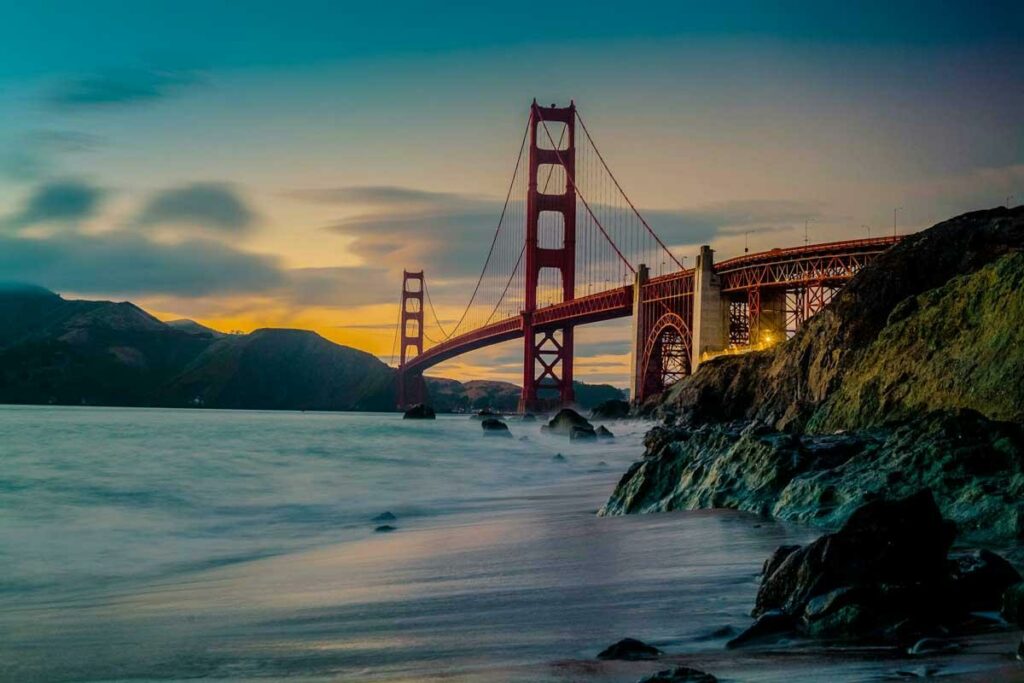
If you catch a clear day between rain systems, take advantage immediately. The views from Twin Peaks or Coit Tower are spectacular after rain clears the air. Golden Gate Park remains beautiful even in winter, though dress warmly for walks. The sea lions at Pier 39 are always entertaining regardless of weather, and the covered promenade provides some protection from wind and rain.
January restaurant week (SF Dine About Town) typically occurs late in the month, offering prix-fixe menus at hundreds of restaurants, excellent for food lovers on a budget. Winter sales at Union Square shops provide good deals after the holidays. And if you’re lucky enough to experience one of San Francisco’s rare clear, sunny winter days, the city looks absolutely magical with crisp air and brilliant light.
February Weather in San Francisco
February continues San Francisco’s winter pattern, though you’ll start noticing subtle shifts toward spring. Average high temperatures climb slightly to 61°F (16°C), with lows around 48°F (9°C). The city sheds some of winter’s dreariest days, and the increasing daylight brings renewed energy. February offers San Francisco at its most local, fewer tourists, authentic city rhythms, and opportunities to experience the real Bay Area.
Temperature
Daytime temperatures in February show noticeable improvement over January, regularly reaching the upper 50s to low 60s°F (15-17°C). On warmer days, particularly toward month’s end, you might enjoy temperatures in the mid-60s°F (18-19°C), pleasant enough for comfortable walking without heavy layers. Nights remain cool at around 48°F (9°C), though the coldest nights can still drop to around 39°F (4°C).
The “feels like” temperature remains cooler than actual readings due to wind and ocean proximity. Mornings often start cloudy and cool, then improve as the day progresses. Late February occasionally delivers gorgeous preview days of spring weather with clear skies and mild temperatures that remind you why people fall in love with San Francisco.
Rainfall & Humidity
February brings about 3.7 inches (95mm) of rain across approximately 11 rainy days. This makes it one of the wetter months, though slightly less rainy than December and January. The rain tends to come in waves, a storm system moves through, brings a few days of rain, then clears out for several days of pleasant weather.
Humidity averages around 76%, creating that characteristic San Francisco dampness. The air feels moist even on non-rainy days. However, when high-pressure systems settle in, you’ll experience crisp, dry days with exceptional visibility, these are the days when the Golden Gate Bridge photographs beautifully and distant mountains become visible.
Wind & Sunshine
February’s winds pick up slightly compared to January, averaging around 8.5 mph (14 kph). The wind remains noticeable, particularly in exposed locations like Ocean Beach, the Marina, or crossing the Golden Gate Bridge. Coastal walks require wind-resistant clothing.
The good news? Sunshine increases to about 7.5 hours daily. The sun sits higher in the sky, and when it appears, it feels genuinely warm. Daylight extends noticeably, with sunrise around 7:00 AM and sunset approaching 6:00 PM by month’s end. The extra daylight makes the city feel less gloomy than January.
What to Pack for February
February packing mirrors January but with slightly lighter options. You still need a waterproof jacket, but you might not need the heaviest layers. Versatile mid-weight clothing works best, long-sleeve shirts, a warm sweater or fleece, and comfortable jeans or pants.
Waterproof walking shoes remain essential. San Francisco’s hills stay slippery after rain, and you’ll walk miles exploring the city. A scarf provides warmth and wind protection, while a warm hat helps on particularly cold or windy days.
Bring both cool and slightly warmer weather options. February’s weather can swing from rainy and 55°F (13°C) to sunny and 65°F (18°C) within days. Layering lets you adapt quickly to changing conditions. An umbrella or waterproof jacket with a good hood handles the rain, and sunglasses become useful on clear days when the winter sun reflects brightly.
Things to Do in San Francisco in February
Lunar New Year celebrations transform San Francisco’s Chinatown, one of the largest and most authentic Chinese communities in North America. The Golden Dragon Parade typically occurs in February (date varies with the lunar calendar), featuring elaborate costumes, firecrackers, and cultural performances. Chinatown’s streets fill with decorations, special menus appear in restaurants, and the neighborhood buzzes with festive energy.
SF Sketchfest brings comedians, actors, and performers to venues throughout the city for one of the largest comedy festivals in the country. If you appreciate humor, February offers incredible live comedy opportunities.
SF Beer Week attracts craft beer enthusiasts with special releases, brewery events, and tastings throughout the Bay Area. For beer lovers, this is a highlight month with unique access to limited releases and meet-the-brewer events.
Museum and gallery hopping remains ideal in February weather. Explore the Legion of Honor for European art and stunning views across the Golden Gate, visit the Asian Art Museum, or spend hours at the California Academy of Sciences with its aquarium, planetarium, and rainforest dome. The Presidio’s museums and trails offer both indoor and outdoor options depending on weather.
Restaurant exploration thrives in February. Make reservations at places like State Bird Provisions, Gary Danko, or any of the city’s many incredible eateries, you’ll have better luck than in peak summer season. The Ferry Building’s farmers market runs year-round on Saturdays, offering fresh produce and artisan foods even in winter.
If weather cooperates, take advantage of clear days for outdoor activities. Hike the Lands End trail for dramatic coastal views, walk across the Golden Gate Bridge (dress warmly!), or explore the neighborhoods, Haight-Ashbury, the Castro, North Beach, on foot. February’s smaller crowds make popular spots more enjoyable.
March Weather in San Francisco
March marks the beginning of spring in San Francisco, though the transition is gradual and sometimes reluctant. Average high temperatures reach 64°F (18°C), with lows around 50°F (10°C). The city starts shaking off winter’s wettest weather, and you’ll notice more sunshine, blooming flowers, and increasing warmth. March offers an excellent balance, fewer tourists than summer, improving weather, and spring energy throughout the city.
Temperature
March temperatures show real improvement, with daytime highs regularly in the low to mid-60s°F (16-18°C). On particularly nice days, temperatures can push into the upper 60s°F (20°C) or even low 70s°F (21-23°C), offering genuine warmth. These warmer days often occur when weather systems from the south bring brief heat spells.
Early March can still feel winter-like, with cool, damp days in the mid-50s°F (12-14°C). By late March, however, spring asserts itself more consistently. Nighttime lows hover around 50°F (10°C), occasionally dipping to the mid-40s°F (7-8°C) on cooler nights. The temperature variability means packing for a range of conditions is smart.
The “feels like” temperature improves as sunshine increases. While mornings remain cool, afternoons can feel genuinely pleasant, especially in the city’s sunnier microclimates like the Mission District or Potrero Hill.
Rainfall & Humidity
March receives about 2.6 inches (65mm) of precipitation across 11 rainy days. This marks a significant decrease from winter’s peak wetness, though rain remains common. The character of rain shifts, instead of multi-day soaking systems, you’re more likely to experience scattered showers interspersed with sunny periods.
Humidity drops to around 74%, making the air feel slightly less damp than winter months. When high-pressure systems build in, you’ll enjoy crisp, clear days with low humidity and exceptional visibility. These are the days when San Francisco’s natural beauty fully displays itself, clear views of the bay, mountains, and surrounding landscapes.
March rain is unpredictable. You might experience a week of beautiful spring weather followed by a late-season storm that reminds you winter isn’t quite finished. Flexibility in planning helps you make the most of good weather days while having indoor alternatives ready for rainy periods.
Wind & Sunshine
March brings increasingly noticeable winds, averaging about 10 mph (16 kph). This marks the beginning of San Francisco’s windier spring season. Coastal areas, the western neighborhoods, and exposed locations like Twin Peaks experience stronger gusts. The wind, combined with still-cool temperatures, means windbreakers or jackets remain useful even on sunny days.
Sunshine increases significantly to about 8.5 hours daily. The sun’s angle rises, creating warmer, more pleasant daytime conditions. When the sun emerges, it feels genuinely warm, perfect for outdoor dining or park visits.
Daylight expands notably, reaching 12 hours by the spring equinox around March 20. Sunrise occurs around 6:15 AM, with sunset around 6:15 PM by month’s end. The equal day-night length marks the official transition to spring, and you’ll feel the difference in energy as longer days allow more exploration time.
What to Pack for March
March demands versatile packing. Layers are your best strategy, the weather can shift from cool and damp to warm and sunny within hours. Pack a mix of short and long-sleeve shirts, a warm sweater or fleece for cool moments, and a light jacket or windbreaker for wind protection.
A waterproof layer remains important, though you’ll likely need it less than in winter months. Rain can still arrive, so having protection makes sense. Comfortable walking shoes are essential year-round in San Francisco, and March’s variable weather means shoes that handle both dry and damp conditions work best.
Jeans or pants provide versatility, though you might also pack one pair of shorts for unexpectedly warm days. A light scarf adds warmth when needed and packs easily. Sunglasses and sunscreen become more important as sunshine increases, even on cool days, the sun’s intensity grows.
Consider packing clothes in neutral layers that mix and match easily. You’ll dress differently for a foggy morning walk than for an afternoon in the sunny Mission District, so having options helps you stay comfortable throughout the day.
Things to Do in San Francisco in March
Outdoor activities become increasingly appealing as weather improves. Golden Gate Park bursts into spring bloom with flowers appearing throughout the park’s gardens. The Japanese Tea Garden showcases cherry blossoms and spring foliage, visiting in March lets you enjoy these blooms without summer crowds. The park’s trails, meadows, and attractions like the de Young Museum and California Academy of Sciences offer full days of exploration.
Walking tours and neighborhood exploration work wonderfully in March weather. Explore the Mission District’s vibrant murals and food scene, walk through North Beach’s Italian cafes and City Lights Bookstore, or discover the Victorian homes of Alamo Square and Pac Heights. The moderate temperatures make walking comfortable without summer heat or winter rain dampening the experience.
The Golden Gate Bridge walk is magnificent in March. Yes, it’s windy, but the crisp air often brings excellent visibility. Dress warmly in layers, and you’ll be rewarded with spectacular views. Consider walking from the San Francisco side to Vista Point in Marin, then taking the ferry back from Sausalito, a perfect day trip.
Food and drink experiences thrive year-round in San Francisco, and March is excellent for exploring. The Ferry Building Marketplace offers artisan foods and Saturday farmers markets. Food trucks gather at Fort Mason and other locations. March weather makes outdoor dining pleasant at restaurants with patios or sidewalk seating, particularly in the Mission, Hayes Valley, or North Beach.
Cultural events include St. Patrick’s Day celebrations, particularly in bars and restaurants throughout the city (San Francisco’s Irish community ensures festive celebrations). The SF International Ocean Film Festival typically occurs in March, showcasing environmental and ocean-themed documentaries.
Wine country day trips become increasingly attractive as spring arrives in Napa and Sonoma valleys. March brings fewer tourists than summer, and the vineyards are beautiful as vines begin leafing out. Book a wine tour or drive yourself for tastings in less crowded conditions.
April Weather in San Francisco
April delivers genuine spring to San Francisco, and it’s one of the most pleasant months to visit the city. Average high temperatures reach 66°F (19°C), with lows around 51°F (11°C). The rain diminishes significantly, sunshine increases, and the city awakens with blooming flowers, outdoor events, and renewed energy. April strikes an excellent balance, comfortable weather, manageable crowds, and spring beauty throughout the Bay Area.
Temperature
April temperatures are genuinely pleasant, regularly reaching the mid to upper 60s°F (18-20°C) during the day. Warmer days can push into the low 70s°F (21-23°C), particularly in the city’s sunnier microclimates like the Mission, Potrero Hill, or Noe Valley. These neighborhoods, shielded from ocean fog by hills, often experience temperatures 5-10 degrees warmer than the Sunset District or Ocean Beach.
Occasional warm spells bring temperatures into the upper 70s°F (25-27°C) or even low 80s°F (27-29°C), though such heat is unusual. More typically, April delivers consistent, comfortable warmth perfect for outdoor activities without overheating.
Nighttime temperatures average around 51°F (11°C), cool enough for light layers but not uncomfortably cold. The coldest nights might dip to the mid-40s°F (7-8°C), but such cold snaps are rare and brief. Morning fog can linger in western neighborhoods, creating cool starts that burn off by mid-morning as sunshine takes over.
Rainfall & Humidity
Rain decreases dramatically in April to just 1.6 inches (40mm) across approximately 7 rainy days. This marks a significant shift from winter’s wet pattern. When rain occurs, it’s typically brief showers rather than all-day soaking systems. Many days are completely dry, and you’ll experience extended periods of sunshine.
Humidity drops to around 70%, making the air feel fresher and more comfortable. The combination of lower humidity and increased sunshine creates ideal conditions for outdoor exploration. When fog does appear (usually mornings in western areas), it generally burns off by afternoon, revealing blue skies.
April’s reduced rainfall means you can plan outdoor activities with more confidence. While keeping a light rain layer handy makes sense, you’re unlikely to experience the persistent wet weather of winter months.
Wind & Sunshine
April brings San Francisco’s windiest conditions, averaging about 13 mph (20 kph). These spring winds are noticeable, coastal areas, the Marina, and locations near the Golden Gate experience strong afternoon breezes. The wind serves a purpose, though, it clears fog and pollution, creating those crystal-clear days with infinite visibility.
Sunshine reaches about 10.5 hours daily. The sun feels genuinely warm now, and outdoor activities become increasingly pleasant. When you combine April’s sunshine with moderate temperatures, you get ideal sightseeing weather.
Daylight extends to about 13 hours, with sunrise around 6:30 AM and sunset approaching 7:30 PM. The long days give you plenty of time to explore both the city and surrounding areas without feeling rushed.
What to Pack for April
April packing becomes easier as weather stabilizes. Layers remain important, but you’ll need lighter options than winter months. Pack t-shirts, long-sleeve shirts, a light sweater, and a windbreaker or light jacket. The wind makes having a windproof outer layer valuable, especially if you’re walking the Golden Gate Bridge, exploring coastal trails, or spending time near the water.
Comfortable walking shoes are essential, you’ll want to be outside enjoying April’s pleasant weather. Shoes that handle both urban walking and light trails work well if you plan any hiking. Jeans or casual pants work for most occasions, and you might pack shorts for particularly warm days or indoor activities.
Sunglasses and sunscreen become important as sunshine increases and the sun’s angle intensifies. Even on cool days, UV exposure increases significantly. A light hat or cap provides sun protection and helps manage wind.
A very light rain jacket or packable umbrella offers insurance against brief showers, but you’ll likely use it far less than in winter months. April’s weather generally cooperates with outdoor plans, so pack with confidence for sun and mild temperatures.
Things to Do in San Francisco in April
Outdoor exploration peaks in April’s favorable weather. Golden Gate Park is magnificent, the Botanical Garden showcases spring blooms, meadows are green, and trails invite walking or biking. Rent a bike and explore the park from end to end, or walk specific areas like Stow Lake or the Conservatory of Flowers.
The Golden Gate Bridge and Presidio offer spectacular experiences in April weather. Walk or bike the bridge (bundle up for wind!), then explore the Presidio’s trails, batteries, and viewpoints. The Presidio’s forests and coastal bluffs are beautiful in spring. Andy Goldsworthy’s tree sculptures and the Presidio Tunnel Tops park provide unique stops.
Outdoor dining and drinking become delightful in April. Restaurants with patios, rooftop bars, and sidewalk seating fill with locals emerging from winter. The Mission District’s Valencia Street corridor offers numerous options. Visit Dolores Park on warm afternoons, it’s San Francisco’s premier outdoor gathering spot with food vendors, sunshine, and spectacular city views.
Cherry blossoms bloom throughout the city in April. The Japanese Tea Garden in Golden Gate Park displays beautiful blooms, while Japantown hosts the Northern California Cherry Blossom Festival, typically mid-April, with parades, performances, and cultural events. The Presidio’s cherry trees also bloom beautifully.
Bay cruises and ferry rides are wonderful in April’s clear weather. Take a ferry to Sausalito or Tiburon, ride to Alcatraz, or book a sunset cruise under the Golden Gate Bridge. The mild weather and good visibility make water activities particularly enjoyable.
Wine country trips are ideal in April. Napa and Sonoma vineyards are green and flowering, temperatures are perfect for wine tasting, and crowds remain manageable before summer tourism peaks. Book a guided tour or drive yourself through the valleys.
Festivals and events include Earth Day celebrations at the Palace of Fine Arts, SF International Film Festival (one of the longest-running film festivals in the Americas), and various neighborhood street fairs. April’s weather supports outdoor events that fill weekends with activities.
May Weather in San Francisco
May is arguably one of San Francisco’s best months, comfortable temperatures, minimal rain, abundant sunshine, and the city in full spring bloom. Average high temperatures reach 68°F (20°C), with lows around 53°F (12°C). May delivers consistent pleasant weather before summer fog rolls in, making it ideal for visitors who want to experience San Francisco at its most comfortable.
Temperature
May temperatures are wonderfully consistent, with daytime highs regularly in the upper 60s to low 70s°F (19-22°C). Warmer days can reach the mid-70s°F (24°C), particularly in inland neighborhoods. Occasionally, heat spells push temperatures into the low 80s°F (27-29°C), offering a taste of true California warmth.
The city’s microclimates become more pronounced in May. While the Sunset and Richmond districts near Ocean Beach might be 65°F (18°C) with lingering morning fog, the Mission District could be 75°F (24°C) and fully sunny. These temperature variations allow you to choose your weather, head inland for warmth or stay coastal for coolness.
Nighttime temperatures average around 53°F (12°C), cool enough to need a light jacket or sweater but comfortable for evening activities. The coldest nights might dip to around 48°F (9°C), but May’s nights are generally mild and pleasant.
Mornings can start cool with fog in western areas, but by afternoon, most of the city enjoys sunshine and warmth. The reliable pattern of cool mornings and warm afternoons makes planning daily activities straightforward.
Rainfall & Humidity
May is remarkably dry, receiving only about 0.5 inches (12mm) of rain across just 5 rainy days. Rain is rare and usually brief when it occurs, quick showers that pass within minutes or hours. Most days are completely dry, and you’ll often go weeks without seeing rain.
Humidity averages around 70%, comfortable and not oppressive. The air feels fresh, particularly when afternoon breezes arrive. Clear, crisp days with excellent visibility are common, allowing stunning views across the bay and to distant mountains.
May’s dry pattern means you can confidently plan outdoor activities. The chance of rain disrupting your plans is minimal, making this an excellent month for multi-day visits with packed itineraries.
Wind & Sunshine
May remains windy, averaging about 14 mph (22 kph). Spring winds continue strong, particularly in the afternoon in coastal and exposed areas. The Golden Gate Bridge, Ocean Beach, and the Marina experience significant breezes. While the wind requires windproof clothing, it also keeps the air clear and provides cooling on warmer days.
Sunshine reaches about 10.5 hours daily. Long, sunny afternoons are the norm. The morning fog that affects western neighborhoods typically burns off by midday, leaving most of the city bathed in sunshine.
Daylight extends to nearly 14 hours, with sunrise before 6:00 AM and sunset after 8:00 PM. The extended daylight gives you maximum time to explore, you can pack early morning activities, full day excursions, and evening events all into one day without feeling rushed.
What to Pack for May
May packing is relatively straightforward. Light layers work best, t-shirts for warm afternoons, a light long-sleeve shirt or sweater for cool mornings and evenings, and a windbreaker for breezy locations. The temperature range isn’t extreme, so you don’t need heavy clothing.
Comfortable walking shoes remain essential. May’s pleasant weather encourages extensive exploration on foot. Casual sneakers or walking shoes handle urban environments and light trails. Sandals work for very warm days, though closed-toe shoes are more practical for varied activities.
Pack mostly casual clothing, jeans or shorts depending on your temperature preference, comfortable shirts, and one slightly nicer outfit if you plan upscale dining or theater. Sunglasses and sunscreen are important, May’s sunshine is strong, and you’ll be outside frequently.
A light jacket or hoodie handles cool mornings, evenings, and wind. Rain gear is optional, the chance of significant rain is low, though having a packable rain jacket provides insurance. A day pack for carrying layers as temperatures change throughout the day is useful.
Things to Do in San Francisco in May
Outdoor activities are spectacular in May. This is the perfect month for the Golden Gate Bridge walk, comfortable temperatures, generally good visibility, and long daylight hours. Cross to Marin, explore the headlands, and return by ferry from Sausalito for an iconic San Francisco day.
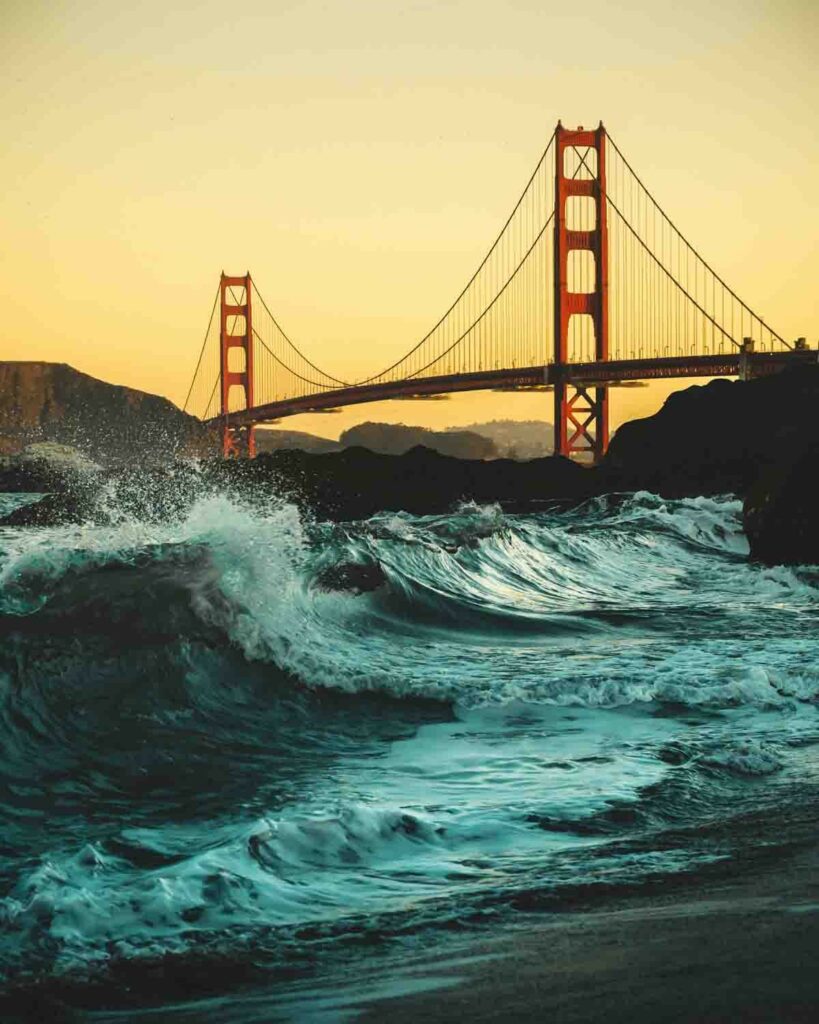
Beach visits become viable in May, though water temperatures remain cold. Ocean Beach, Baker Beach (with Golden Gate Bridge views), and Crissy Field Beach offer sand, waves, and sunshine. Bring layers, coastal areas stay cooler, and wind requires windbreakers even on warm days.
Golden Gate Park is magnificent in May, full spring bloom without summer crowds. Rent bikes at the park entrance and ride through to Ocean Beach, stopping at the Japanese Tea Garden, Conservatory of Flowers, Botanical Garden, and various meadows and lakes. The park’s Sunday “Slow Streets” program closes main roads to cars, creating perfect biking and skating conditions.
Neighborhood festivals begin appearing. Bay to Breakers (typically late May) is San Francisco’s iconic 12K footrace with costumed participants creating a moving party from downtown to Ocean Beach. Carnaval San Francisco (Mission District, often Memorial Day weekend) celebrates Latin and Caribbean cultures with a massive parade, music, and street food.
Wine country trips remain excellent in May. Temperatures in Napa and Sonoma are warm but not hot, vineyards are lush and green, and crowds are manageable. Book tastings, enjoy vineyard picnics, and explore wine country towns like Healdsburg or Yountville.
Outdoor dining thrives in May. Sidewalk cafes, restaurant patios, and rooftop bars fill with locals and visitors enjoying pleasant weather. The Mission District’s Valencia Street, Hayes Valley, and North Beach all offer excellent outdoor dining. Dolores Park draws crowds on warm weekend afternoons, grab takeout and join locals on the grass.
Alcatraz tours are wonderful in May’s clear weather. Book well in advance (often sold out weeks ahead) and enjoy the ferry ride and island exploration in comfortable conditions. Angel Island ferry trips offer hiking and biking with spectacular bay views.
Outdoor concerts and events increase in May. Golden Gate Park and various venues begin hosting live music. Memorial Day weekend brings festivals, parties, and events throughout the city, unofficially launching summer season.
June Weather in San Francisco
June marks the beginning of San Francisco’s famous fog season, and the city’s weather takes a counterintuitive turn. While the rest of California heats up, San Francisco actually cools down as marine fog rolls through the Golden Gate. Average high temperatures reach only 70°F (22°C), with lows around 54°F (12°C). If you’re expecting traditional California beach weather, June will surprise you, but understanding and embracing the fog is part of the authentic San Francisco experience.
Temperature
June temperatures actually decrease compared to May, a phenomenon that confuses many visitors. Daytime highs typically reach the upper 60s to low 70s°F (19-22°C), though the city’s microclimates create significant variations. The Sunset District and Richmond near Ocean Beach might struggle to reach 60°F (16°C) on foggy days, while the Mission District enjoys 75°F (24°C) sunshine.
Occasional warm spells bring temperatures into the upper 70s or low 80s°F (25-29°C), particularly when weather patterns push the fog offshore. These rare warm days surprise locals and visitors alike, but don’t count on them. More typically, June delivers consistent coolness, especially in fog-prone western neighborhoods.
Nighttime temperatures average around 54°F (12°C), cool enough to require a jacket or sweater. The coldest nights drop to around 50°F (10°C). Summer visitors from warmer climates often underestimate June’s coolness and end up buying sweatshirts from tourist shops, a San Francisco tradition.
The infamous fog pattern creates dramatic microclimates. You might wake to dense fog at your hotel near Ocean Beach, drive 15 minutes to the Mission District, and find completely different weather, sunny and 15 degrees warmer. Understanding this helps you plan activities in the right locations.
Rainfall & Humidity
June is remarkably dry, receiving only about 0.14 inches (4mm) of precipitation across approximately 2 rainy days. Rain is extremely rare, when it occurs, it’s usually light drizzle associated with fog, not actual storms. You’re far more likely to encounter fog than rain in June.
Humidity averages around 69%. The marine layer brings moisture, though it manifests as fog rather than muggy air. When fog blankets the city, everything feels damp even without rain, surfaces become slick with condensation, and the air feels heavy.
The fog itself becomes the dominant weather feature. Mornings often start with thick fog in western and northern neighborhoods, sometimes extending across the entire city. By afternoon, some areas clear while others remain socked in. Evening brings the fog back, particularly to western neighborhoods and the Golden Gate Bridge area.
Wind & Sunshine
June continues windy conditions, averaging about 14 mph (22 kph). Coastal areas and the Marina experience strong afternoon winds, the same forces that bring fog also drive wind. The Golden Gate Bridge area is particularly windy; crossing on foot requires windproof layers.
Despite the fog, sunshine reaches about 10.5 hours daily on average. This averages sunny and foggy areas together. Eastern and southern neighborhoods enjoy substantial sunshine, while western areas might remain gray all day. The sun, when it appears, feels warm and pleasant.
Daylight peaks near the summer solstice (around June 21), giving you nearly 15 hours of light. Sunrise occurs before 5:45 AM, with sunset after 8:30 PM. The extended daylight is wonderful for packing in activities, though the cool temperatures persist even with long days.
What to Pack for June
June packing requires understanding that San Francisco summer is unlike anywhere else. Layers are absolutely essential, this is San Francisco’s most notorious month for unprepared visitors freezing in shorts and t-shirts.
Pack for cool, windy conditions. A warm jacket or hoodie is non-negotiable, you’ll wear it frequently. Long pants (jeans work perfectly) are more practical than shorts. Long-sleeve shirts, a warm sweater or fleece, and a windproof outer layer create versatile options for varying temperatures and wind.
Closed-toe shoes rather than sandals make sense given the cool temperatures. Comfortable walking shoes that handle both urban environments and potential fog dampness work well.
Sunglasses and sunscreen remain important, when the sun appears, it’s strong. A scarf or buff provides neck warmth in wind. Consider bringing a beanie or warm hat for particularly foggy, windy days.
The key strategy: pack as if visiting Seattle in October rather than Los Angeles in June. If you want beach weather, visit San Francisco in September or October, not June. Or simply head inland to the Mission, Potrero Hill, or Noe Valley where the fog doesn’t reach and temperatures run 10-15 degrees warmer.
Things to Do in San Francisco in June
Embrace the fog as part of San Francisco’s character. The fog creates moody, atmospheric conditions perfect for photography. The Golden Gate Bridge emerging from fog banks is iconic. Walk or drive to vista points like Battery Spencer or Hawk Hill in the Marin Headlands for spectacular fog views.
Pride Month makes June one of San Francisco’s most festive times. The city’s LGBTQ+ community celebrates all month with events, parties, and the massive Pride Parade typically the last Sunday of June. Rainbow flags appear throughout the city, particularly in the Castro District. The parade draws hundreds of thousands of participants and spectators, it’s one of San Francisco’s premier events.
Outdoor festivals include Stern Grove Festival, which begins its free Sunday concert series in June. Bring blankets and picnic food to this gorgeous eucalyptus grove for live music. North Beach Festival celebrates Italian-American culture with food, music, and art.
Neighborhood exploration works wonderfully in June. Focus activities in sunnier microclimates, explore the Mission District’s murals, shops, and restaurants when fog blankets western neighborhoods. North Beach’s cafes, bakeries, and City Lights Bookstore provide atmospheric indoor-outdoor options. Haight-Ashbury’s vintage shops and historic hippie culture make for interesting walks.
Museums and indoor attractions become valuable alternatives when fog persists. SFMOMA, the de Young Museum, the Exploratorium, and the California Academy of Sciences all provide full days of climate-controlled exploration. The Asian Art Museum, Legion of Honor, and Museum of the African Diaspora offer cultural depth.
Wine country escapes are perfect in June. While San Francisco sits in fog, Napa and Sonoma valleys often enjoy warm, sunny weather. Day trips or overnight stays in wine country provide a complete contrast to San Francisco’s cool fog, you’ll return appreciating the city’s natural air conditioning.
Theater and performances run year-round. Check out shows at the Orpheum, Curran, or Golden Gate Theatre. The San Francisco Symphony and Opera have seasons extending into June. Comedy clubs throughout the city offer evening entertainment when you want to escape cool outdoor temperatures.
July Weather in San Francisco
July is peak summer elsewhere in California
in San Francisco, it’s peak fog season. The city reaches its coolest summer temperatures with average highs of just 67°F (20°C) and lows around 54°F (12°C). This is the month when Mark Twain’s famous quote (likely apocryphal) makes perfect sense: “The coldest winter I ever spent was a summer in San Francisco.” If you visit San Francisco in July expecting beach weather, you’ll be surprised, but if you embrace the city’s unique character, you’ll discover why locals love this distinctive climate.
Temperature
July temperatures remain consistently cool, with daytime highs typically in the mid to upper 60s°F (18-20°C). Some days struggle to reach even 60°F (16°C) in fog-bound western neighborhoods. The city’s eastern and southern areas, the Mission, Potrero Hill, Noe Valley, enjoy warmer conditions, often reaching the low to mid-70s°F (21-24°C) when the rest of the city shivers in fog.
Rare heat waves bring dramatically warmer weather when high-pressure systems push the fog offshore. On these unusual days, temperatures can soar into the 80s or even 90s°F (27-35°C), shocking residents accustomed to June and July coolness. However, such heat is brief, typically lasting just one or two days before the fog returns, and not something to count on.
Nighttime temperatures average around 54°F (12°C), occasionally dipping to 50°F (10°C). Summer evenings require warm layers, particularly if you’re in fog-affected areas or planning outdoor activities near the water or parks.
The microclimates reach their most extreme in July. You might experience three different weather zones in a single day: foggy and 58°F (14°C) at Ocean Beach in the morning, sunny and 73°F (23°C) in the Mission District for lunch, then back to fog and 60°F (16°C) in the evening when fog re-advances through the Golden Gate.
Rainfall & Humidity
July is bone-dry, receiving essentially zero rainfall. Any precipitation that occurs is typically drizzle associated with dense fog, not actual storms. You can plan outdoor activities with complete confidence regarding rain, it simply doesn’t happen in July.
Humidity averages around 73%, with the marine layer bringing constant moisture. The fog creates dampness without rain, surfaces feel slick, and the air holds that characteristic San Francisco heaviness. This humidity, combined with cool temperatures, creates the penetrating chill that catches visitors off-guard.
The fog reaches its peak intensity and frequency in July. Western neighborhoods like the Sunset and Richmond can remain completely fogged in for days, never seeing the sun. Karl the Fog (the personified nickname locals use) becomes a constant presence, rolling through the Golden Gate, blanketing the bridge, and spreading across northern and western neighborhoods.
Wind & Sunshine
July winds average around 13 mph (21 kph), remaining strong particularly in the afternoon. The same weather patterns driving the fog also create wind. Coastal areas, the Golden Gate Bridge, and western neighborhoods experience steady, sometimes powerful breezes that amplify the cool temperatures.
Sunshine averages about 10 hours daily, though this figure combines sunny and foggy areas. Eastern neighborhoods enjoy substantial sunshine, while western areas might see minimal sun for extended periods. When sun appears in foggy areas, it’s often brief before the marine layer reasserts itself.
Daylight remains long, nearly 14.5 hours, with sunrise around 5:50 AM and sunset after 8:30 PM. The extended light provides flexibility for activities, though temperatures stay cool even with long days.
What to Pack for July
July packing mirrors June with continued emphasis on warm layers. Do not pack for traditional summer beach weather, that’s the biggest mistake visitors make.
Bring a warm jacket, fleece, or hoodie, you’ll wear it daily. Long pants are more practical than shorts; jeans work perfectly. Long-sleeve shirts, sweaters, and layers that combine well create versatile options as you move between fog-bound and sunny microclimates.
A windproof outer layer is essential, particularly for coastal areas, the Golden Gate Bridge, or evening activities. The wind makes temperatures feel significantly colder than thermometer readings suggest.
Closed-toe shoes remain most practical. While you can certainly wear sandals in sunnier neighborhoods, the cool temperatures make them less comfortable than in typical summer destinations.
Scarves, hats, and even gloves aren’t excessive, many locals wear them in July. If you’re planning evening outdoor activities or early morning walks, warm accessories significantly improve comfort.
Pack sunglasses and sunscreen despite the fog, when sun appears, it’s intense. If you plan visits to warmer microclimates like the Mission District or day trips to wine country, having one or two lighter options (t-shirts) provides flexibility.
Things to Do in San Francisco in July
Focus activities on sunnier microclimates when possible. The Mission District, Potrero Hill, Castro, and Noe Valley typically escape the fog and enjoy pleasant temperatures. Explore these neighborhoods’ streets, shops, cafes, and restaurants on July days.
Indoor attractions become especially valuable in July. The city’s world-class museums, SFMOMA, the de Young, the Exploratorium, California Academy of Sciences, Asian Art Museum, Legion of Honor, provide hours of enjoyable, climate-controlled exploration. July’s cool weather makes museum-hopping particularly pleasant.
The Golden Gate Bridge in fog is iconic and beautiful, though dress very warmly for walks. The fog creates mystical conditions, with the bridge’s towers disappearing into white mist. Photography enthusiasts love July fog conditions. Vista points in the Marin Headlands (Battery Spencer, Hawk Hill) offer spectacular fog perspectives.
Wine country escapes provide dramatic weather contrast. While San Francisco sits under marine layer, Napa and Sonoma valleys often bask in 85-95°F (29-35°C) sunshine. Day trips or overnight stays give you both fog experience and warm summer weather within an hour’s drive.
July 4th celebrations include fireworks displays over San Francisco Bay, typically viewed from waterfront locations. Bundle up warmly, evening fireworks coincide with peak fog and wind. Marina Green, Crissy Field, and various waterfront areas host viewing parties.
Music and cultural events thrive in July. Stern Grove Festival continues free Sunday concerts. San Francisco Shakespeare Festival begins free performances in the Presidio. Various neighborhood festivals and street fairs occur throughout the month, often in the city’s sunnier districts.
Food and drink experiences work wonderfully in July. San Francisco’s restaurant scene operates year-round, and July’s cool weather makes cozy dining particularly appealing. Explore neighborhood restaurants, visit the Ferry Building for artisan foods, or embark on food tours through the Mission, North Beach, or Chinatown.
Shopping takes on appeal when outdoors feels less inviting. Union Square’s department stores, Hayes Valley’s boutiques, Valencia Street’s shops, and Haight Street’s vintage stores offer indoor browsing with occasional forays outside between shops.
Coffee culture thrives in July. San Francisco’s cafe scene is exceptional, and cool weather makes lingering over coffee and pastries particularly enjoyable. Blue Bottle, Ritual Coffee Roasters, Sightglass, and hundreds of neighborhood cafes provide warm, atmospheric spaces.
Perfect! Now I have all the information I need to complete the comprehensive San Francisco weather guide. Let me continue with the remaining months and all additional sections:
August Weather in San Francisco
August extends July’s fog season and continues San Francisco’s coolest summer weather. Average high temperatures remain at 69°F (21°C), with lows around 56°F (13°C). Many visitors find August’s weather pattern frustrating, while the rest of California bakes under intense heat, San Francisco sits stubbornly cool and often foggy. However, locals who endure expensive housing costs justify staying partly because of this natural air conditioning. Understanding August’s weather helps you plan appropriately and find the microclimates where sunshine breaks through.
Temperature
August temperatures mirror July, staying consistently cool with daytime highs typically in the mid to upper 60s°F (18-20°C). Western neighborhoods affected by fog might struggle to reach 65°F (18°C) on particularly foggy days. Meanwhile, the Mission District, Potrero Hill, and other fog-protected areas regularly enjoy 72-75°F (22-24°C) or warmer.
By late August, you might notice subtle warming trends as the fog season begins its slow retreat. Occasional warm days arrive when high-pressure systems temporarily push marine layer offshore, bringing temperatures into the upper 70s or even 80s°F (26-29°C). These pleasant days offer a preview of September’s warmth, though they’re unpredictable and not guaranteed.
Nighttime temperatures average around 56°F (13°C), occasionally dipping to 52°F (11°C). Summer evenings require warm layers, locals layer up significantly for evening activities, especially in fog-prone areas or near the water.
The microclimate differences remain dramatic. You can experience 60°F (16°C) fog at Ocean Beach, drive 20 minutes to the Mission, and find sunny 75°F (24°C) conditions. This allows strategic planning, if fog dominates your neighborhood, head to sunnier districts for afternoon activities.
Rainfall & Humidity
August remains completely dry, receiving just 0.08 inches (2mm) of precipitation across the entire month, essentially zero. Any moisture comes from fog drizzle rather than actual rain. Rain is so unlikely that you can confidently plan outdoor activities without weather backup plans regarding precipitation.
Humidity averages around 73%, maintained by persistent marine layer. The fog creates constant dampness, surfaces stay slick with condensation, and the air feels heavy even without rain. This humidity combined with cool temperatures creates San Francisco’s characteristic summer chill that penetrates clothing and requires warm layers.
August represents peak fog season alongside July. Western neighborhoods can remain completely fogged for consecutive days without seeing direct sunshine. The fog rolls through the Golden Gate in thick banks, engulfs the bridge, and spreads across northern and western districts. Karl the Fog reaches maximum strength and persistence.
Wind & Sunshine
August winds average about 12 mph (19 kph), remaining strong particularly in afternoons. The Golden Gate area, Ocean Beach, and western neighborhoods experience steady breezes that amplify the cool temperatures. The same atmospheric conditions creating fog also drive wind, both are products of temperature differentials between cold ocean and warm inland valleys.
Sunshine averages about 10 hours daily when combining all neighborhoods. This statistic masks significant variations, eastern neighborhoods like the Mission, Castro, and Potrero Hill enjoy substantial sunshine, while the Sunset and Richmond districts might see minimal sun for extended periods. When planning activities, check microclimates and head toward sunshine if desired.
Daylight remains long at nearly 14 hours, with sunrise around 6:20 AM and sunset around 8:00 PM. The extended light provides flexibility for activities throughout the day, though temperatures stay cool even during long summer evenings.
What to Pack for August
August packing is identical to July, warm layers for cool, foggy conditions. Do not pack for typical summer weather. This remains the month when tourists arrive in shorts and tank tops, then immediately buy “San Francisco” sweatshirts from street vendors because they’re freezing.
Bring a warm jacket or hoodie, essential for daily wear. Pack long pants (jeans are perfect), long-sleeve shirts, sweaters, and layers that combine well. A windproof outer layer handles the persistent breezes, particularly for coastal areas, the Golden Gate Bridge, or evening activities.
Closed-toe walking shoes remain most practical given cool temperatures. While sandals work in sunny microclimates, you’ll appreciate closed shoes most of the time.
Warm accessories, scarves, hats, even light gloves, aren’t excessive for August in San Francisco. Evening activities or early mornings in foggy areas feel genuinely cold, and being prepared beats being uncomfortable.
Pack sunglasses and sunscreen despite fog, sunny microclimates exist, and when sun appears, it’s intense. If you’re planning wine country day trips or exploring the Mission District, having one or two lighter options (t-shirts) provides flexibility for warmer conditions.
Things to Do in San Francisco in August
Embrace the microclimates strategically. When fog dominates your area, head to the Mission District, Castro, Potrero Hill, or Noe Valley where sunshine typically prevails. These neighborhoods offer 10-15 degrees warmer temperatures and clear skies when western neighborhoods sit in fog. Plan outdoor dining, walks, and park visits in sunny areas while saving indoor activities for foggy zones.
Outside Lands Music Festival (typically mid-August) takes place in Golden Gate Park and attracts major musical acts. This massive three-day festival draws tens of thousands. If attending, dress very warmly, evenings in Golden Gate Park in August are cold, windy, and often foggy. Layers, warm jacket, and wind protection are essential for comfort during evening sets.
Indoor cultural attractions remain excellent choices. SFMOMA, the de Young Museum, Exploratorium, California Academy of Sciences, Asian Art Museum, and Legion of Honor all provide climate-controlled exploration. August’s cool weather makes museum days particularly appealing.
Food experiences thrive year-round in San Francisco. August is excellent for exploring the city’s diverse culinary scene, from Mission District taquerias to North Beach Italian restaurants, Chinatown dim sum to Ferry Building artisan foods. The cool weather makes both cozy indoor dining and heated outdoor patios appealing.
Wine country escapes provide dramatic weather contrast. Napa and Sonoma valleys typically experience 85-95°F (29-35°C) heat while San Francisco sits cool and foggy. Day trips give you sunshine and warmth, then return you to San Francisco’s natural air conditioning. Many visitors appreciate experiencing both climates.
The Golden Gate Bridge in fog creates spectacular photography opportunities. Walk or bike the bridge bundled in warm layers, the fog creates mystical conditions with the orange towers emerging from white mist. Vista points in Marin Headlands (Battery Spencer, Hawk Hill) offer iconic fog perspectives.
Neighborhood festivals and events continue throughout August. Various districts host street fairs, food festivals, and cultural celebrations. Japantown’s Nihonmachi Street Fair celebrates Japanese culture with food, performances, and activities.
Theater, comedy, and music venues provide evening entertainment in climate-controlled spaces. The city’s vibrant nightlife scene operates year-round, catch shows, see live music, or visit comedy clubs when outdoor temperatures drop in the evening.
Beaches and coastal trails offer dramatic fog experiences. While swimming isn’t practical in cold Pacific waters, walking Ocean Beach, Lands End, or Crissy Field provides beautiful scenery. Dress warmly and embrace the moody, atmospheric conditions that make San Francisco’s coast unique.
September Weather in San Francisco
September is when San Francisco transforms into one of the most beautiful cities in America. This is San Francisco’s “real summer”, the fog retreats, temperatures rise, and the city basks in sunshine. Average high temperatures reach 72°F (22°C), with lows around 58°F (14°C). September is widely considered the best month to visit San Francisco, offering warm weather, clear skies, and comfortable conditions for exploring. If you can only visit once, make it September.
Temperature
September delivers San Francisco’s warmest weather of the entire year. Daytime temperatures regularly reach the low to mid-70s°F (22-24°C), with many days pushing into the upper 70s°F (25-27°C). The Mission District and other sunny microclimates can hit 80°F (27°C) or warmer on particularly nice days.+3
Occasional heat waves bring genuinely hot weather, with temperatures soaring into the 80s or even 90s°F (27-35°C). These warm spells feel dramatic after summer’s coolness, locals shed layers and flock to parks and outdoor spaces. September’s warmth feels earned after enduring foggy June, July, and August.
Early September can still experience some fog influence, particularly mornings in western neighborhoods. By mid-September, however, the fog largely retreats, and most of the city enjoys consistently sunny, warm conditions. Late September delivers picture-perfect weather, warm afternoons, cool but comfortable evenings, clear skies, and that famous golden California light.
Nighttime temperatures average around 58°F (14°C), occasionally dropping to 54°F (12°C). Evenings are cool but pleasant, a light jacket suffices where heavier layers dominated July and August. The comfortable nighttime temperatures support outdoor dining, evening walks, and patio gatherings that define San Francisco’s social scene in September.
Rainfall & Humidity
September remains extremely dry, receiving only about 0.31 inches (8mm) of rain across approximately 2 rainy days. Rain is rare and typically brief when it occurs. Most days are completely dry with abundant sunshine.
Humidity drops to around 70%, creating fresh, comfortable air. The marine layer diminishes significantly, and the air feels crisp rather than damp. The combination of low humidity, warm temperatures, and sunshine creates ideal conditions, not too hot, not humid, just comfortable California weather.
September’s dry pattern continues the Mediterranean summer. You can plan outdoor activities with confidence, the chance of rain disrupting plans is minimal. This reliability makes September perfect for visitors with fixed itineraries who can’t easily adjust for weather changes.
Wind & Sunshine
September winds decrease to about 10 mph (16 kph), noticeably calmer than summer months. While breezes continue, particularly in exposed locations, the intense summer winds subside. The gentler wind combines with warmer temperatures to create genuinely pleasant outdoor conditions throughout the city.
Sunshine reaches about 9.5 hours daily. September delivers abundant clear, sunny days, this is when San Francisco truly shines. The fog’s retreat means western neighborhoods finally enjoy direct sunshine for extended periods rather than remaining persistently gray.
Daylight decreases to about 12.5 hours by month’s end, with sunrise around 6:50 AM and sunset around 7:15 PM. The days remain long enough for full schedules but feel noticeably shorter than summer solstice. The angle of autumn light creates that famous golden glow photographers love, perfect for capturing the city’s beauty.
What to Pack for September
September packing is significantly easier than summer months. Finally, you can pack for actual warm weather. Bring t-shirts, light long-sleeve shirts, comfortable pants or shorts, and lighter clothing suitable for 70-75°F (21-24°C) days.
However, layers remain important for San Francisco’s temperature variations. A light sweater or hoodie handles cool mornings and evenings. A light jacket or windbreaker provides insurance for cooler moments or breezy locations. The temperature range is narrower than summer, but mornings start cool before warming to pleasant afternoons.
Comfortable walking shoes are essential, September’s beautiful weather encourages extensive exploration on foot. Sneakers or casual walking shoes handle both urban environments and light trails. Sandals become practical for the first time since spring.
Sunglasses and sunscreen are important, September sunshine is strong, and you’ll spend considerable time outdoors. A hat or cap provides sun protection during extended outdoor activities.
Pack mostly for warm, sunny conditions while including a few cooler-weather options. September rewards visitors with the most consistently pleasant weather of any month, making packing straightforward and activities comfortable.
Things to Do in San Francisco in September
Outdoor activities flourish in September’s ideal weather. This is the perfect month for all of San Francisco’s famous outdoor experiences. Walk or bike the Golden Gate Bridge in comfortable temperatures and clear conditions, the views are spectacular when fog clears. Explore the Presidio’s trails, beaches, and historic sites. Visit Lands End for dramatic coastal scenery without summer’s wind and fog.
Golden Gate Park is magnificent in September. Rent bikes and explore the entire park from end to end. Visit the Japanese Tea Garden, Botanical Garden, Conservatory of Flowers, and various lakes and meadows. The park hosts numerous events, concerts, festivals, and gatherings, taking advantage of September’s weather.
Beach visits become viable for the first time since early summer. Ocean Beach, Baker Beach (with Golden Gate Bridge views), and Crissy Field Beach offer warm afternoons perfect for relaxing on sand. Water remains cold, San Francisco isn’t a swimming beach destination, but sunbathing, walking, and enjoying coastal scenery are wonderful in September.
Dolores Park becomes San Francisco’s premier gathering spot. Sunny weekend afternoons fill the park with locals picnicking, socializing, and soaking up rare warm weather. Grab takeout from nearby Mission District restaurants and join the scene. The park offers spectacular city views and vibrant energy.
Outdoor dining peaks in September. Restaurant patios, sidewalk cafes, rooftop bars, and outdoor dining spaces throughout the city fill with people enjoying meal al fresco. The Mission District’s Valencia Street, Hayes Valley, North Beach, and Marina all offer excellent outdoor dining. September’s comfortable evenings make outdoor meals genuinely pleasant rather than uncomfortably cold.
Wine country trips are spectacular in September. Napa and Sonoma valleys experience harvest season, grapes are picked, crush begins, and winery activity peaks. The weather is warm but not brutally hot as in midsummer. Book tastings, enjoy vineyard picnics, and explore wine towns during this beautiful season.
City festivals include the San Francisco Fringe Festival (theater and performance), Folsom Street Fair (one of the world’s largest leather and LGBTQ+ events), and various neighborhood street fairs. September’s weather supports outdoor events that fill weekends with activities.
Walking and photography tours are ideal in September. The comfortable weather, clear skies, and golden light create perfect conditions for exploring neighborhoods, photographing architecture, and capturing San Francisco’s beauty. Explore the Mission’s murals, North Beach’s historic sites, Haight-Ashbury’s Victorian homes, or Pacific Heights’ mansions.
Alcatraz and bay cruises offer excellent experiences in September’s clear conditions. Book Alcatraz tickets well in advance (sold out weeks ahead) and enjoy the ferry ride and island exploration in comfortable weather. Sunset cruises under the Golden Gate Bridge are spectacular with clear evening skies.
September truly is the best month to experience San Francisco. The weather cooperates, activities flourish, and you’ll understand why locals rave about this brief, beautiful period when their city shines brightest.
October Weather in San Francisco
October extends September’s beautiful weather, continuing San Francisco’s “real summer” into autumn. This is the second-warmest month of the year, with average high temperatures around 73°F (21°C) and lows near 57°F (14°C). October delivers warm, sunny days and cool, crisp evenings, ideal conditions for exploring the city without summer’s fog or winter’s rain. Many locals consider October even better than September as tourist crowds thin while weather remains spectacular.
Temperature
October temperatures stay beautifully warm, regularly reaching the low to mid-70s°F (21-23°C) during the day. Many days push into the upper 70s°F (25-27°C)
heat waves occasionally bring temperatures into the 80s or even 90s°F (27-35°C). The Mission District and other sunny microclimates can experience dramatic heat during warm spells, sometimes reaching 95°F (35°C) or higher while western neighborhoods stay 15-20 degrees cooler.underscoresf+2
Early October often feels like summer’s continuation, warm, sunny, and comfortable. Mid-October delivers consistent pleasant weather with minimal day-to-day variation. Late October may start showing subtle shifts toward autumn with occasional cooler days, though the month generally maintains warmth throughout.
Nighttime temperatures average around 57°F (14°C), occasionally dropping to 52°F (11°C). Evenings are crisp but comfortable, a light jacket or sweater suffices for evening activities. The temperature range between day and night widens slightly compared to September, creating those characteristically beautiful autumn days with cool mornings warming to pleasant afternoons.
San Francisco’s microclimates remain pronounced but less extreme than summer months. While western neighborhoods still run cooler than eastern areas, the difference is less dramatic without summer’s persistent fog. Most of the city enjoys similar pleasant conditions, making neighborhood choice less critical for weather comfort.
Rainfall & Humidity
October brings about 1.2 inches (30mm) of rain across approximately 5 rainy days. This represents a slight increase from summer’s bone-dry pattern, though October remains relatively dry. Early October typically sees no rain, while late October might experience the season’s first substantial rain as winter approaches.
When rain arrives, it’s usually light to moderate, brief showers or overnight systems rather than all-day downpours. The rain often clears quickly, leaving fresh, clear conditions. Between rain events, you’ll enjoy extended periods of dry, sunny weather.
Humidity averages around 72%, comfortable and not oppressive. The air feels fresh, particularly after any rain clears the atmosphere. October’s low humidity combined with warm temperatures creates ideal conditions, nothing feels sticky or heavy, just pleasant California autumn weather.
Wind & Sunshine
October winds remain moderate at about 9.5 mph (15 kph). Breezes continue but are generally gentle rather than the strong summer winds. Coastal areas still experience more wind than sheltered neighborhoods, but overall conditions are calmer and more comfortable for outdoor activities.
Sunshine averages about 8 hours daily. October delivers abundant clear, sunny days, the fog remains largely absent, and blue skies dominate. When combined with warm temperatures, the sunshine creates ideal conditions for all outdoor activities.
Daylight decreases noticeably to about 11 hours by month’s end, with sunrise around 7:15 AM and sunset around 6:15 PM. Daylight Saving Time ends in early November, making late October afternoons feel shorter. The autumn light angle creates that famous golden glow perfect for photography, warm, soft light that makes the city look magical.
What to Pack for October
October packing is straightforward and pleasant. Pack for warm days and cool evenings. Bring t-shirts, light long-sleeve shirts, and comfortable pants or shorts for daytime. A light sweater or hoodie handles cool mornings and evenings.
A light jacket or cardigan provides layering options when temperatures vary. While October is generally warm, mornings can start cool, and evenings require light layers. The temperature range isn’t extreme, so you don’t need heavy clothing.
Comfortable walking shoes remain essential, October’s weather practically demands extensive exploration. Sneakers or casual walking shoes work perfectly. Sandals are viable for warmer days, though closed-toe shoes provide more versatility.
Sunglasses and sunscreen are important, October sunshine is strong, and you’ll spend considerable time outdoors. A hat or cap provides sun protection during extended outdoor activities.
Pack a compact umbrella or light rain jacket for occasional showers, particularly in late October. However, rain remains unlikely, so waterproof gear isn’t as critical as in winter months.
Overall, October packing is easy, mostly warm weather clothing with light layers for temperature variations. The consistently pleasant weather makes planning simple.
Things to Do in San Francisco in October
All outdoor activities flourish in October’s spectacular weather. Walking or biking the Golden Gate Bridge offers clear views and comfortable temperatures. Explore the Presidio, Lands End coastal trails, Crissy Field, and waterfront areas without summer’s wind and fog. October’s weather makes every outdoor experience more enjoyable.
Golden Gate Park activities include biking, walking, visiting gardens and museums, and picnicking in meadows. The park hosts various events taking advantage of beautiful weather. Stow Lake paddle boating, Botanical Garden walks, and simply enjoying open spaces are all wonderful in October.
Beach days remain pleasant through October. Ocean Beach, Baker Beach, and other coastal spots offer warm afternoons perfect for relaxing, walking, or enjoying views. While water temperatures stay cold, beach visits are comfortable and enjoyable.
Fleet Week (typically early October) brings the Blue Angels to San Francisco for spectacular air shows. The jets perform aerobatic displays over the bay, best viewed from Marina Green, Crissy Field, or waterfront locations. The event attracts large crowds but offers impressive entertainment.
Halloween celebrations build throughout October, culminating in the massive Castro Halloween party on October 31st. The Castro District fills with costumed revelers for one of San Francisco’s wildest annual events. Various bars, clubs, and venues host Halloween parties throughout the city.
Outdoor dining continues through October with comfortable temperatures supporting patio meals and rooftop drinks. The Mission District, North Beach, Hayes Valley, and Marina neighborhoods offer excellent outdoor dining options. October’s pleasant evenings make outdoor meals genuinely enjoyable.
Wine country trips remain excellent in October. Harvest wraps up, crush continues, and fall colors appear in vineyards. The weather stays warm and pleasant, ideal for wine tasting without summer’s heat. Many wineries host harvest celebrations and special events.
Hardly Strictly Bluegrass (typically early October) is a massive free music festival in Golden Gate Park featuring bluegrass, folk, and Americana acts on multiple stages. This popular event draws huge crowds but offers incredible music in beautiful settings.
Bay cruises and ferry rides offer excellent experiences in October’s clear weather. Take ferries to Sausalito or Tiburon, visit Alcatraz (book ahead!), or enjoy sunset cruises. The visibility and comfortable temperatures make water activities particularly pleasant.
Neighborhood exploration is ideal in October weather. Walk the Mission District’s murals and restaurants, explore North Beach’s Italian heritage, browse Haight-Ashbury’s vintage shops, admire Victorian homes in Alamo Square, or discover Pacific Heights mansions. October’s weather makes walking San Francisco’s diverse neighborhoods perfect.
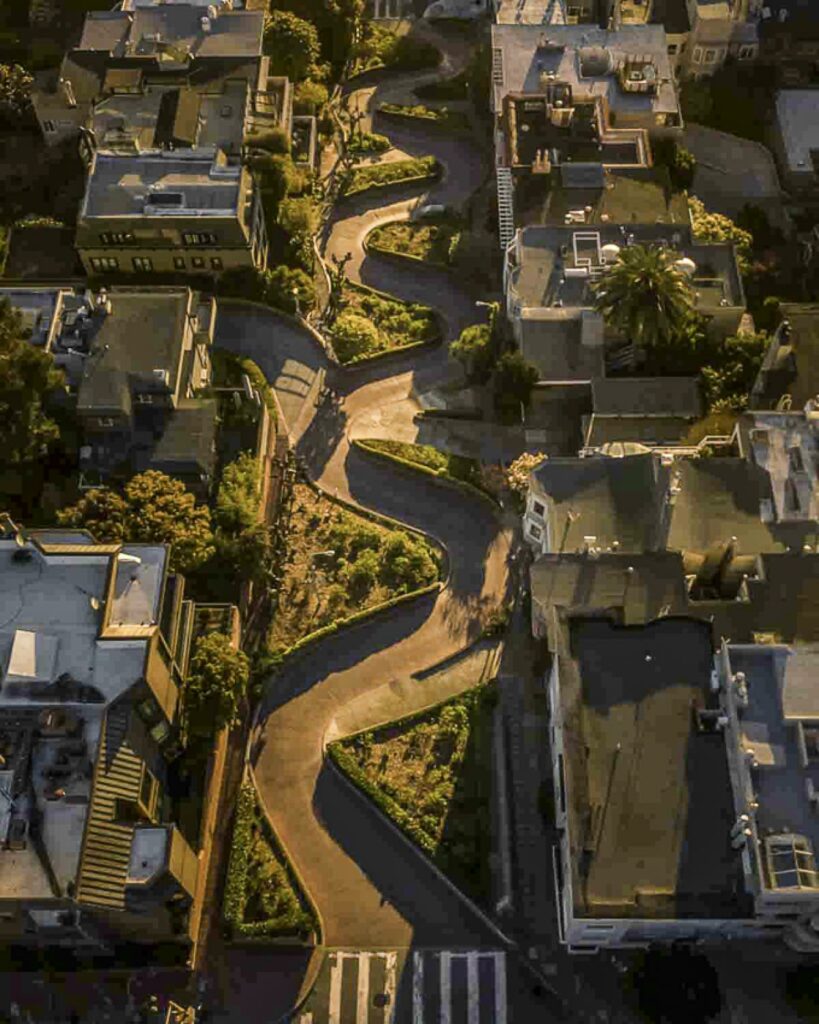
Photography opportunities peak in October. The golden autumn light, clear skies, and comfortable temperatures create ideal conditions for capturing the city’s beauty. Popular photo spots include Twin Peaks views, Golden Gate Bridge vistas, Lombard Street, painted ladies at Alamo Square, and countless architectural details throughout the city.
November Weather in San Francisco
November marks the transition from autumn warmth to winter’s approaching rain season. Average high temperatures drop to 64°F (18°C), with lows around 52°F (11°C). The month starts with October’s pleasant conditions but gradually shifts toward cooler, wetter weather as winter approaches. November offers a transitional experience, early month still feels like autumn’s tail end, while late November introduces winter’s first rain systems and shorter, cooler days.
Temperature
November temperatures show noticeable cooling throughout the month. Early November often extends October’s warmth, with daytime highs in the upper 60s to low 70s°F (19-22°C). These lingering warm days provide last chances to enjoy outdoor activities before winter settles in.
Mid to late November brings more consistent coolness, with daytime highs typically in the low to mid-60s°F (16-18°C). Occasional warm spells still occur, Indian summer days pushing into the 70s°F (21-24°C), but they become less frequent. Cool days in the upper 50s°F (14-15°C) also appear, particularly when rain systems move through.
Nighttime temperatures average around 52°F (11°C), occasionally dipping to 48°F (9°C) or cooler. The nights feel genuinely cool now, requiring warm layers for evening activities. The temperature range between day and night narrows as the month progresses, with overall conditions trending cooler.
The microclimates remain noticeable but less dramatic without summer fog. The Mission District and other sunny areas still run slightly warmer than western neighborhoods, but the difference is less pronounced. Overall, November feels more uniformly cool across the entire city.
Rainfall & Humidity
November marks the beginning of San Francisco’s rainy season, receiving about 3.5 inches (90mm) of precipitation across approximately 8 rainy days. Early November often remains dry, but by mid to late month, substantial rain systems typically arrive.
The rain character changes from summer’s nonexistence to winter’s steady systems. When rain arrives, it can be significant, steady precipitation lasting hours or even days. The first big storms of the season often occur in November, reminding residents that winter has arrived.
Humidity increases to around 75%, creating damper conditions. The air feels heavier, and even non-rainy days have that characteristic San Francisco dampness. After rain, the air smells fresh and clean, and visibility improves dramatically with clear views across the bay.
November’s increasing wetness means planning requires weather awareness. Check forecasts and have indoor alternatives ready when rain arrives. However, plenty of dry days still occur, particularly early in the month, allowing outdoor activities between systems.
Wind & Sunshine
November winds average about 8 mph (13 kph), relatively calm compared to spring and summer. Wind becomes noticeable primarily during storm systems when gusts accompany rain. Between storms, conditions are generally mild with gentle breezes.
Sunshine decreases to about 6.5 hours daily. Overcast days become common, particularly around rain events. The sun’s angle lowers significantly, creating shorter days and different light quality. When sun appears, particularly after rain clears, the light is beautiful, crisp and clear with excellent visibility.
Daylight shrinks noticeably to about 10 hours by month’s end, with sunrise around 7:00 AM and sunset around 5:00 PM. The early darkness feels jarring after summer and autumn’s long days. November’s short daylight means maximizing mid-day hours for outdoor activities and preparing for extended evenings.
What to Pack for November
November packing requires transitional clothing spanning mild and cool conditions. Layers become essential again as temperatures vary and rain arrives. Pack a mix of t-shirts and long-sleeve shirts, warm sweaters or fleeces, and a waterproof jacket for rain protection.
A warm jacket or coat is useful for cooler days and evenings, though you won’t need heavy winter gear yet. The key is versatility, you might experience 70°F (21°C) sunshine early in the month and 55°F (13°C) rain later, so having options helps.
Waterproof footwear becomes important as rain arrives. Boots or waterproof shoes with good traction handle wet streets and San Francisco’s hilly terrain. An umbrella is useful, though a good waterproof jacket with a hood works well given the wind.
Comfortable walking shoes for dry days, warm accessories like scarves for cooler moments, and sunglasses for clear days round out practical packing. November requires preparing for variable conditions rather than consistent patterns.
Things to Do in San Francisco in November
Thanksgiving celebrations make late November special in San Francisco. Many restaurants offer special Thanksgiving menus if you’re not cooking. The city has a festive atmosphere as the holiday season approaches. Thanksgiving week brings local residents home and attracts visitors for the holiday.
Indoor cultural attractions become more appealing as weather cools and rain arrives. San Francisco’s museums, SFMOMA, de Young, California Academy of Sciences, Asian Art Museum, Legion of Honor, Exploratorium, provide excellent rainy day activities. November is a good time to explore indoor attractions without summer crowds.
Theater and performances offer evening entertainment. Broadway shows at the Orpheum, Curran, or Golden Gate Theatre, plus countless smaller theater venues, provide quality productions. The symphony, opera, and ballet continue their seasons. Live music venues throughout the city host concerts year-round.
Restaurant exploration thrives in November. San Francisco’s dining scene operates brilliantly in cooler weather, cozy interiors, warming foods, and excellent wine lists make dining out particularly appealing. November is excellent for trying restaurants you’ve wanted to visit, as reservations become slightly easier than peak summer season.
Wine country trips remain viable in November, particularly early in the month before winter weather fully sets in. Post-harvest season offers quieter tasting rooms, and many wineries release new vintages. The scenery shifts toward autumn colors and winter dormancy, creating different but still beautiful landscapes.
Outdoor activities work best early in the month or on dry days between rain systems. Golden Gate Park walks, neighborhood exploration, and coastal trails remain accessible when weather cooperates. Be flexible and take advantage of nice days when they appear.
Holiday season begins in late November with decorations appearing throughout the city. Union Square starts decorating, holiday markets begin planning, and the festive season energy builds. Late November bridges autumn and the approaching holiday season.
Shopping picks up as holiday season approaches. Union Square’s department stores and boutiques, Hayes Valley shops, Valencia Street in the Mission, and various neighborhood shopping districts all offer browsing opportunities, particularly appealing when rain keeps you indoors.
December Weather in San Francisco
December brings full winter to San Francisco, with the city experiencing its coolest, wettest conditions of the year. Average high temperatures drop to 58°F (14°C), with lows around 47°F (8°C). December means rain, overcast skies, and short days, but it also brings holiday festivities, festive decorations, and a cozy urban winter atmosphere.
While the weather can be challenging, embracing San Francisco’s winter character reveals the city’s resilience and beauty even in its rainiest month.currentresults+2
Temperature
December delivers consistently cool temperatures, with daytime highs typically in the mid to upper 50s°F (13-15°C). Warmer days occasionally reach the low 60s°F (16-17°C), particularly during dry spells between storm systems. However, don’t count on warmth, December is definitively winter.currentresults
Cooler days struggle to reach even 55°F (13°C), particularly during persistent rain or cloudy conditions. The dampness makes temperatures feel colder than thermometer readings suggest, that penetrating San Francisco winter chill that gets into your bones despite relatively mild numbers.
Nighttime temperatures average around 47°F (8°C), occasionally dipping to 43°F (6°C) or cooler. The coldest nights might approach freezing (32°F/0°C) in outlying areas, though downtown rarely sees frost. Still, December nights feel genuinely cold, especially with wind and dampness factored in.currentresults
Temperature variations are less dramatic than warmer months. December feels uniformly cool rather than having warm and cold microclimates, the entire city shares similar winter conditions, though the Mission and other inland areas may run a few degrees warmer than coastal zones.
Rainfall & Humidity
December is San Francisco’s rainiest month, receiving about 4.8 inches (122mm) of precipitation across approximately 12 rainy days. Rain is frequent and can be substantial, expect multiple storm systems moving through, bringing extended periods of steady rain.holiday-weather+2
The rainfall varies significantly year to year depending on weather patterns. El Niño years bring heavier, wetter conditions with December rainfall potentially exceeding 10 inches (250mm). La Niña years produce drier conditions with less rain. On average, however, December delivers persistent wetness that defines San Francisco’s winter.holiday-weather
Humidity reaches about 78%, creating that characteristic damp cold. Everything feels moist, the air, surfaces, clothing. Even on non-rainy days, the humidity persists, maintaining that winter dampness. When rain falls, it’s often steady rather than brief showers, systems can bring hours or days of precipitation.
Between storms, brief dry spells offer respite. When high-pressure systems build in, you’ll experience crisp, clear days with exceptional visibility. These breaks are precious, locals take advantage immediately for outdoor activities before the next system arrives.
Wind & Sunshine
December winds average about 7.5 mph (12 kph), relatively calm except during storm systems. However, when storms arrive, wind gusts can be significant, particularly in exposed locations. Coastal areas and hilltops experience the strongest winds during winter weather.
Sunshine drops to about 5.5 hours daily. Overcast days dominate December, with heavy cloud cover persisting for extended periods. The sun’s low winter angle means even clear days have different light quality, softer, less intense, with long shadows.holiday-weather+2
Daylight reaches its minimum around the winter solstice (December 21), providing only about 9.5 hours of light. Sunrise occurs around 7:20 AM, with sunset around 5:00 PM. The short days feel confining, darkness arrives early afternoon, and mornings start late. December’s limited daylight means maximizing mid-day hours for outdoor activities.
What to Pack for December
December packing requires serious rain and cold weather gear. Waterproof clothing is essential, bring a quality waterproof jacket with a hood, and consider waterproof pants if you plan extended outdoor time. An umbrella is useful, though wind can render it useless during storms.
Warm layers are necessary: sweaters, fleeces, long-sleeve shirts, and thermal underlayers for particularly cold days. A warm coat or jacket handles cool, damp conditions. The key is staying warm and dry, the combination of cool temperatures, rain, and humidity creates penetrating cold.
Waterproof footwear is critical. Bring waterproof boots or shoes with excellent traction for wet, hilly streets. Your feet will get wet without proper footwear, and wet feet make everything miserable. Warm socks help maintain comfort.
Warm accessories, scarves, gloves, warm hats, significantly improve comfort in December’s damp cold. While temperatures don’t approach extreme winter destinations, the dampness makes warmth accessories valuable.
Pack mostly for cool, wet conditions with layers for variable indoor heating. Buildings can be overheated, creating dramatic temperature differences between indoors and outdoors. Layering lets you adapt constantly.
Things to Do in San Francisco in December
Holiday festivities transform San Francisco in December. Union Square features a massive Christmas tree and ice skating rink, quintessential holiday experiences. Holiday lights appear throughout the city, particularly in Union Square, Fisherman’s Wharf, and various neighborhoods. The festive atmosphere partially compensates for challenging weather.
Holiday markets pop up in December. The Great Dickens Christmas Fair (Cow Palace) recreates Victorian London with period costumes, shops, food, and entertainment, running weekends throughout December. Smaller holiday markets in neighborhoods offer shopping and festive atmosphere.
Indoor cultural attractions are perfect for December weather. Museums provide warm, dry exploration, SFMOMA, de Young, California Academy of Sciences, Asian Art Museum, Legion of Honor, and Exploratorium all offer full days of climate-controlled activities. December’s rainy weather makes museum visits particularly appealing.
Theater and performances thrive in December. The Nutcracker ballet performances occur at various venues. Holiday-themed shows appear at theaters throughout the city. Symphony, opera, and theater all offer holiday programs. December entertainment is excellent when you want to escape rain and cold.
Restaurant experiences shine in December’s cold, wet weather. San Francisco’s dining scene excels at cozy, warming meals perfect for winter. Explore neighborhood restaurants, book special holiday meals, or simply enjoy comfort food in warm interiors. Many restaurants offer special holiday menus and decorations.
Holiday shopping fills Union Square, Hayes Valley, Valencia Street in the Mission, and neighborhood shopping districts. December is prime shopping season with holiday sales and festive displays. Indoor shopping provides activities when rain persists.
Brewery and winery visits work well in December. San Francisco has numerous craft breweries offering tasting rooms and tours, warm, dry environments perfect for rainy days. Wine tasting in the city’s wine bars provides similar appeal without driving to wine country in winter weather.
New Year’s Eve celebrations bring parties, fireworks, and events throughout the city. Fisherman’s Wharf hosts fireworks at midnight. Clubs, restaurants, and bars throughout San Francisco offer New Year’s Eve parties. The city celebrates enthusiastically despite winter weather.
Outdoor activities work best during dry breaks between storms. When weather clears, take immediate advantage, walk Golden Gate Park, explore neighborhoods, or enjoy coastal trails while you can. Flexibility is key, be prepared to adjust plans based on current conditions.
Embrace cozy indoor San Francisco. December reveals the city’s intimate side, cozy cafes, atmospheric bars, bookstores, and galleries where locals gather during winter. Experience authentic San Francisco rhythms when tourism is lighter and the city belongs more to residents.
San Francisco Weather Comparison Table
| Month | Avg High | Avg Low | Precipitation | Rainy Days | Humidity | Daylight Hours | Best For |
|---|---|---|---|---|---|---|---|
| January | 57°F (14°C) | 46°F (8°C) | 3.9″ (100mm) | 12 | 79% | 10 hrs | Museums, indoor culture, cozy dining |
| February | 61°F (16°C) | 48°F (9°C) | 3.7″ (95mm) | 11 | 76% | 11 hrs | Lunar New Year, galleries, restaurants |
| March | 64°F (18°C) | 50°F (10°C) | 2.6″ (65mm) | 11 | 74% | 12 hrs | Spring blooms, transitional activities |
| April | 66°F (19°C) | 51°F (11°C) | 1.6″ (40mm) | 7 | 70% | 13 hrs | Cherry blossoms, outdoor dining |
| May | 68°F (20°C) | 53°F (12°C) | 0.5″ (12mm) | 5 | 70% | 14 hrs | Parks, walking tours, outdoor activities |
| June | 70°F (22°C) | 54°F (12°C) | 0.14″ (4mm) | 2 | 69% | 15 hrs | Pride, fog experience, microclimates |
| July | 67°F (20°C) | 54°F (12°C) | 0.04″ (1mm) | 1 | 73% | 14.5 hrs | Peak fog, indoor culture, wine country |
| August | 69°F (21°C) | 56°F (13°C) | 0.08″ (2mm) | 1 | 73% | 14 hrs | Festivals, museums, embrace the fog |
| September | 72°F (22°C) | 58°F (14°C) | 0.31″ (8mm) | 2 | 70% | 12.5 hrs | Best overall weather, outdoor everything |
| October | 73°F (21°C) | 57°F (14°C) | 1.2″ (30mm) | 5 | 72% | 11 hrs | Warm days, Fleet Week, beaches |
| November | 64°F (18°C) | 52°F (11°C) | 3.5″ (90mm) | 8 | 75% | 10 hrs | Thanksgiving, holiday prep, indoor activities |
| December | 58°F (14°C) | 47°F (8°C) | 4.8″ (122mm) | 12 | 78% | 9.5 hrs | Holiday festivities, cozy winter experiences |
